
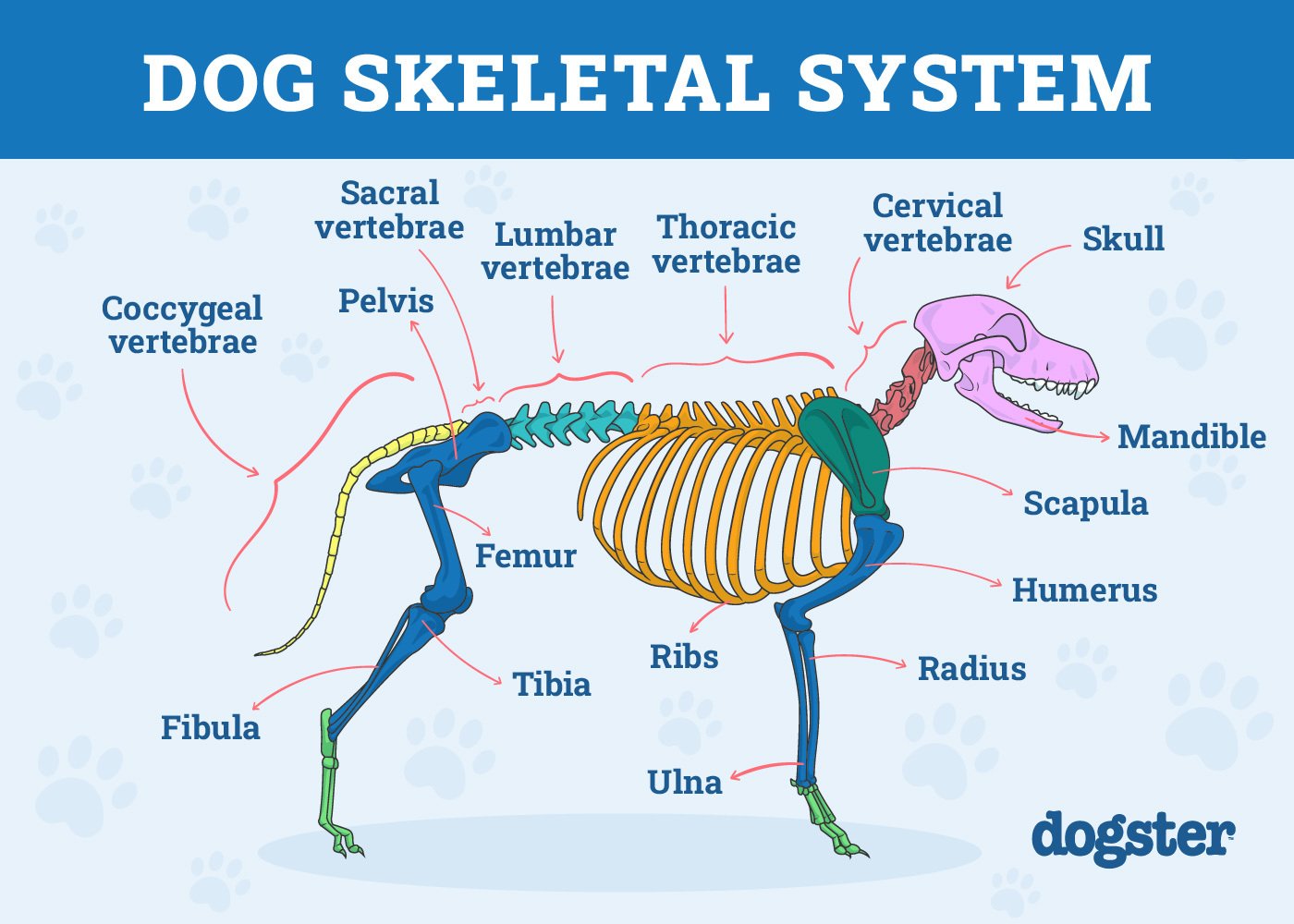
A dog’s tail is a flexible extension of the spine made of bones, muscles, nerves, and tissues.
Dog tail anatomy is more complex than many owners realize. A wagging tail is not just a sign of happiness. It is a carefully controlled body part connected to the spine and powered by several muscles, nerves, and small bones.
From working dogs on farms to family pets in American homes, tails play an important role in balance and communication. Understanding how a dog’s tail works can help owners recognize normal behavior and spot possible health problems early.
What Is Dog Tail Anatomy and How Does a Dog Tail Work?
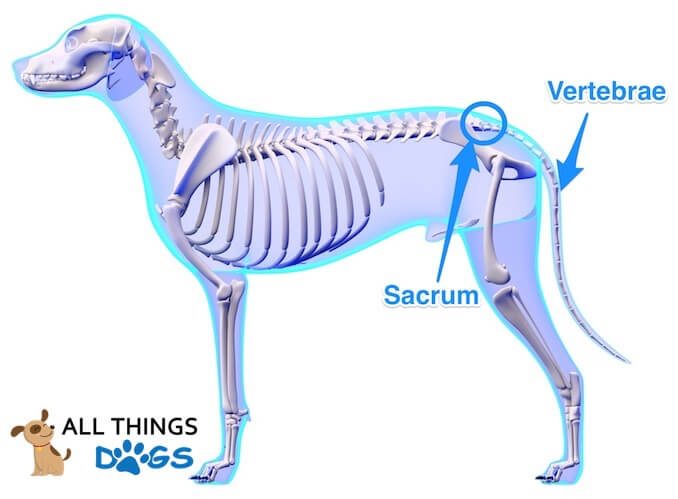
Dog tail anatomy refers to the structure and function of the canine tail. A dog’s tail is a continuation of the spinal column and starts at the base of the spine near the pelvis.
The tail works through a combination of bones, muscles, nerves, and ligaments. These parts work together to create movements such as wagging, lifting, curling, and relaxing.
- ✦ Spinal connection
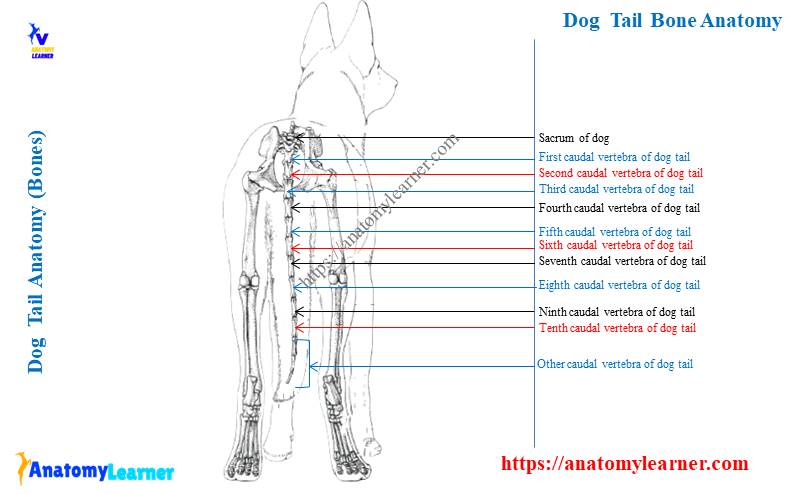
The tail connects directly to the sacral region of the spine and contains a series of small tail vertebrae called caudal vertebrae.
- ✦ Movement control
Tail muscles allow dogs to move their tails in different directions and positions.
- ✦ Communication role
Dogs use tail positions and movements to express emotions and social signals.
Why the Tail Is Considered Part of the Spine
The tail is not a separate attachment. It is an extension of the vertebral column. Each small vertebra provides structure while allowing flexibility.
Because the tail connects with the spine, injuries near the tail base can sometimes affect nerves and movement.
The Bones Inside a Dog Tail
The main support system in dog tail anatomy comes from small bones called caudal vertebrae. The number of these bones varies between individual dogs and breeds.
Large breeds often have longer tails with more visible sections, while breeds with short or naturally bobbed tails have fewer tail vertebrae or different tail structures.

- ✦ Caudal vertebrae
These small bones create the tail’s framework and allow controlled movement.
- ✦ Tail base bones
The first tail vertebrae near the pelvis are larger and provide stronger support.
- ✦ Flexible structure
The gradual decrease in vertebra size allows the tail to move smoothly from base to tip.
Do Dogs Have Bones in Their Tails?
Yes. Dogs have bones in their tails. These bones are smaller versions of the vertebrae found in the spine.
The bones are protected by muscles, skin, fur, and connective tissues that help prevent damage during normal movement.
Muscles and Soft Tissues That Control the Tail
Muscles are a major part of dog tail anatomy because they create the movements owners see every day. Several small muscles attach around the tail vertebrae.
These muscles allow dogs to raise their tails, tuck them between their legs, move them side to side, and hold different positions.
- ✦ Tail elevator muscles
These muscles help lift the tail upward and maintain alert positions.
- ✦ Tail depressor muscles
These muscles help lower the tail when a dog relaxes or feels uncertain.
- ✦ Side movement muscles
These muscles create the left and right movement seen during wagging.
The Role of Ligaments and Connective Tissue
Ligaments and connective tissues provide stability around the tail joints. They help control movement and protect the small bones during activity.
Healthy connective tissue allows smooth movement during running, playing, and changing direction.
Nerves and Blood Supply in Dog Tail Anatomy
The tail contains important nerves that control movement and provide sensation. These nerves connect with the spinal cord and help dogs feel touch and pain in their tails.
Blood vessels also supply oxygen and nutrients to the tail tissues. Good blood flow supports healing and normal function.
- ✦ Nerve signals
Nerves send messages between the brain, spinal cord, and tail muscles.
- ✦ Pain detection
Dogs can feel injuries, pressure, and discomfort in their tails.
- ✦ Healthy circulation
Blood supply helps maintain skin, muscles, and other tail tissues.
How Dogs Use Their Tails for Balance and Communication
A dog’s tail has both physical and social functions. During movement, the tail acts like a counterbalance that helps dogs adjust their body position.
Dogs also use their tails as a communication tool. Tail height, speed, and direction can provide clues about their emotional state.

- ✦ Balance while moving
The tail helps dogs stabilize their bodies during running, jumping, and quick turns.
- ✦ Social signals
Tail movements help dogs communicate with people and other animals.
- ✦ Breed differences
Different breeds have unique tail shapes and natural movement patterns.
Understanding Different Tail Positions
A relaxed tail often hangs naturally, while a raised tail may show alertness or confidence. A tucked tail can signal fear, stress, or discomfort.
Owners should consider the entire body, including ears, posture, and facial expression, instead of judging emotion from the tail alone.
Common Dog Tail Problems and Injuries
Because the tail is active and exposed, dogs can experience several tail-related problems. Injuries may happen from accidents, excessive wagging, rough play, or underlying health issues.
Knowing basic dog tail anatomy helps owners understand when a change is minor and when veterinary care may be needed.

- ✦ Happy tail injury
Repeated hard wagging against walls or furniture can cause cuts and bleeding at the tail tip.
- ✦ Limber tail syndrome
This condition can cause a sudden limp tail and discomfort, often after intense activity.
- ✦ Fractures
A broken tail bone may cause swelling, pain, or unusual positioning.
- ✦ Skin problems
Parasites, allergies, and infections can affect tail skin and fur.
Signs Your Dog May Have a Tail Injury
Watch for changes such as constant licking, swelling, sensitivity, unusual tail position, or avoiding movement.
A veterinarian can examine the tail structure and determine whether bones, muscles, or nerves are affected.
How to Keep Your Dog’s Tail Healthy
Good daily care supports healthy dog tail anatomy. Regular grooming, safe play areas, and routine health checks help prevent many common issues.
American dog owners can protect their pets by checking the tail during grooming sessions and noticing small changes early.
- ✦ Check the tail regularly
Look for wounds, swelling, hair loss, or signs of discomfort.
- ✦ Avoid rough handling
Never pull, twist, or force a dog’s tail into a position.
- ✦ Maintain overall health
A balanced diet and proper exercise support muscles and joints throughout the body.
