
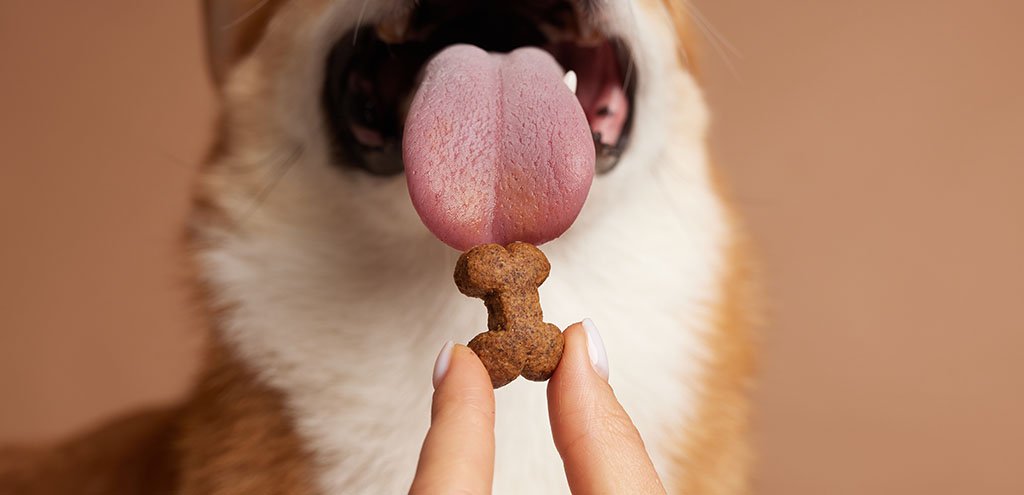
Many American dog owners notice that their pets can ignore one food bowl and become excited about another. This behavior is not random. Dog taste perception, combined with smell, texture, and past experiences, shapes how dogs respond to food.
While researching canine senses, I have found that many people compare dogs with humans too closely. Dogs do taste their meals, but they experience flavor in a different way. Their powerful nose often adds the strongest part of the eating experience.
How Dog Taste Perception Works
Dog taste perception begins when food touches taste receptors on the tongue. These receptors send signals to the brain and help dogs identify whether something is safe, enjoyable, or unpleasant.
Dogs have fewer taste buds than humans, but their taste system still helps them make important choices. Taste works together with smell, touch, and instinct to create a complete food experience.

- ✦ Taste receptors
Taste receptors detect chemical compounds in food and help dogs recognize different flavor types.
- ✦ Brain response
The brain combines taste signals with smell and memories to influence food preference.
The Role of Taste Buds
Dogs have thousands of taste buds, which are enough to detect important flavor differences. These taste cells help them recognize nutrients and avoid some harmful substances.
A dog’s tongue is designed mainly for survival and eating efficiency. Taste is important, but it is only one part of the feeding process.
What Flavors Can Dogs Taste?
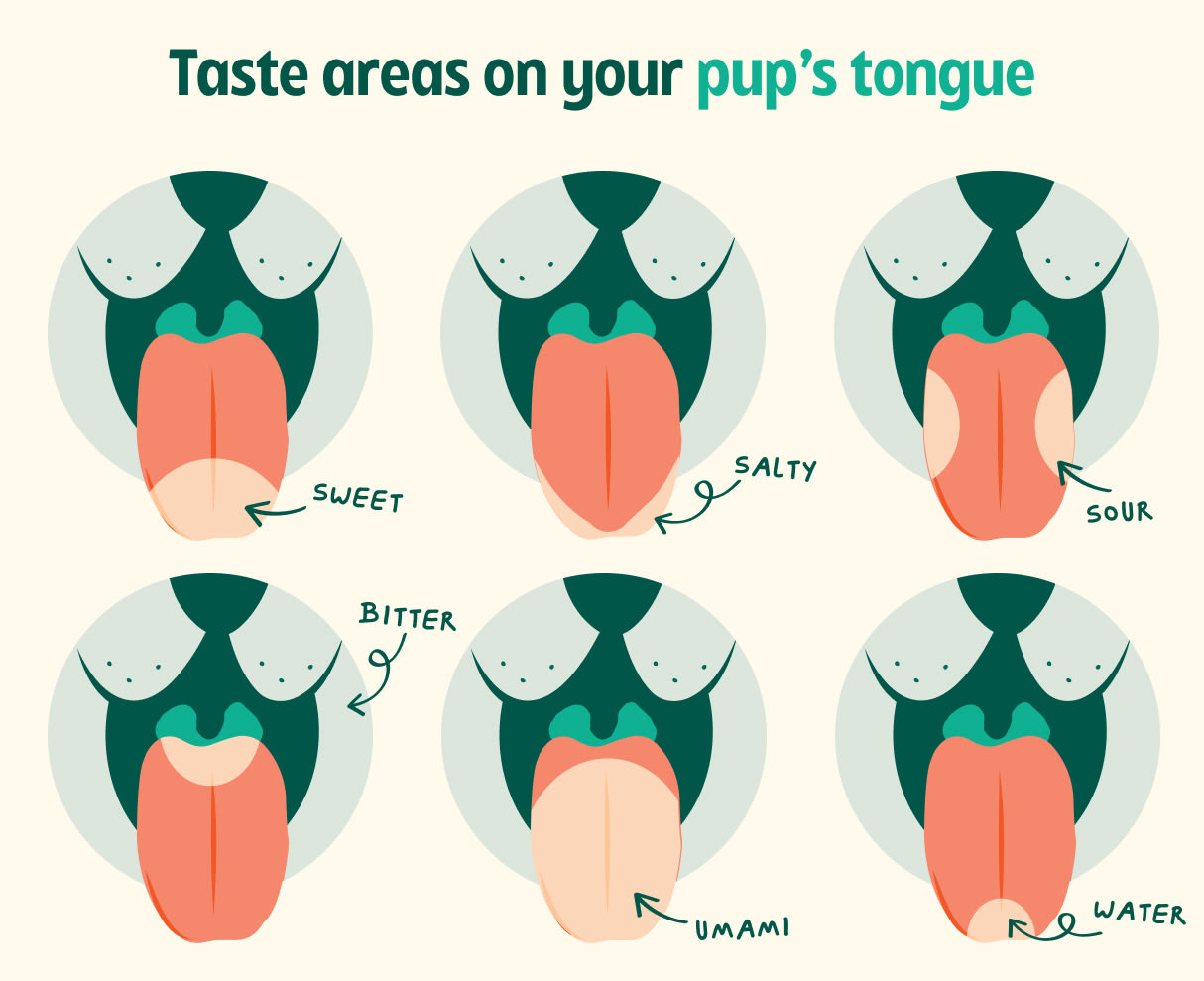
Dog taste perception includes several basic flavor categories. Dogs can detect sweet, salty, sour, bitter, and savory flavors through specialized receptors.
These flavor abilities help dogs evaluate food. For example, sweetness may attract dogs because many natural foods contain carbohydrates, while bitterness may warn them about unwanted substances.

- ✦ Sweet taste
Dogs can detect sweet flavors and may enjoy foods with natural sugars, such as some fruits.
- ✦ Savory taste
Savory flavors from proteins and amino acids often attract dogs because they relate to meat-based foods.
- ✦ Bitter taste
Bitter flavors can help dogs avoid certain harmful materials.
Why Smell Matters More Than Taste for Dogs
Dog taste perception cannot be fully understood without discussing smell. A dog’s nose provides much of the information it uses when deciding whether food looks appealing.
When dogs eat, aroma travels from the mouth toward smell receptors. This process creates a richer flavor experience than taste alone can provide.

- ✦ Food attraction
Strong aromas often make food more interesting to dogs than flavor alone.
- ✦ Flavor recognition
Smell helps dogs identify food sources and remember previous experiences.
Taste and Smell Working Together
A dog may refuse food because of a changed smell even when the ingredients are similar. This shows that aroma has a major effect on canine eating behavior.
How Dog Taste Perception Affects Food Choices
Many owners wonder why their dogs love certain treats but ignore others. Dog taste perception is one factor, but habits, training, health, and food texture also influence choices.
A puppy may accept many foods during early life, while an older dog may become more selective. Changes in appetite can sometimes provide clues about dental problems or health issues.

- ✦ Texture preference
Some dogs prefer crunchy foods, while others enjoy softer meals because of mouthfeel.
- ✦ Past experience
Dogs often remember foods connected with positive or negative experiences.
Can Dogs Taste Human Foods?
Dogs can taste many foods that humans eat, but that does not mean every human food is safe. Dog taste perception may encourage curiosity, but safety should guide feeding choices.
Pet owners in the United States often share small food portions with dogs. It is important to check ingredients before offering new foods.
- ✦ Safe choices
Plain foods approved by veterinarians may be acceptable treats for many dogs.
- ✦ Avoid harmful foods
Some common foods can be dangerous for dogs even if they taste appealing.
