
Many dog owners notice whiskers around their dog’s nose and wonder why they exist. These stiff hairs are not just ordinary fur. The dog whisker function is linked to a special sensory system that helps dogs gather information about the world around them.
From my experience studying canine behavior and pet care topics, I have seen many owners focus on eyes, ears, and noses while overlooking whiskers. In daily life, especially for dogs exploring homes, yards, and outdoor areas across the United States, whiskers provide an extra layer of awareness.
What Is the Dog Whisker Function?
The dog whisker function begins with touch sensing. Whiskers, also called vibrissae, are thicker hairs connected to deep nerve endings in the skin. They send signals to the brain when they move or touch nearby objects.
Unlike normal body hair, whiskers have a stronger connection to the nervous system. They help dogs notice changes around their face without needing direct contact with an object.
- ✦ Touch detection
Whiskers detect small movements, vibrations, and changes in airflow around a dog’s face.
- ✦ Environmental awareness
Whiskers help dogs understand nearby spaces, objects, and possible obstacles.
Why Are Dog Whiskers Different From Fur?
Regular fur mainly provides warmth and protection. Whiskers serve a sensory role and grow from areas with many nerve connections.
A dog can feel tiny changes through whisker movement. This makes whiskers an important part of a dog’s natural perception system.
How Dog Whiskers Help With Navigation and Safety
One major dog whisker function is helping dogs move safely through their environment. Whiskers can detect nearby surfaces before a dog’s face touches them.
This ability helps dogs judge spaces, avoid obstacles, and move with more confidence. It is useful for dogs walking in dark rooms, narrow areas, or unfamiliar places.

- ✦ Space awareness
Whiskers help dogs understand whether openings and spaces are safe to enter.
- ✦ Face protection
Whiskers can warn dogs about objects that may come close to sensitive areas like the eyes and nose.
Whiskers and Night Movement
Dogs do not rely only on vision when moving around. Their smell, hearing, and whiskers work together to create a complete picture of their surroundings.
This combined sensory ability helps dogs explore safely during evening walks or low-light situations.
The Role of Whiskers in Dog Communication
Another important dog whisker function is communication. Dogs can change whisker position based on their mood, attention, and reactions.
Whisker movement alone does not tell the full emotional story, but it can add useful information when combined with body language, ears, tail movement, and facial expressions.

- ✦ Alert behavior
Forward-facing whiskers may appear when a dog focuses on something interesting.
- ✦ Relaxed state
Whiskers usually rest naturally when a dog feels calm and comfortable.
Types of Dog Whiskers and Their Locations
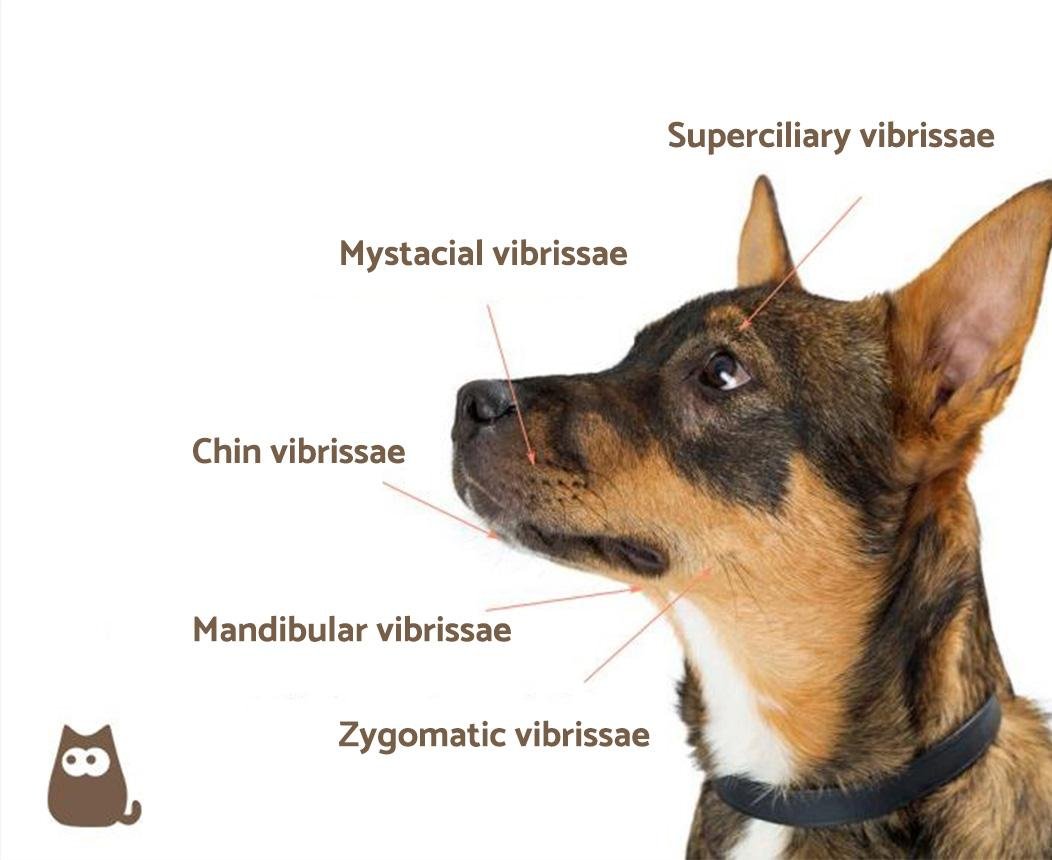
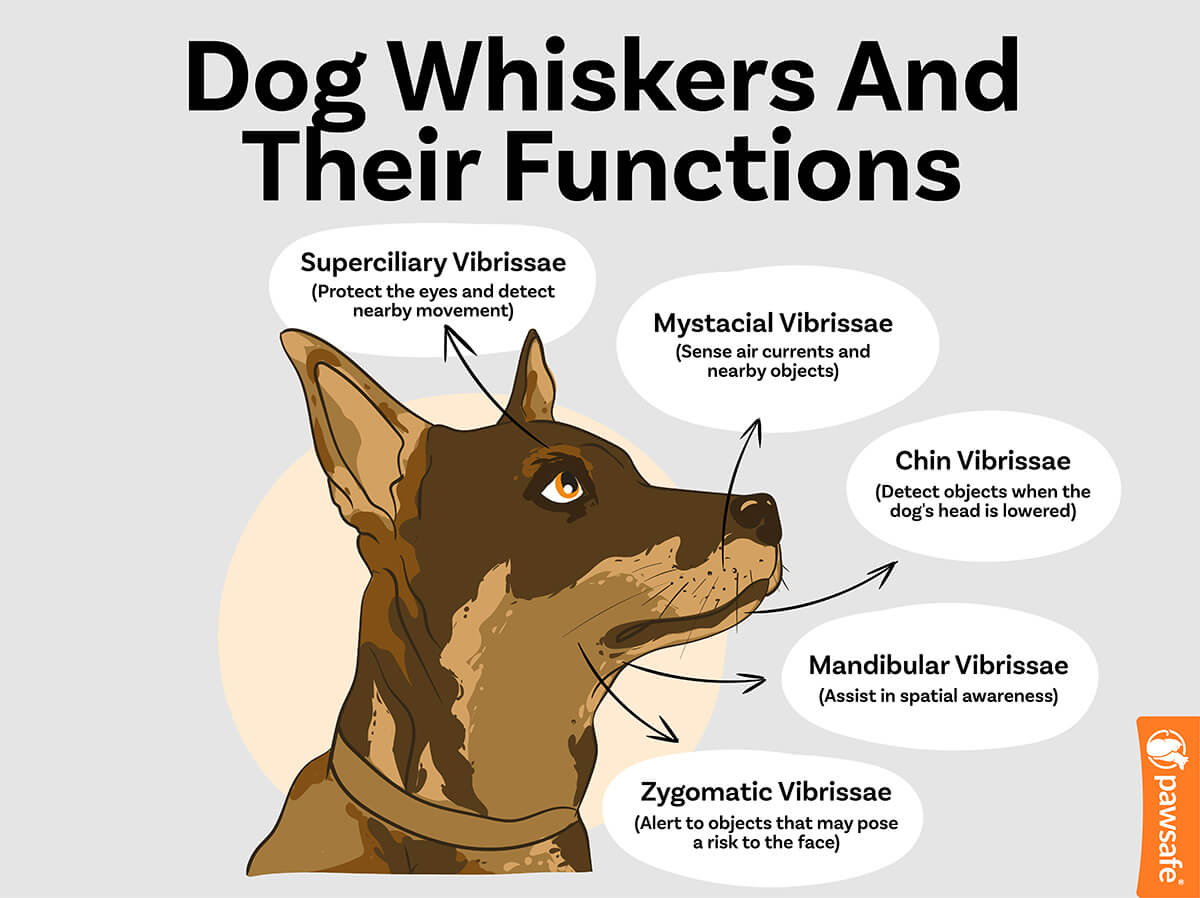
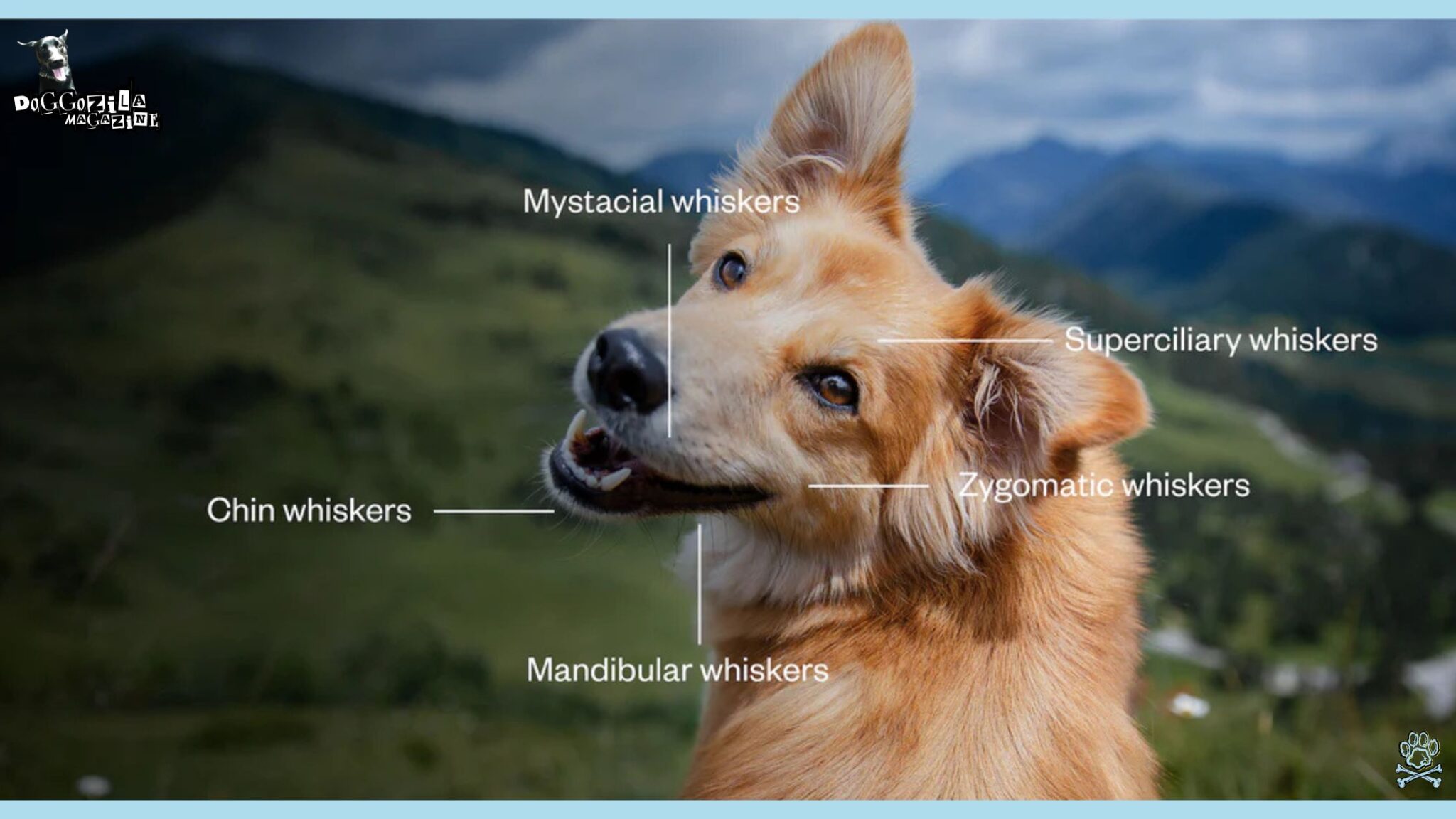
Dogs have whiskers in several areas of the face. Each group supports the dog whisker function by collecting different types of sensory information.
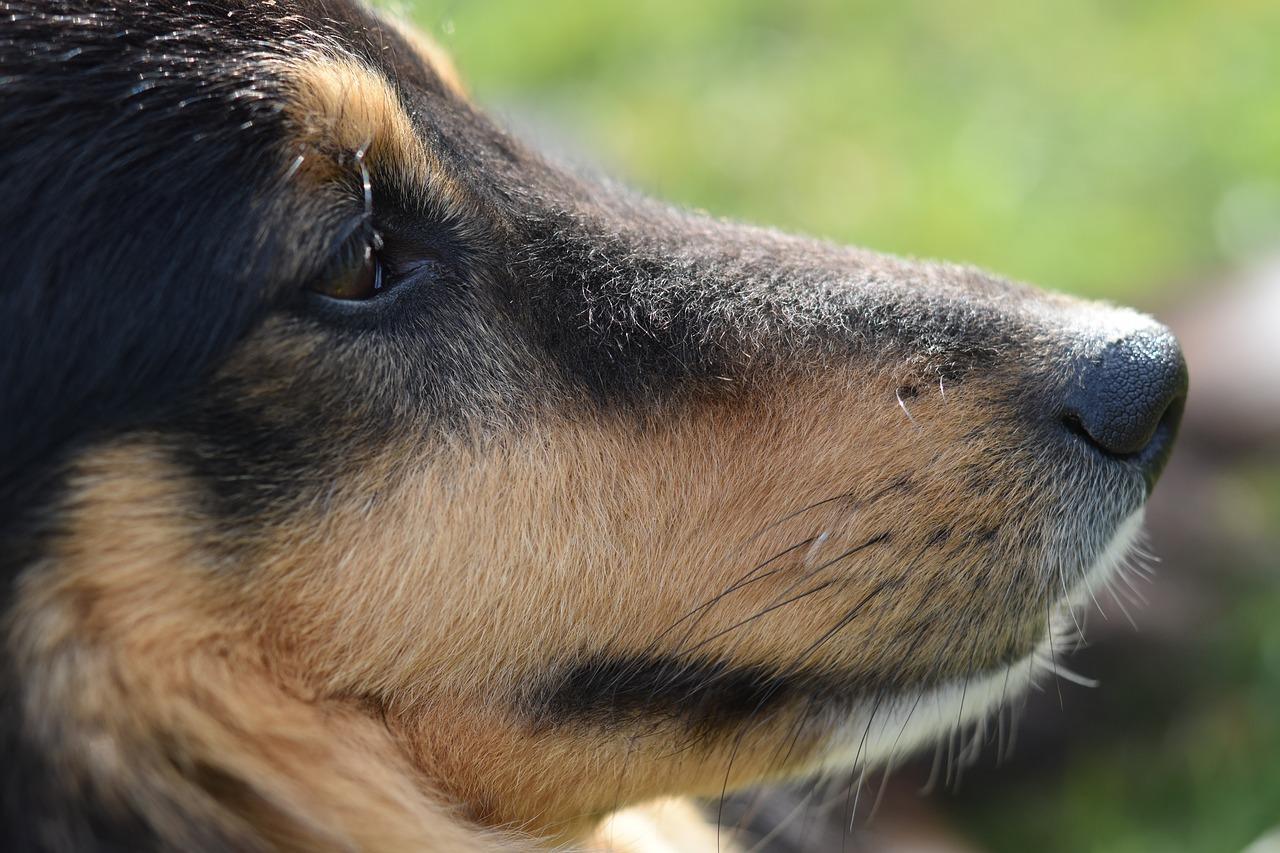
The most noticeable whiskers grow around the muzzle, but dogs also have whiskers above the eyes and near the cheeks.

- ✦ Mystacial whiskers
These are the main whiskers around the muzzle and help dogs sense objects near their nose.
- ✦ Supraorbital whiskers
These whiskers above the eyes help protect the eye area from nearby objects.
- ✦ Zygomatic whiskers
These cheek whiskers provide extra information about nearby movement and space.
Should You Cut a Dog’s Whiskers?
Many grooming salons focus on creating a neat appearance, but removing whiskers is usually not needed. Since whiskers support important sensory tasks, keeping them intact allows dogs to use their natural tools.
If a whisker falls out naturally, there is no need to worry. Dogs regularly replace whiskers as part of their normal growth cycle.
- ✦ Avoid unnecessary trimming
Do not cut whiskers simply for appearance unless a veterinarian recommends it for a specific reason.
- ✦ Monitor changes
Sudden loss of many whiskers may be worth discussing with a veterinarian.
Do Dog Whiskers Grow Back?
Yes, dog whiskers can grow back after falling out or being trimmed. The growth process may take time because whiskers grow differently from normal hair.
During regrowth, dogs may still rely on their other senses, including smell, hearing, and vision.
