
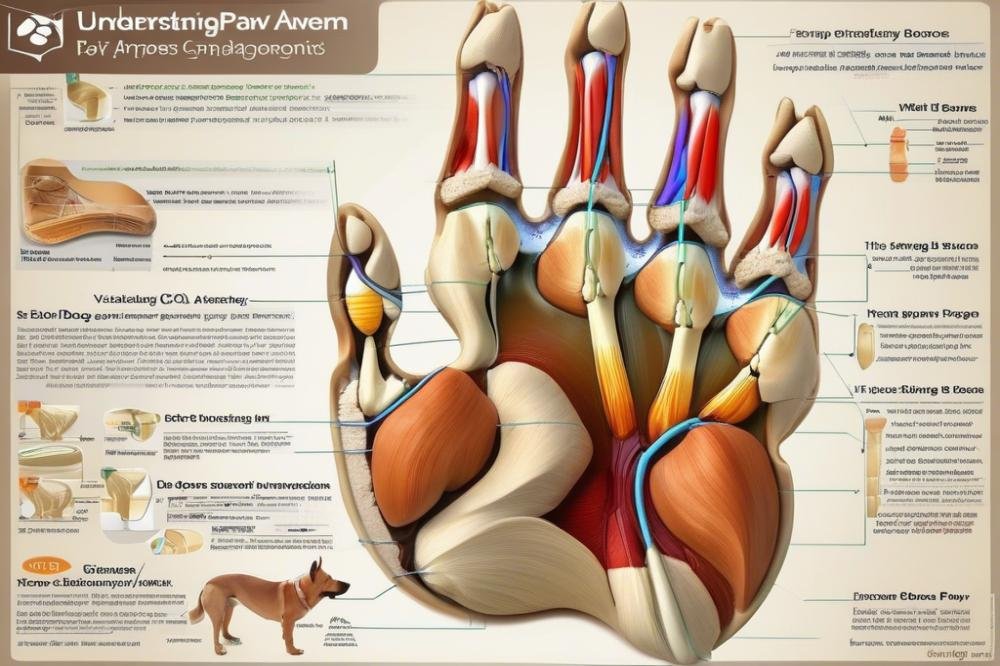
A dog’s paws do much more than support walking and running. The paws act as a sensory tool that helps dogs collect information about the world around them. Every step sends signals through nerves in the paw pads and toes to the brain.
From my experience studying canine behavior and pet care topics, many owners focus on a dog’s nose and ears but overlook the paws. In daily life across the United States, dogs walk on grass, sidewalks, hot pavement, snow, and indoor floors. Their paws help them adjust to these different surfaces.
Understanding dog paw sensory function helps owners notice problems early. Changes in walking, paw licking, or avoiding certain surfaces can sometimes point to discomfort or reduced paw sensitivity.

How dog paw sensory function works
Dog paw sensory function begins with a network of nerves inside the paw pads, toes, and surrounding tissues. These nerves detect changes in the environment and send messages to the brain.
Dogs use these signals to understand where their feet are placed. This ability is called body awareness or proprioception. It helps a dog walk, jump, climb, and keep balance.
The paw is not just a protective covering. It is an active sensory area that provides important information during movement.

- ✦ Touch detection
Sensitive nerve endings help dogs feel contact with objects, surfaces, and small changes under their feet.
- ✦ Pressure awareness
Pressure sensors help dogs know how much force they place on each paw while standing or moving.
- ✦ Surface feedback
Dogs can notice differences between grass, carpet, concrete, and other surfaces through their paws.
The role of paw pads and nerves
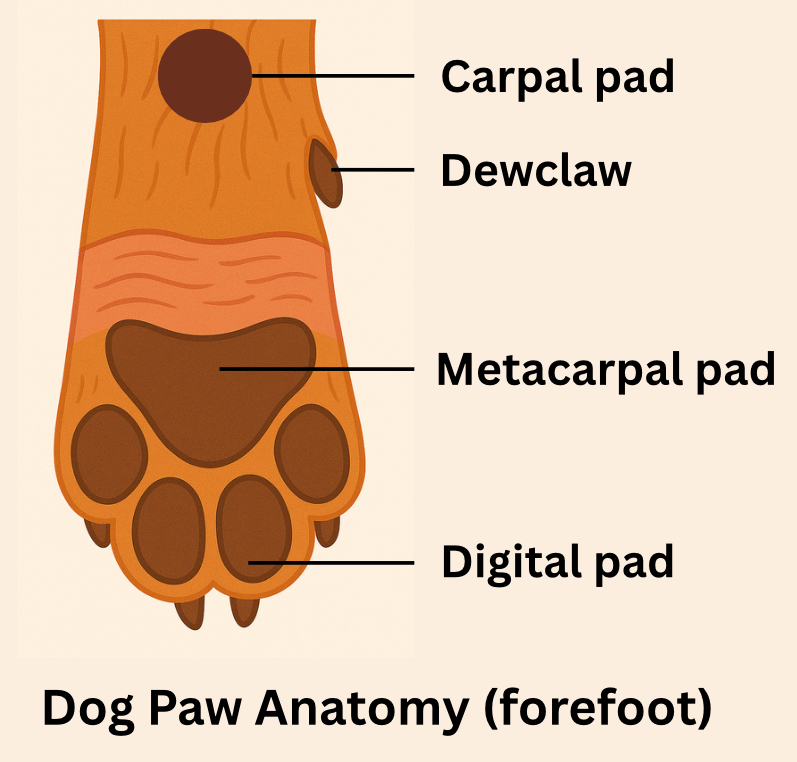
Paw pads contain thick skin layers that protect internal structures while still allowing sensory feedback. The combination of protection and sensitivity makes the paw useful for daily movement.
The digital pads under each toe and the larger central pad help absorb impact. They also provide information about grip and surface conditions.
- ✦ Impact control
Pads reduce stress on joints by absorbing force during walking and running.
What information do dogs receive through their paws?
Dog paw sensory function allows dogs to gather information from the ground beneath them. This information helps them react quickly and move with confidence.
A dog walking outside may feel small changes in texture, temperature, and pressure. These signals help the dog decide how to place each step.
Paw sensation also supports natural behaviors such as digging, exploring, and playing.

- ✦ Temperature changes
Dogs can sense changes in surface temperature, although their paws do not make them immune to heat or cold injuries.
- ✦ Texture changes
Different ground surfaces create different sensory signals that help dogs adapt their movement.
- ✦ Balance signals
Paw feedback works with muscles and joints to maintain body control.
Why healthy paws are important for sensory ability
Healthy paws allow dogs to receive accurate sensory information. Cuts, burns, cracks, or infections can affect how a dog feels the ground.
Many American dog owners walk their pets on sidewalks and roads where surfaces can become very hot in summer. Checking paws after walks is a simple way to protect sensory health.
Good paw care does not remove natural sensitivity. Instead, it protects the structures that allow dog paw sensory function to work properly.
- ✦ Check paws after outdoor activity
Look for injuries, swelling, stuck objects, or unusual licking after walks.
- ✦ Keep nails trimmed
Long nails can change walking patterns and affect normal paw feedback.
- ✦ Protect against extreme weather
Hot pavement, ice, and chemicals can damage sensitive paw tissues.
Signs of possible paw sensory problems
A dog with paw discomfort may avoid walking, limp, shake a paw, or react when the paw is touched. These signs can have many causes and should be checked by a veterinarian if they continue.
Changes in movement may also affect how dogs explore their environment because their normal sensory signals become different.
- ✦ Behavior changes
A dog may avoid certain floors or activities because of discomfort.
How dog paws support movement and exploration
Movement depends on a close connection between the paws, muscles, joints, and nervous system. Dog paw sensory function helps dogs make quick adjustments while walking or running.
A dog chasing a ball, hiking a trail, or climbing stairs uses constant paw feedback. The brain uses this information to control position and balance.
This sensory system is especially important for active dogs that spend time outdoors.
- ✦ Walking control
Paw signals help dogs place their feet correctly with each step.
- ✦ Athletic movement
Dogs rely on paw feedback during running, jumping, and turning.
