
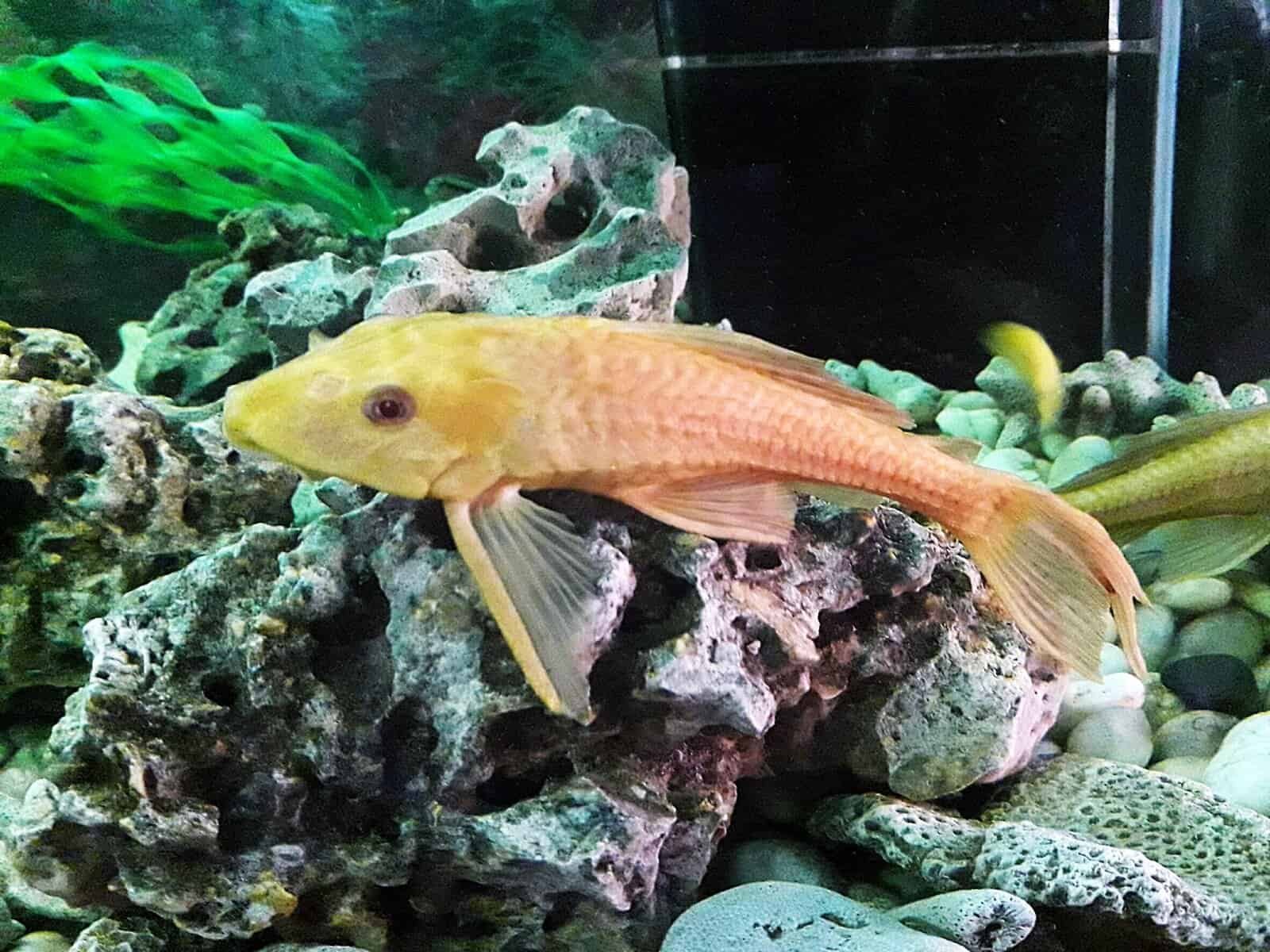
Fish rubbing objects usually means fish are itching, grazing, or removing parasites by rubbing surfaces.
I have studied aquarium behavior and kept tanks for years, so I can explain why fish rubbing objects happens and what it means for your tank. This article breaks down causes, safe surfaces, diagnosis steps, and treatments for fish rubbing objects, with clear examples from my own experience and practical tips you can use today. Read on to learn how to spot trouble, pick safe objects for rubbing, and keep your fish healthy and comfortable.
What "fish rubbing objects" means and why it matters
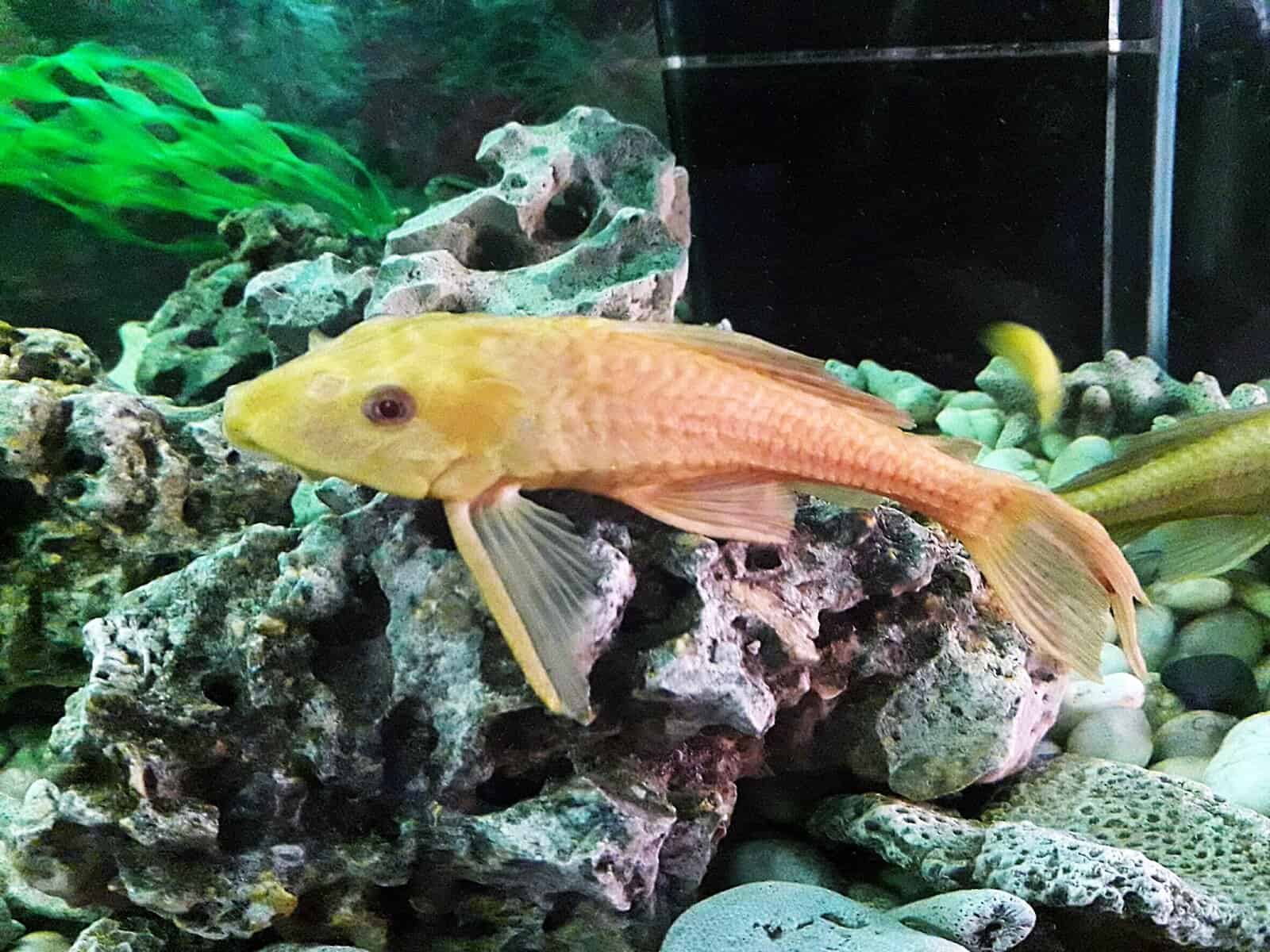
Fish rubbing objects describes fish pressing or scraping their bodies against hard or textured surfaces in the tank. The behavior ranges from gentle grazing to violent flashing. Fish rubbing objects can be normal. It can also signal stress, parasites, poor water, or spawning habits. Understanding the cause helps you act quickly and protect your fish.

Common causes of fish rubbing objects
Fish rub for many reasons. Knowing these helps you respond correctly.
- Parasites and skin irritants. External parasites like ich or flukes make fish itch, so they rub surfaces to try to remove them.
- Poor water quality. High ammonia, nitrite, or sudden pH shifts cause skin irritation and gasping. Fish rubbing objects is a sign to test water.
- Natural grazing and feeding. Algae grazers and plecos naturally rasp on surfaces to eat biofilm and wood. This is a healthy form of rubbing objects.
- Spawning and territorial behavior. Some species rub to ready their skin for breeding or to mark territory.
- Injury or irritation. Fin or scale damage from tankmates or décor can lead to rubbing to soothe a wound.
I’ve seen plecos rasp driftwood daily, which is normal. I’ve also seen tetra flashing against rocks. When that happened, water tests showed elevated nitrite and helped me fix the problem fast.
:strip_icc()/20160715_123159-b3ee31b97fd74ec49fa2f86f02ec9eb6.jpg)
How to observe and diagnose the behavior
Watch patterns and gather data. Short, occasional rubbing often has a natural cause. Repeated, frantic rubbing needs urgent attention.
- Note frequency and timing. Is the rubbing constant, or only after feeding or lights-on?
- Inspect the fish. Look for white spots, redness, missing scales, or clamped fins. These signs point to parasites or injury.
- Test water. Check ammonia, nitrite, nitrate, pH, and temperature. Abnormal values often cause rubbing behavior.
- Isolate variables. Remove new décor or recently added fish. Quarantine new arrivals to rule out introduced parasites.
PAA-style questions:
- Why does my fish rub on rocks after I changed the water? Small water changes can shift chemistry or temperature. Fish may rub until conditions stabilize.
- Can algae-eating fish damage themselves by rubbing? Usually they are adapted to rasping, but sharp or rough items can cause injury.

Safe objects to allow fish rubbing objects and materials to avoid
Choose décor that supports natural rubbing while minimizing harm.
Safe objects:
- Smooth slate or aquarium-safe rock for catfish and cichlids to rub.
- Driftwood for plecos and wood-eating catfish; it also supports beneficial biofilm.
- Ceramic caves and smooth terracotta for shy species to rub against and hide.
- Live plants with broad leaves for gentle grazing and rubbing.
Objects to avoid:
- Sharp or jagged rocks that can cut scales and fins.
- Treated or painted décor that may leach toxins.
- Coarse ropes or rough fabrics that can snag fins or scales.
- Metal decorations that can corrode and alter water chemistry.
When I replaced a decorative rock with a smooth slate, an angelfish stopped rubbing and healed faster. Simple swaps often solve issues.

Treatments and interventions when rubbing signals illness
If rubbing points to disease, act fast but carefully.
- Quarantine affected fish. This stops spread and lets you treat in a controlled tank.
- Improve water quality promptly. Do partial water changes and correct parameters. Many irritation-driven rubs stop after water improves.
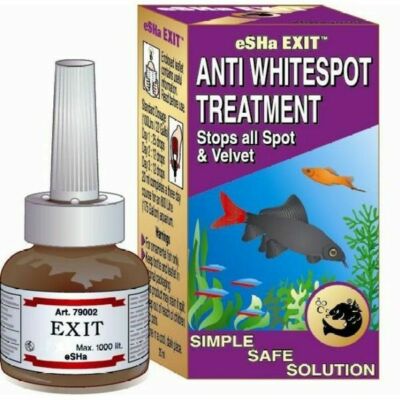
- Treat parasites as indicated. Salt baths, temperature adjustments, and common anti-parasitic medications help, but always follow product directions. Consult an aquatic vet for severe cases.
- Provide gentle surfaces. Temporarily add smooth décor so fish have safe places to rub without cutting themselves.
Note limitations: Some medications alter biofilter bacteria or harm plants. Always research treatments and monitor chemistry during medication.

Preventive care and tank setup to reduce harmful rubbing
Prevention is often easier than treatment. Good setup reduces fish rubbing objects that indicate problems.
- Maintain stable water parameters. Test weekly and keep ammonia and nitrite at zero.
- Quarantine new fish and décor for two weeks. This stops most introductions of parasites.
- Choose tankmates carefully. Aggressive nibblers can injure others, causing rubbing behavior.
- Use appropriate décor for species. Provide driftwood for plecos and smooth caves for shy fish.
- Keep a feeding routine. Malnourished fish may graze excessively and rub more.
Over the years I learned that a steady routine plus proper décor cuts nearly all shock-related rubbing events in community tanks.

Personal experience, lessons, and practical tips
I once had neon tetras rubbing against a heater after an unnoticed heater failure raised the tank temperature. I caught it early because I watch daily. Quick water changes and a slow temperature correction stopped the behavior.
Lessons I learned:
- Watch fish daily for small behavior changes. They tell you problems early.
- Avoid quick fixes that stress the tank. Gradual corrections are safer.
- Keep simple, smooth décor that supports feeding and rubbing without risk.
Practical tips:
- Keep a spare quarantine tank ready. It saves lives.
- Record water tests for trends; patterns reveal causes faster.
- Use driftwood and smooth slate as default rubbing objects to support most species.

Signs that rubbing objects behavior is normal versus dangerous
Use clear signs to decide if rubbing is typical grazing or a warning.
Normal rubbing signs:
- Short, repeated rasping by algae eaters. Fish looks alert and eats well.
- Rubbing linked to spawning or mating behavior. No visible sores or lethargy.
- Behavior happens in specific areas like driftwood or algae-covered rock.
Dangerous rubbing signs:
- Violent flashing with rapid darting and rubbing against multiple objects.
- Visible wounds, white spots, clamped fins, or heavy mucus.
- Loss of appetite, gasping at the surface, or lethargy.
If you see dangerous signs, test water and act fast. Quarantine and treat if needed.
When to call a professional
You should seek an aquatic vet or experienced hobbyist when:
- Multiple fish show severe rubbing and visible disease signs.
- Treatments fail after recommended courses.
- You suspect a toxicant or mass die-off may follow.
Professionals help with diagnosis, advanced treatment, and tailored plans. It’s worth the call if you risk losing stock or breeding fish.
Frequently Asked Questions of fish rubbing objects
Why do fish rub objects in my aquarium?
Fish rub objects to remove irritants, eat biofilm, or as part of breeding behavior. It can indicate normal grazing or signal parasites and poor water.
Can rubbing objects permanently harm fish?
Repeated rubbing on sharp surfaces can cause cuts and infections. Using smooth, safe décor minimizes risk and supports recovery.
How quickly should I act if my fish is rubbing a lot?
Act the same day you notice frantic or persistent rubbing. Test water, inspect fish, and consider quarantine to prevent spread.
Are there safe home treatments for fish rubbing due to parasites?
Some home treatments like salt baths and mild temperature change help, but always follow dosing guidance and consider professional advice for severe cases.
Do all species need objects to rub against?
No. Some species never rub and prefer open water. Grazers like plecos and some catfish need rubbing surfaces to feed and thrive.
Conclusion
Fish rubbing objects can be harmless grazing or an urgent warning sign. Watch behavior, test water, and choose smooth, aquarium-safe décor to support fish health. When rubbing indicates disease, quarantine and targeted treatment stop spread and speed recovery. Take daily observations seriously, act quickly on abnormal rubbing, and use safe objects to reduce injury. Try one change today: check your décor for sharp edges and add smooth slate or driftwood where appropriate. If this article helped you, subscribe, share your experiences, or leave a comment about what worked in your tank.
