
Quarantine new fish for 2–4 weeks to detect disease, reduce stress, and protect your main tank.
I’ve kept freshwater and saltwater aquariums for years and built this fish quarantine guide from hands-on experience and best practices. Read on to learn clear, practical steps to set up a quarantine tank, run tests, treat common problems, and keep your main aquarium safe. This fish quarantine guide is written so you can act with confidence, avoid costly mistakes, and give new fish the best start.
Why quarantine matters for healthy aquariums
Quarantining new arrivals cuts risk. Fish often hide signs of disease. A short quarantine reveals infections before they spread.
Quarantine also reduces stress. Moving fish from a shop or mail can weaken their immune systems. In a calm, simple tank they recover faster.
This fish quarantine guide focuses on prevention. Preventing illness saves money and protects sensitive species. Think of quarantine like a short hospital stay for fish.

Setting up a proper quarantine tank
Choose a tank size that fits the fish. For most small community fish, a 10–20 gallon tank works well.
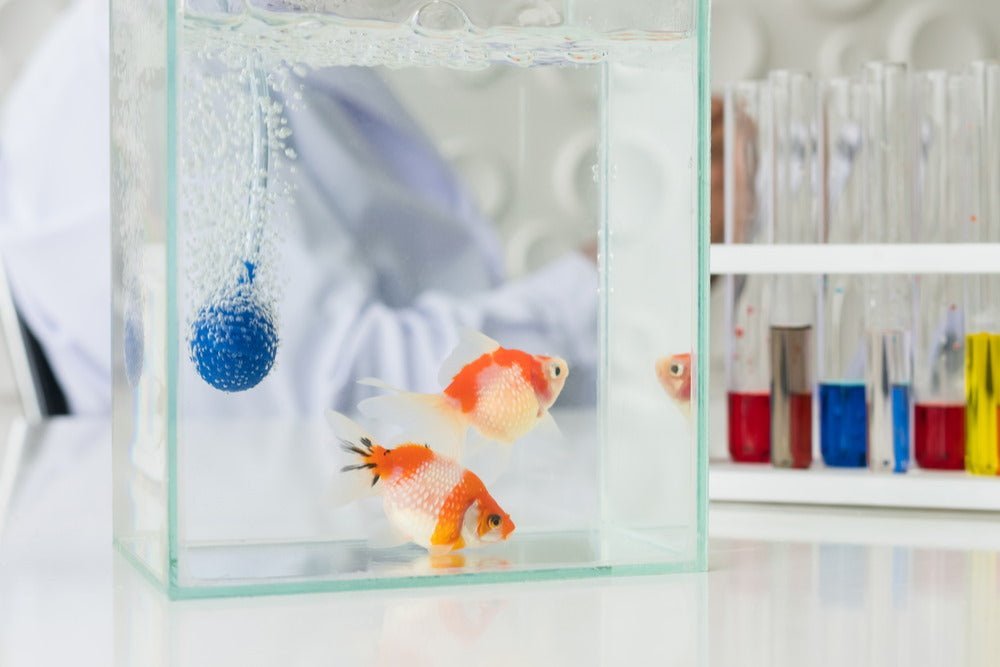
Keep the setup simple. Use a filter, heater, and hiding spots. Avoid complex decor that hides early signs of disease.
Suggested equipment:
- Tank and lid: small to medium, secure cover to prevent jumping.
- Filter: sponge filter is best to avoid strong flow and to support beneficial bacteria.
- Heater: stable temperature matching the fish’s needs.
- Substrate: bare bottom is easier to clean and inspect.
- Test kits: ammonia, nitrite, nitrate, and pH.
- Thermometer and a basic water change kit.
This fish quarantine guide recommends a sponge filter because it provides gentle filtration and preserves nitrifying bacteria. Aim for minimal stress and easy maintenance.
Quarantine timing and schedule
Standard quarantine length is 2–4 weeks. This is enough to spot most common illnesses and allow treatment.
Shorter quarantine (7–10 days) is risky. Longer quarantine (6 weeks) is used for very sensitive species or if symptoms appear.
Daily routine:
- Day 1: Observe for obvious symptoms and acclimate slowly.
- Daily: Check water parameters and fish behavior once or twice.
- Every 2–3 days: Small 10–25% water change to maintain water quality.
- As needed: Treat visible parasites or infections under guidance.
Use this fish quarantine guide timeline as a baseline. Adjust length if a fish shows signs of stress or disease.
Step-by-step quarantine procedures
Follow a clear process to reduce mistakes and cross-contamination.
- Prepare tank first. Cycle or seed the tank with beneficial bacteria before adding fish.
- Acclimate the fish slowly. Match temperature and float bags or drip-acclimate.
- Observe for 24–48 hours for shock, gasping, or erratic swimming.
- Perform daily checks for external parasites, redness, spots, or clamped fins.
- Treat specific issues only after proper diagnosis. Use targeted medicines when needed.
- Do final health checks before transferring the fish to the main tank.
This fish quarantine guide emphasizes patience. Rushing transfers risks outbreaks in your display aquarium.

Common signs to watch for and basic treatments
Knowing signs makes early treatment easier. Catching issues early improves outcomes.
Common signs:
- White spots or sand-like dots: likely ich or external parasites.
- Redness, inflamed skin: possible bacterial infection.
- Clamped fins and lethargy: stress or internal disease.
- Rapid breathing or gasping: poor water quality or gill parasites.
Basic treatments:
- External parasites: medicated dips or salt baths, and repeat treatments per instructions.
- Bacterial infections: antibiotic treatments for fish, combined with improved water quality.
- Fungal issues: antifungal dips and clean water.
- Parasites like ich: raise temperature if species tolerate it and use ich treatment.
Remember that some medications harm invertebrates and plants. Use treatments that suit the fish and the quarantine tank.

Water quality and maintenance tips
Clean water is the backbone of successful quarantine. Poor water causes stress and masks symptoms.
Keep parameters stable:
- Ammonia and nitrite at 0 ppm: toxic to fish.
- Nitrate under 20–40 ppm: perform water changes if higher.
- Stable pH and temperature: match the species’ preferred range.
Maintenance routine:
- Daily surface skim and observation.
- 10–25% water change every 2–3 days.
- Clean filter sponge in old tank water to preserve bacteria.
- Log water tests to catch trends early.
This fish quarantine guide encourages careful record keeping. Small changes over days tell you more than a single test.

Preventing cross-contamination
Cross-contamination is the main way disease spreads. Simple habits stop this.
Best practices:
- Use dedicated nets, siphons, and buckets for the quarantine tank.
- Wash hands and disinfect tools between tanks.
- Maintain separate water storage or label containers clearly.
- Never return quarantine water to the main tank.
Quarantine zones should feel separate. Even a small lapse can undo weeks of care. This fish quarantine guide stresses consistency.
Treatments, medications, and safety
Choose treatments carefully. Use the correct dose and follow instructions.
Medication tips:
- Identify the likely issue before treating.
- Follow temperature and salinity adjustments advised for medication.
- Avoid combining strong medications unless recommended.
- Always complete the full treatment course.
Safety for you and fish:
- Wear gloves when handling chemicals.
- Keep medications out of reach of children and pets.
- Record medicine name, dose, and treatment dates.
This fish quarantine guide reminds you to be cautious. Wrong medication or dose can harm fish more than the disease.
Personal experience and lessons learned
I once introduced a small shoal without quarantine. Within days, an outbreak spread, costing fish and months of recovery. Since then I always use a quarantine tank.
Key lessons:
- Start small and simple. Bare bottom and a sponge filter work wonders.
- Watch behavior more than looks. Stress shows in odd swimming and appetite.
- Treat early but wisely. Misdiagnosis wastes time.
My hands-on work shaped this fish quarantine guide. Small routines prevent big losses.
Costs, time, and practical considerations
Quarantine adds cost and time. Think of it as insurance for your main tank.
Typical costs:
- Tank and stand: moderate one-time expense.
- Filter, heater, and test kits: essential items to run properly.
- Medications: variable, depending on issues.
Time commitment:
- Daily checks take 5–10 minutes.
- Water changes take 15–30 minutes every few days.
This fish quarantine guide weighs benefits versus costs. Most hobbyists find quarantine worth the effort.
Troubleshooting common problems
If fish decline during quarantine, act methodically.
Troubleshooting steps:
- Test water for ammonia, nitrite, nitrate, pH, and temperature.
- Isolate very sick fish to a hospital tank if possible.
- Change water to reduce toxins.
- Stop feeding for 24 hours if they are suffering, then resume small meals.
When in doubt, pause and reassess. Panic treatments can worsen the situation. This fish quarantine guide advises measured actions.
Frequently Asked Questions of fish quarantine guide
How long should I quarantine new fish?
Most hobbyists quarantine new fish for 2–4 weeks to catch common diseases and stabilize the fish. Extend quarantine if symptoms appear or for high-risk species.
Can I use my main tank’s water in the quarantine tank?
It’s better to use fresh, treated water matched for temperature and parameters. Avoid moving water from quarantine back to the main tank to prevent disease spread.
Do I need to medicate every new fish?
No. Medicate only when you see signs or after a confirmed diagnosis. Blanket treatments can stress healthy fish and disrupt beneficial bacteria.
What equipment is essential for quarantine?
A small tank, sponge filter, heater, thermometer, and water test kits are the essentials. Bare-bottom setups make cleaning and observation easier.
Will quarantine work for invertebrates and shrimp?
Many medications harm invertebrates. Use dedicated quarantine for shrimp or treat them with species-safe protocols. Some hobbyists avoid chemical treatments for invertebrates.
Conclusion
Quarantine protects your whole aquarium and gives new fish a calm place to recover. Follow this fish quarantine guide to set up a simple tank, monitor water, spot sickness early, and treat carefully. Start small, keep routines consistent, and learn from each introduction.
Take action today: set up a spare quarantine tank or refine your process. Share your experiences or questions below, and subscribe for more practical aquarium care advice.
