
Swim bladder disorder causes buoyancy problems in fish, making them float, swim oddly, or sink.
I have cared for aquarium fish for years and treated many cases of fish swim bladder disorder. This guide explains what it is, why it happens, how to spot it fast, and practical steps you can take at home or with a vet. Read on for clear, tested advice and simple actions to help affected fish recover.
What is fish swim bladder disorder?
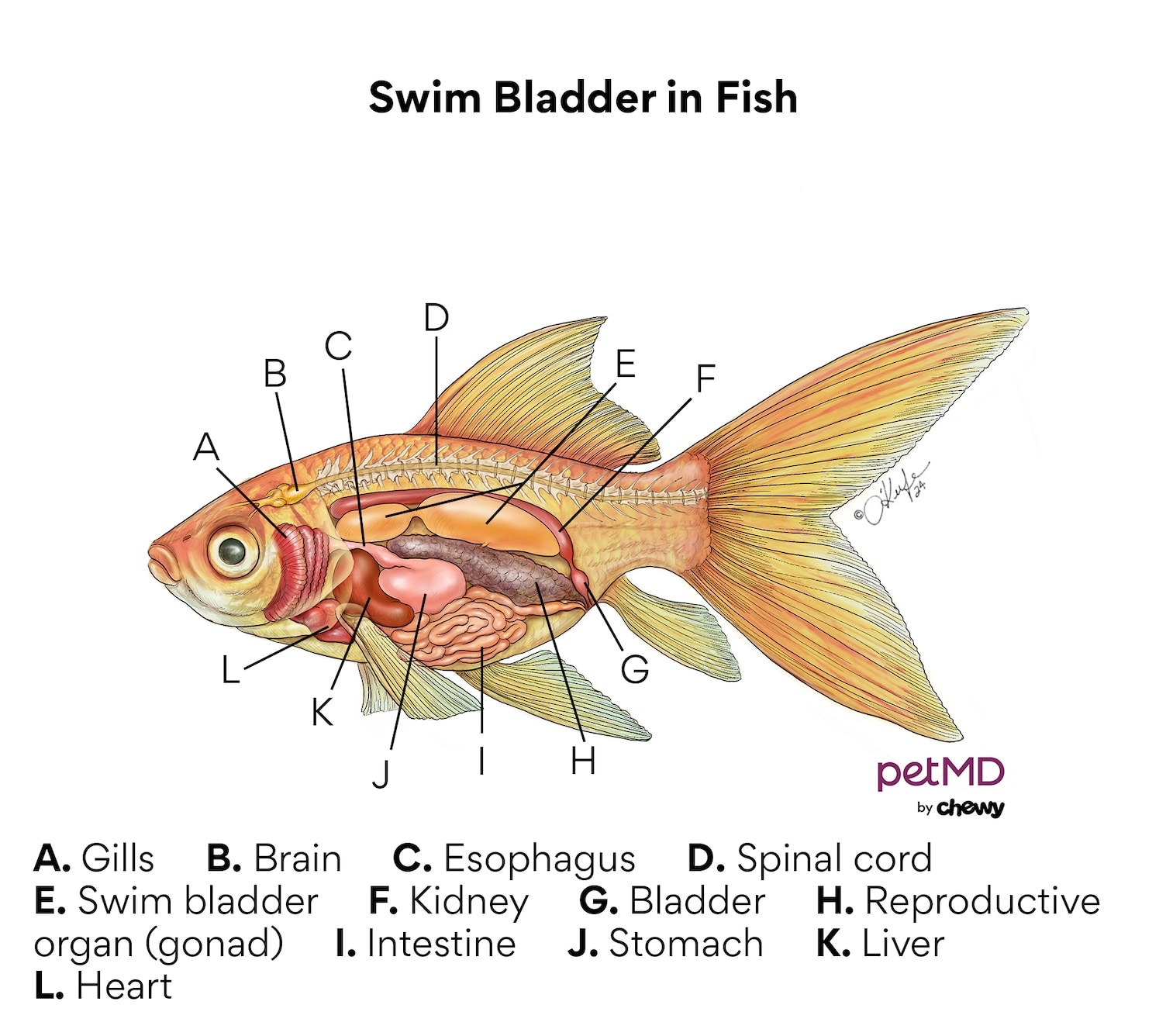
Fish swim bladder disorder is a term for problems with the organ that controls buoyancy. The swim bladder sits in the fish’s body and helps it stay level. When it fails, fish may float at the surface, sink to the bottom, tilt, spin, or struggle to swim.
This disorder can be acute or chronic. Causes include infection, constipation, poor water quality, physical injury, or genetic deformities. Understanding the cause helps you pick the right treatment for fish swim bladder disorder.
Common causes of fish swim bladder disorder
Below are frequent triggers for fish swim bladder disorder. Each cause affects the swim bladder in a different way.
- Overfeeding and constipation
Fish fed too much dry food or flakes can bloat. Swollen guts press on the swim bladder. This leads to buoyancy issues. - Poor water quality
High ammonia, nitrite, or extreme pH stresses fish. Stress weakens the immune system. It makes infections more likely and can worsen swim bladder problems. - Bacterial or parasitic infection
Pathogens can inflame the swim bladder or surround tissues. Infection changes gas exchange and pressure. This results in abnormal floating or sinking. - Physical injury or deformity
Trauma or birth defects can change swim bladder shape. Compressed or torn bladders do not work well. Some fish breeds have body shapes that predispose them to problems. - Rapid temperature or pressure changes
Quick drops or rises in water temperature or moving fish between depths can trap gas. Rapid shifts can cause swim bladder upset. - Poor diet or lack of fiber
Diets low in natural fiber can cause constipation. Constipation often shows up as swim bladder disorder.
Signs and symptoms to watch for
Spotting fish swim bladder disorder early improves outcomes. Watch your fish closely each day.
- Floating at the surface or sinking to the bottom
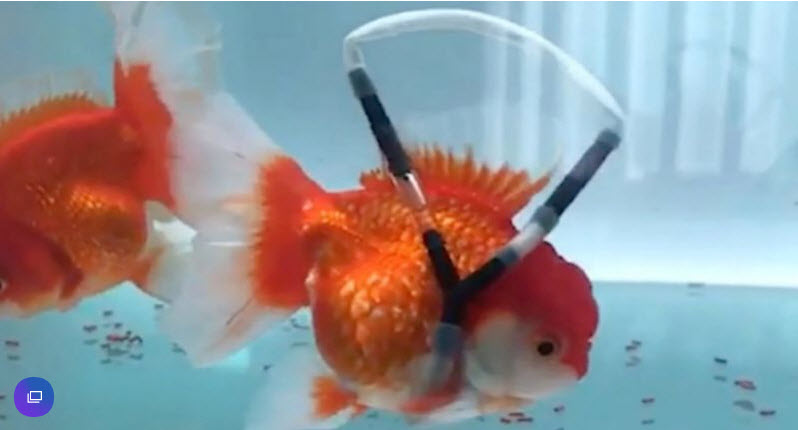
- Tilting on one side or swimming upside down
- Fluttering near the surface without control
- Reduced appetite or refusing food
- Bulging belly or bloating
- Lethargy or hiding more than usual
If you see any of these signs, isolate the fish to a hospital tank if possible. That helps prevent spread and lets you work on water and diet quickly.
Diagnosis and when to act
Diagnosis of fish swim bladder disorder starts with observation. Note behavior, recent feedings, and tank history. Test water for ammonia, nitrite, nitrate, and pH. Examine the fish’s belly for bloating or deformity.
PAA-style questions
How fast should I act if my fish shows swim bladder symptoms?
Act within 24 hours. Early steps like fasting and water checks make a big difference.
Can a sick fish spread swim bladder problems to others?
Yes, if the cause is infectious. Quarantine any fish with swim bladder symptoms until you know the cause.
Will poor water alone cause permanent damage?
If left unchecked, poor water can cause lasting harm. Quick correction often reverses early issues.
If tests show poor water quality, fix that first. If water is clean and diet is suspect, try dietary changes and fasting. If signs persist, consult a fish vet. A vet can run cultures or more advanced tests to find bacterial or parasitic causes.

Treatment and care for fish swim bladder disorder
Treatment varies by cause. Start with simple, low-risk steps at home.
- Immediate steps
Move the fish to a quiet hospital tank with the same water parameters. Stop feeding for 24–48 hours to reduce gut load. - Diet fixes
Feed a shelled, cooked pea to help constipation. Peas add fiber and often reduce bloating. Offer small, soft feedings after fasting. - Water quality improvements
Do a 25–50% water change if ammonia or nitrite is high. Keep temperature steady and within species range. Good water cuts stress and speeds recovery. - Salt treatment (freshwater only)
Low-dose aquarium salt can reduce stress and hydrate tissues. Use species-appropriate salt levels and avoid salt with salt-sensitive species. - Medication for infection
If you suspect bacterial infection, antibiotics may help. Only use targeted meds and follow dosing instructions. Consult a vet before medicating. - Supportive care
Keep lighting low and avoid strong currents. Offer hiding spots. Monitor daily and record behavior and appetite.
Real-life tip from my experience: I once had a goldfish with swim bladder signs after a heavy holiday feeding. I fasted the fish for two days, fed a shelled pea, and did partial water changes. The fish recovered in five days. Quick, simple steps often work.

Prevention and aquarium management
Good routine care prevents many cases of fish swim bladder disorder. Keep a checklist and follow it.
- Feed small amounts twice daily instead of one large meal.
- Include fiber-rich foods like peas and blanched greens.
- Soak dry pellets before feeding to reduce expansion in the gut.
- Maintain stable water chemistry with regular testing.
- Avoid sudden temperature swings; use a reliable heater.
- Quarantine new fish for at least two weeks before adding them.
- Choose species-appropriate tank mates and avoid aggressive feeders.
- Trim overfeeding during holidays or extended absences.
Consistent care lowers stress and reduces the risk of swim bladder problems. Prevention is almost always easier than treatment.

Related conditions and differential diagnosis
Not all buoyancy issues are true swim bladder disorder. Consider these alternatives.
- Internal tumors or cysts that push on the swim bladder
- Dropsy or severe fluid retention causing a swollen belly
- Advanced fin rot or systemic infections that change posture
- Neurological issues from toxins or injury
- Gas bubble disease from supersaturated water
A vet can run tests to rule out these conditions. Knowing the exact cause guides effective treatment.

Frequently Asked Questions of fish swim bladder disorder
What causes swim bladder disorder in goldfish?
Goldfish often get swim bladder disorder from overfeeding and constipation. Their rounded bodies make them more prone to pressure on the swim bladder.
Can swim bladder disorder be cured without medication?
Yes. Many cases respond to fasting, dietary changes, and water improvements. If symptoms persist, medication may be needed.
How long does it take a fish to recover from swim bladder disorder?
Mild cases may improve in a few days. More serious or infectious cases can take weeks and may need veterinary care.
Should I remove other fish from the tank when one shows symptoms?
Quarantine the sick fish if you can. This helps prevent spread if the cause is infectious and reduces stress on the affected fish.
Are some fish species more at risk?
Yes. Fancy goldfish, bettas with compact bodies, and some top-heavy breeds are more prone to swim bladder disorder. Body shape plays a big role.
Can changing water temperature help?
Stabilizing water temperature helps. Sudden changes can worsen the condition, while a steady, correct temperature reduces stress.
Conclusion
Fish swim bladder disorder is common but often treatable with fast, simple steps. Test water, fast the fish, offer fiber like peas, and isolate the fish to limit stress and spread. If signs persist, seek veterinary help for targeted care.
Take action now if you notice odd swimming. Small, steady changes in diet and tank care prevent repeat episodes. Share your experiences, subscribe for more aquarium care tips, or leave a comment with questions.
