
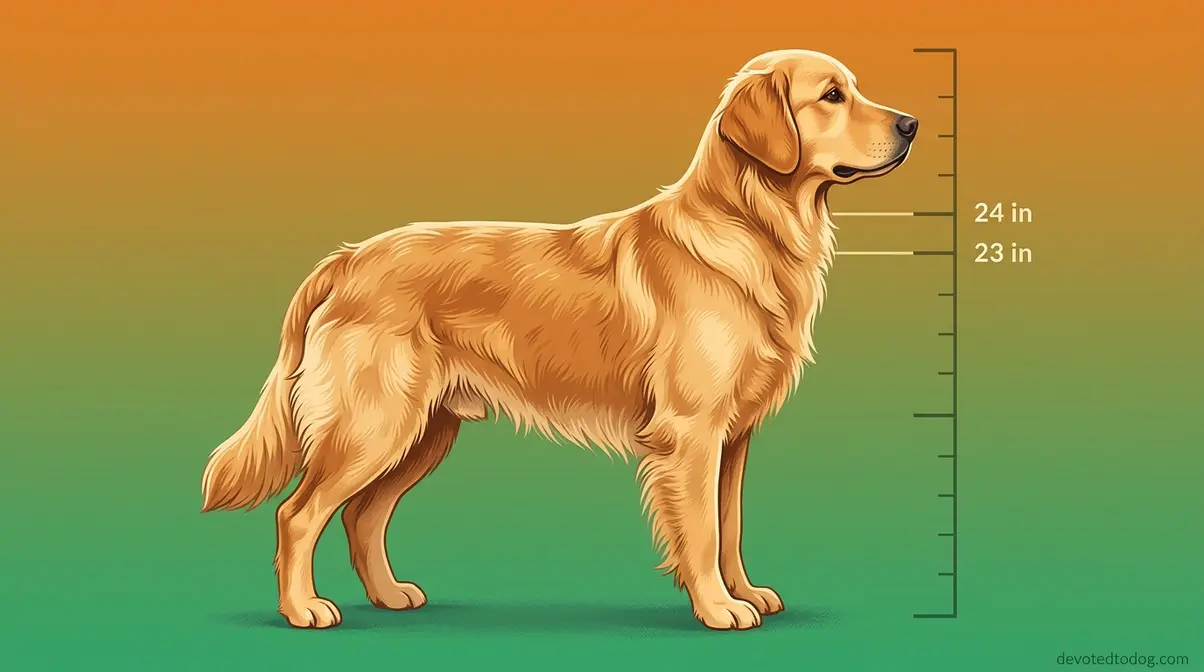
Golden Retriever adolescent development and behavior can surprise many owners. A puppy that once followed every cue may suddenly ignore commands, become more energetic, or test boundaries. This stage is normal and shows that the dog is gaining confidence and independence.
From my experience studying dog behavior patterns, the teenage period is one of the most important times for shaping a balanced adult Golden Retriever. Owners in the United States often face this stage during busy family routines, outdoor activities, and training transitions.
Understanding Golden Retriever adolescent development and behavior helps owners respond with patience instead of frustration. The goal is not to stop natural changes but to guide them in a healthy direction.
What happens during Golden Retriever adolescence?
Golden Retriever adolescent development and behavior usually begins around six months and may continue until two years of age. The exact timeline depends on genetics, health, training, and environment.
During this period, your dog is no longer a small puppy but is not fully mature. The brain, body, and emotions continue to develop. Many owners notice stronger curiosity, higher energy, and new social behaviors.
- ✦ Physical growth
The dog gains adult size, stronger muscles, and improved coordination while still developing.
- ✦ Mental changes
The young Golden Retriever learns independence and may explore limits more often.
- ✦ Social development
The dog learns how to interact with people, animals, and new situations.
Common age stages
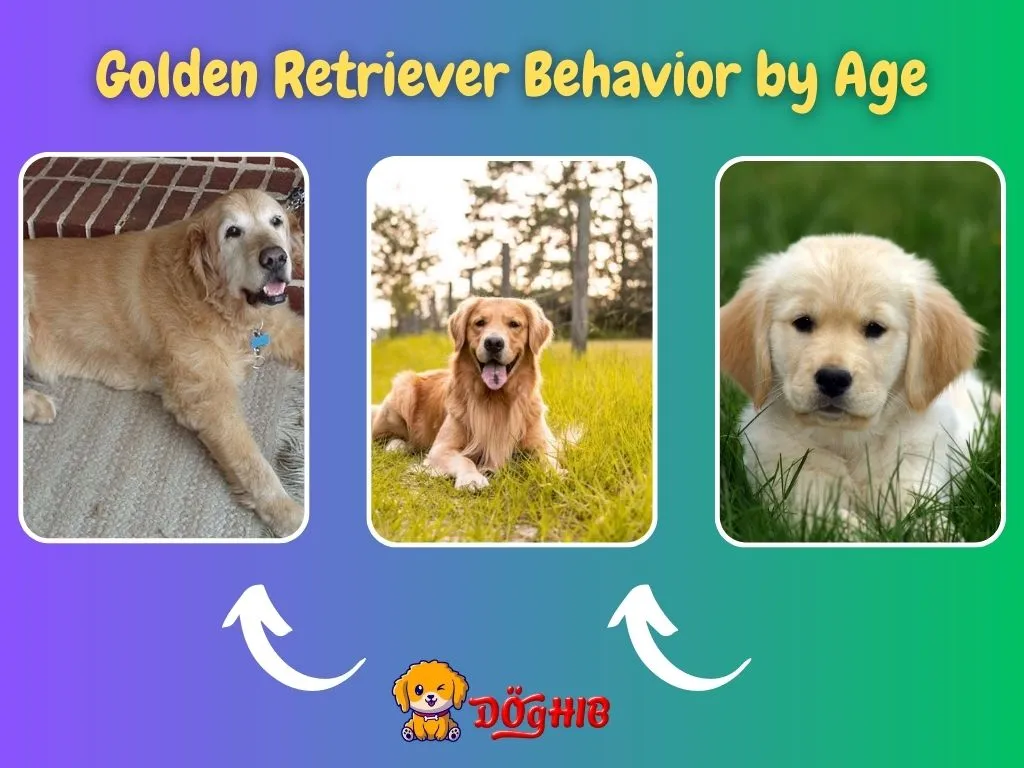
A Golden Retriever between six and twelve months may show puppy excitement with growing confidence. Between one and two years, many dogs become more settled but still need guidance.
- ✦ Early adolescence
More energy, chewing, excitement, and curiosity are common.
- ✦ Late adolescence
Better focus and emotional control slowly develop.
Why adolescent Golden Retrievers change behavior
Golden Retriever adolescent development and behavior changes happen because the dog is learning how to handle the world. Hormonal changes, new experiences, and brain development can affect reactions.
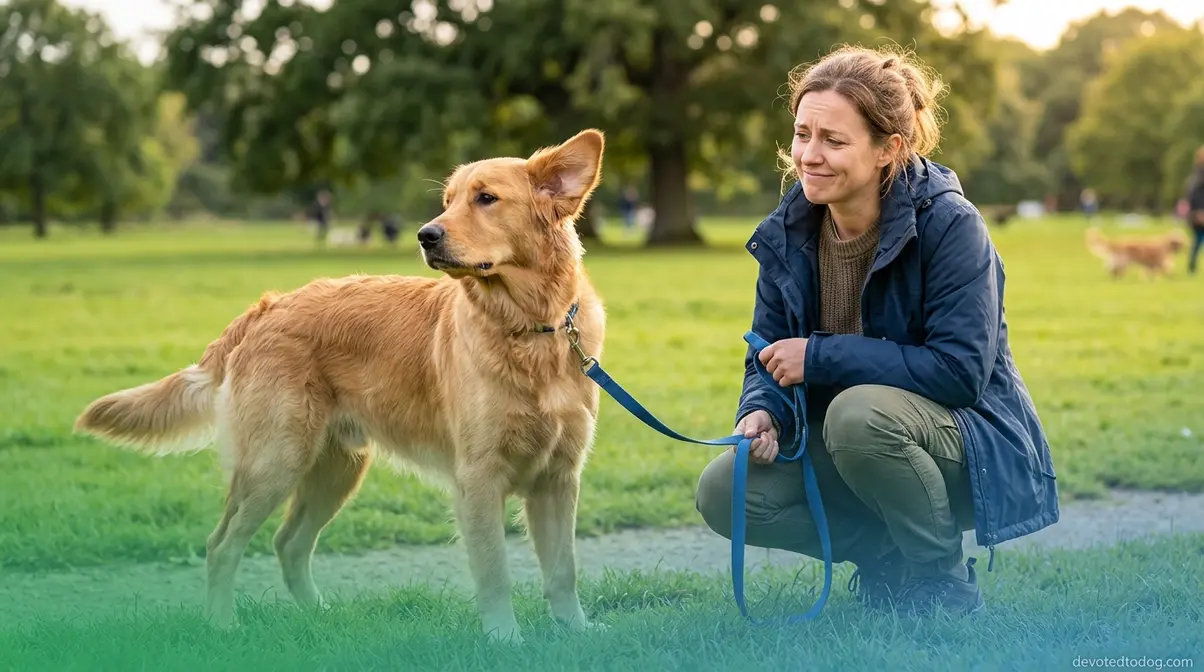
A friendly Golden Retriever may become more distracted outdoors. A dog that knew basic commands may suddenly seem forgetful. This does not mean training failed.
- ✦ Testing boundaries
Young dogs may repeat unwanted actions to discover what rules remain consistent.
- ✦ Increased confidence
Some dogs become more adventurous and explore new places.
- ✦ Changing attention span
Distractions can become stronger during this developmental stage.
Training a Golden Retriever during the teenage phase
Training during Golden Retriever adolescent development and behavior stages requires consistency. Short sessions work better than long sessions because young dogs can lose focus quickly.
Positive reinforcement remains one of the most useful methods. Reward calm choices, good manners, and correct responses instead of focusing only on mistakes.
- ✦ Refresh basic commands
Practice sit, stay, recall, and leash skills in different locations.
- ✦ Reward calm behavior
Teach your dog that relaxed actions receive attention and rewards.
- ✦ Add mental challenges
Use puzzle toys, scent games, and training games to keep the brain active.
Avoid common training mistakes
Many owners expect teenage dogs to behave like adults. This creates frustration. A better approach is to adjust expectations while continuing clear guidance.
- ✦ Avoid inconsistent rules
Changing household rules can confuse a developing dog.
Exercise and enrichment needs of adolescent Golden Retrievers
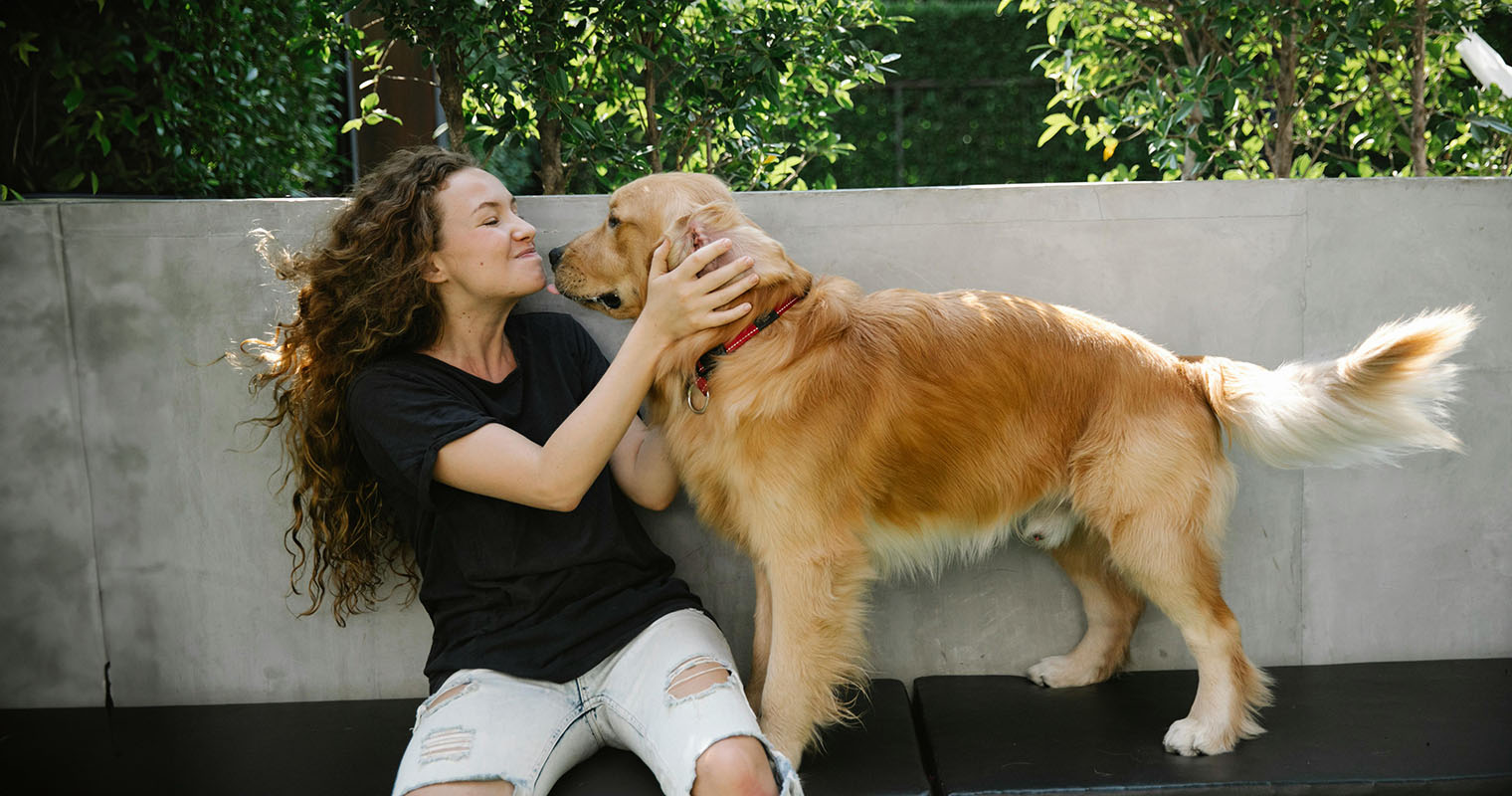
Golden Retriever adolescent development and behavior is strongly affected by daily activity. These dogs were bred to work with people, so they need both physical exercise and mental engagement.
A balanced routine may include walks, controlled play, training games, and social experiences. Too little activity can lead to boredom, while too much intense exercise may stress growing joints.
- ✦ Daily walks
Regular walks provide movement, exploration, and healthy stimulation.
- ✦ Retrieving games
Fetch activities match the natural retrieving instincts of this breed.
- ✦ Brain games
Problem-solving activities help reduce unwanted boredom behaviors.
Managing common adolescent behavior problems
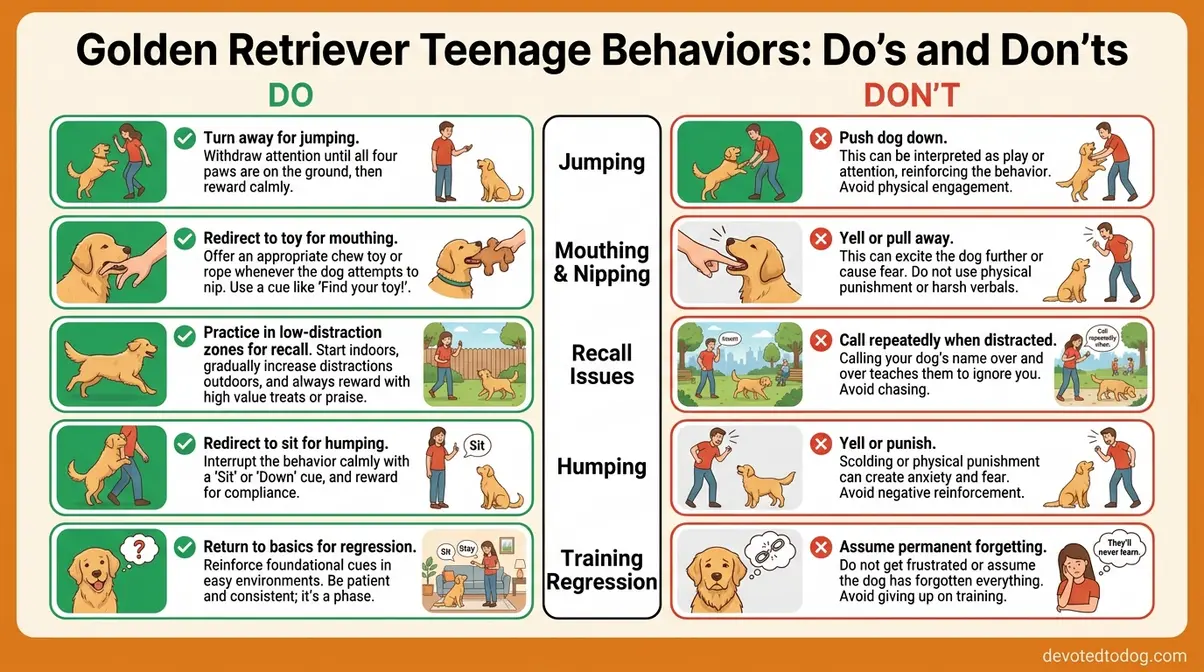
Golden Retriever adolescent development and behavior may include jumping, chewing, pulling on the leash, barking, and ignoring commands. These behaviors often improve with training and maturity.
The key is finding the reason behind the behavior. A dog may chew because of boredom, jump because of excitement, or pull because the environment is rewarding.
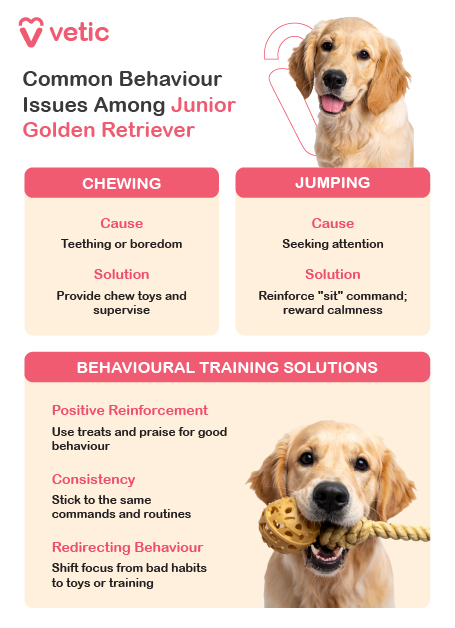
- ✦ Jumping on people
Reward four paws on the floor and avoid rewarding excited jumping.
- ✦ Leash pulling
Practice calm walking and reward attention toward the handler.
- ✦ Chewing objects
Provide safe chew options and manage access to unwanted items.
Building confidence and emotional maturity
Confidence is a major part of Golden Retriever adolescent development and behavior. Young dogs need safe exposure to people, places, sounds, and experiences.
A confident Golden Retriever learns to handle new situations without fear. Owners should introduce challenges slowly and create positive experiences.
- ✦ Controlled social exposure
Introduce new environments at a comfortable pace.
- ✦ Reward bravery
Praise calm exploration and thoughtful choices.
