
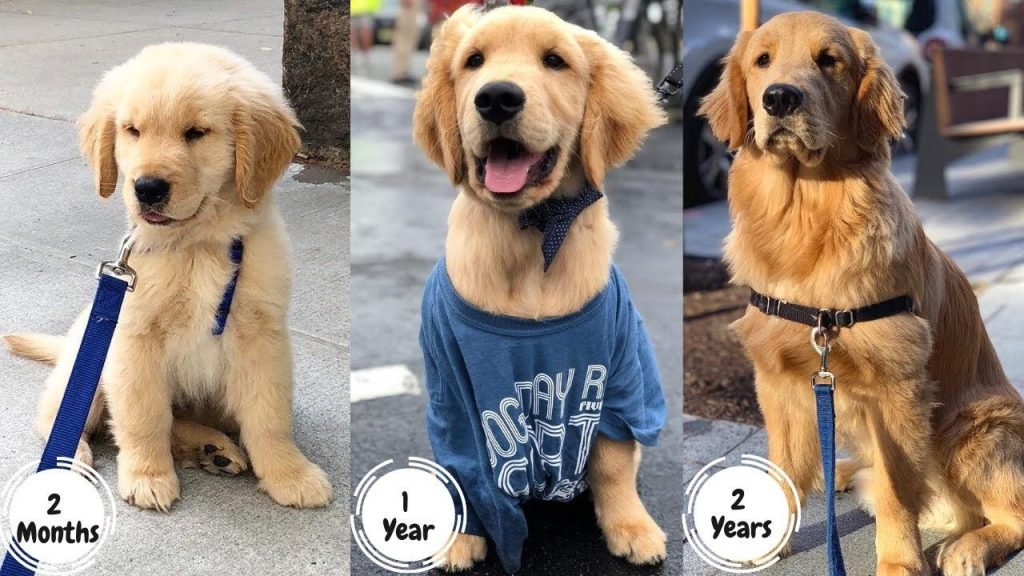
Golden Retriever adult development and maturity is a gradual process that changes more than just body size. A young Golden may look grown but still act playful, curious, and impulsive. True adulthood comes when physical growth, emotional control, and learned habits work together.
In my experience studying dog behavior and breed development, many Golden Retriever owners notice a big change after the teenage stage. Their dog becomes easier to manage, listens better, and develops a stronger bond with the family. Understanding these changes helps owners provide the right care at every stage.
Understanding the timeline of Golden Retriever adult development and maturity
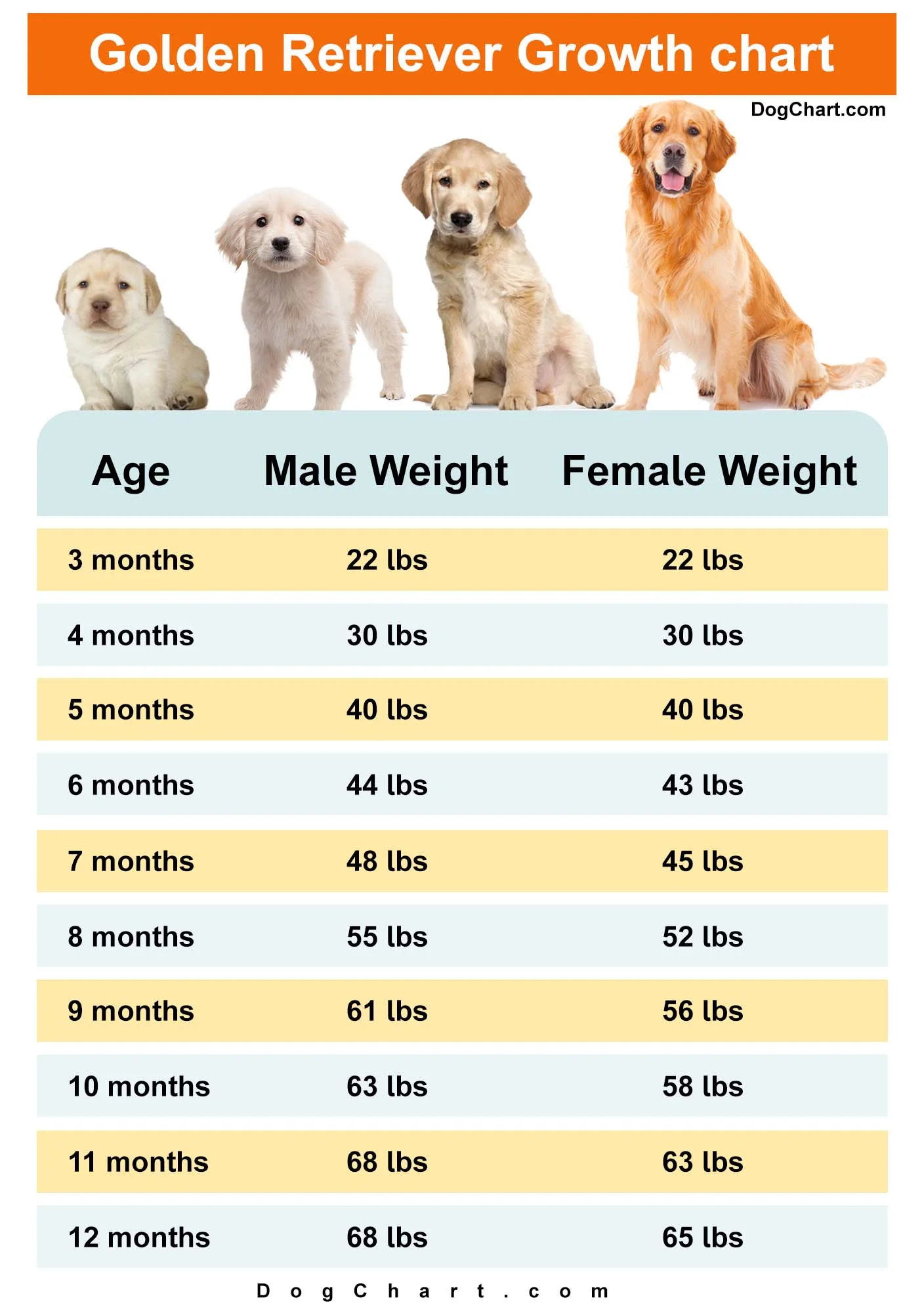
Golden Retriever adult development and maturity does not happen overnight. The breed grows through several stages, including puppyhood, adolescence, young adulthood, and full maturity.
Most Golden Retrievers reach their adult height before they reach full mental maturity. A two-year-old Golden may have the body of an adult but still show youthful energy and playful behavior.
- ✦ Physical maturity
Most Golden Retrievers reach their full height and frame between 18 months and 2 years.
- ✦ Mental maturity
Emotional control, focus, and calm behavior often improve between 2 and 3 years of age.
- ✦ Personality development
Adult traits become clearer as the dog gains life experience and learns family routines.
Why age does not always define maturity
Every Golden Retriever develops at a different pace. Genetics, training, exercise, and daily experiences all affect how quickly a dog becomes mature.
A well-trained young Golden can appear mature early, while an under-stimulated adult may continue acting like a puppy.
Physical changes during adult Golden Retriever development
During Golden Retriever adult development and maturity, the body changes from a growing frame into a strong adult structure. Muscles become more developed, the chest becomes broader, and movement becomes smoother.
Adult Golden Retrievers usually maintain a strong athletic build. Their weight should depend on body condition, not just age, because healthy dogs vary in size.

- ✦ Body shape
Adults develop a wider chest, stronger muscles, and a balanced frame.
- ✦ Coat changes
The adult coat becomes thicker, longer, and more developed compared with puppy fur.
- ✦ Energy changes
Adult dogs often become steadier but still need daily activity.
Weight and size expectations
Many adult Golden Retrievers in the United States weigh within a broad healthy range depending on genetics, sex, and lifestyle.
Owners should focus on visible waist definition and healthy movement rather than chasing a specific number on a scale.
Behavior changes as a Golden Retriever reaches maturity
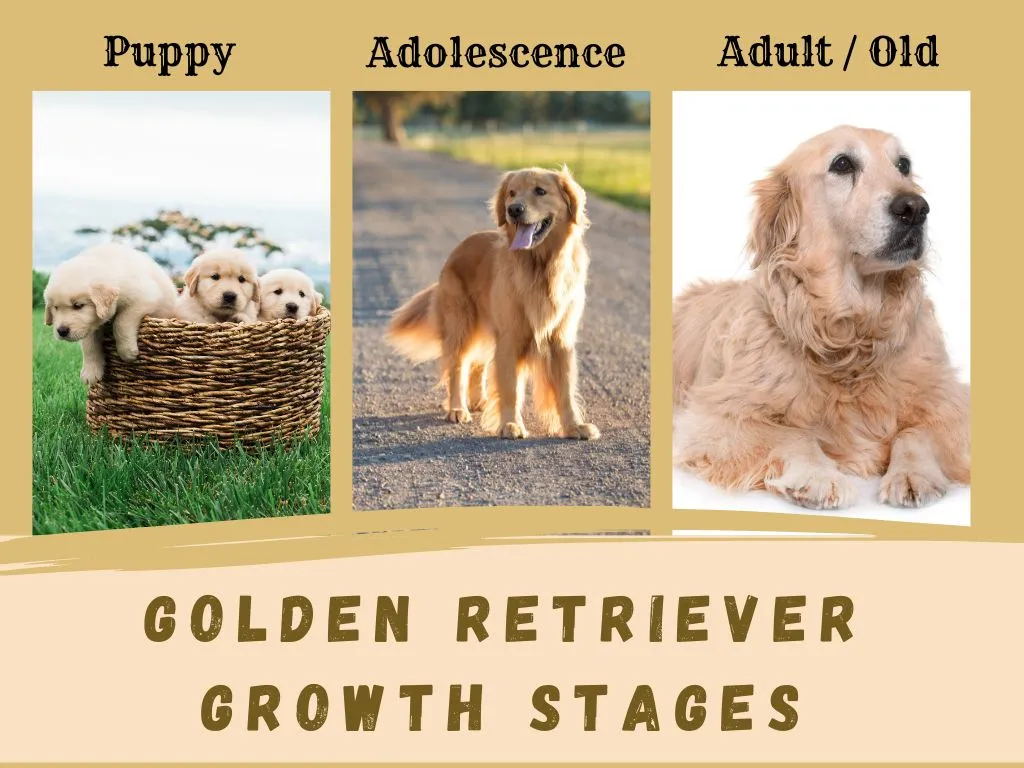
Golden Retriever adult development and maturity brings noticeable behavior changes. Many owners see better impulse control, improved attention, and a calmer response to daily situations.
Adult Golden Retrievers usually keep their friendly nature. They often remain social, gentle, and eager to interact with people.
- ✦ Better self-control
Mature dogs often handle excitement better and recover faster from distractions.
- ✦ Improved focus
Adult Golden Retrievers can usually learn advanced training skills more easily.
- ✦ Stable personality
Their natural temperament becomes clearer as they mature.
The adult Golden Retriever personality
Most adult Golden Retrievers remain affectionate and people-focused. They often enjoy family activities, walks, and gentle play.
Maturity does not remove their playful side. Instead, it creates a better balance between energy and calm behavior.
Training and learning ability in mature Golden Retrievers
Golden Retriever adult development and maturity often improves training results because adult dogs can concentrate for longer periods. They understand routines and respond better to consistent guidance.
Many owners make the mistake of stopping training once their dog becomes an adult. Continued learning keeps the dog mentally active and strengthens the human-dog relationship.
- ✦ Advanced obedience
Adult Golden Retrievers can develop reliable skills such as recall, manners, and task-based behaviors.
- ✦ Mental enrichment
Puzzle toys, scent games, and new commands support healthy brain activity.
Exercise needs of an adult Golden Retriever
A mature Golden Retriever still needs regular exercise because the breed was developed for active work. Adult dogs benefit from walks, play, swimming, and training games.
Exercise needs may change with age. A young adult often has more energy than a senior dog, but every dog needs activity that matches health and fitness.
- ✦ Daily movement
Regular walks and play help maintain healthy weight and behavior.
- ✦ Mental exercise
Training games and problem-solving activities prevent boredom.
- ✦ Joint protection
Balanced exercise supports long-term mobility and comfort.
Nutrition and health care for mature Golden Retrievers
Nutrition plays an important role in Golden Retriever adult development and maturity. Adult dogs need balanced food that supports muscle health, energy, and healthy body weight.
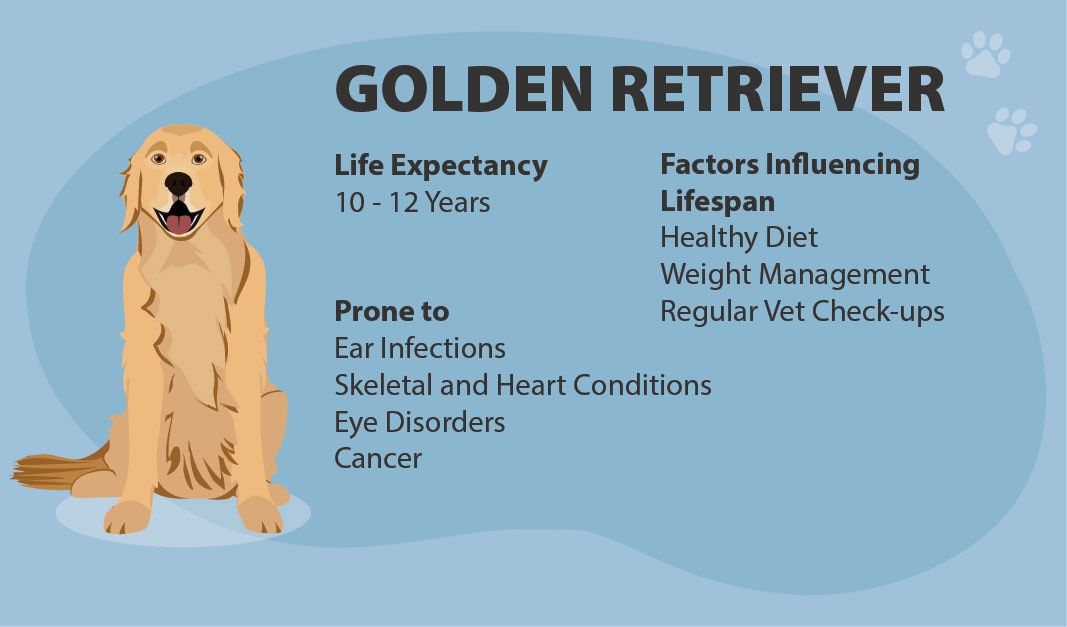
Regular veterinary visits help owners detect problems early. Golden Retrievers can benefit from preventive care because some health concerns become more common as they age.
- ✦ Balanced diet
Adult food should match activity level, body condition, and health needs.
- ✦ Routine checkups
Regular exams help monitor weight, joints, teeth, and overall wellness.
- ✦ Healthy weight control
Keeping a lean body reduces unnecessary stress on joints.
