
Comet goldfish are a slender, active variety of common goldfish with longer tails and faster growth.
I have kept and bred a wide range of goldfish for over a decade, and I can tell you the key differences between goldfish vs comet goldfish quickly and clearly. This guide explains how comet goldfish differ from other goldfish in appearance, behavior, care, and health. You will get practical tips, real-life lessons, and clear buying and setup advice so you can pick the best fish for your tank or pond. Read on to learn everything you need about goldfish vs comet goldfish from an experienced aquarist.

Overview: What are goldfish and comet goldfish?
Goldfish are Domesticated carp kept as pets for centuries. They come in many shapes, sizes, and colors. Comet goldfish are a variety of common goldfish developed in the United States. Comet goldfish have long, flowing tails and a slimmer body than many fancy goldfish.
When we compare goldfish vs comet goldfish, the main idea is simple: both are goldfish, but comets are built for speed and activity. Comet goldfish often do better in outdoor ponds and large tanks. This section sets the stage for differences you will see in care and behavior.
Appearance differences: body, fins, and colors
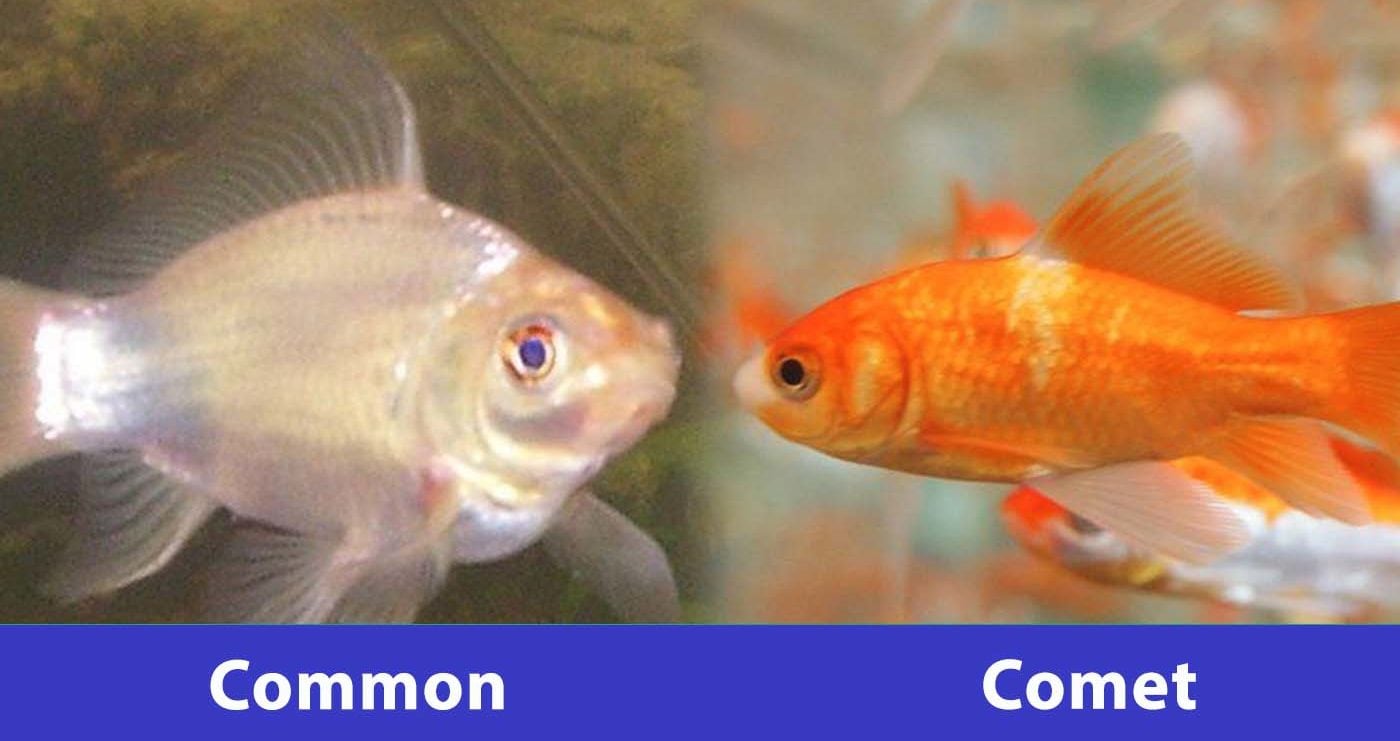
Comet goldfish have a more streamlined, torpedo-shaped body. Many other goldfish types have rounder bodies and paired fancy fins. Comet tails are long and single, often trailing behind like a comet’s tail. Other goldfish may have double tails, fancy head growths, or balloon bodies.
Key visual differences to note when comparing goldfish vs comet goldfish:
- Body shape: Comets are slender; many goldfish breeds are deeper-bodied.
- Tail type: Comets have a single, long tail; fancy goldfish often have double tails.
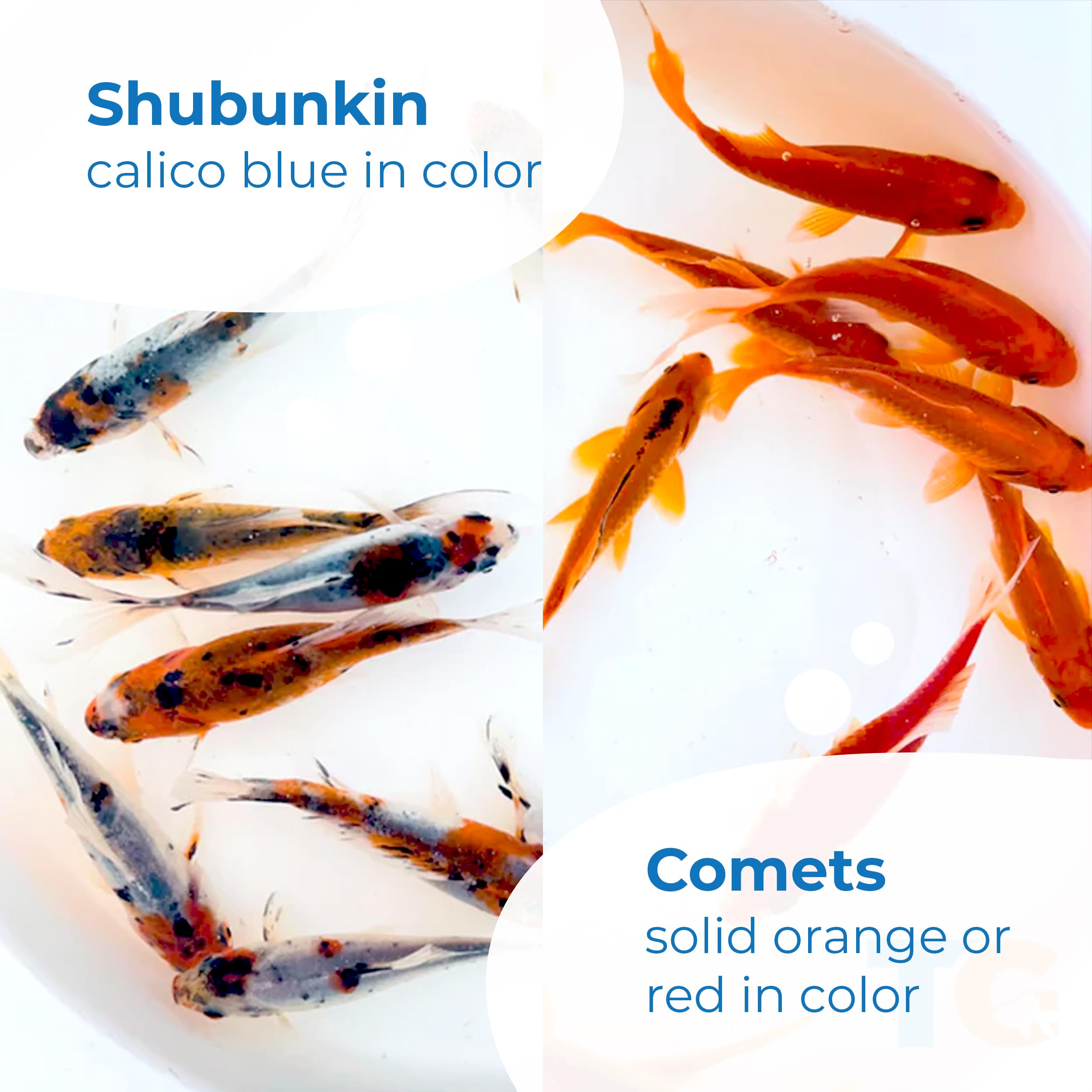
- Color patterns: Both can show orange, red, white, black, and calico patterns.
- Eye and head features: Comets lack the wen or bulging eyes seen in some fancy goldfish.
Size and growth: how big do they get?
Comet goldfish grow fast and can reach 10–14 inches in ideal conditions. Many common goldfish also reach similar sizes. Fancy, round-bodied goldfish tend to grow slower and may stay smaller in length but can be wider. Growth depends on tank or pond size, water quality, and diet.
When thinking about goldfish vs comet goldfish, remember space matters. Comet goldfish need room to swim. Give them large tanks or ponds to avoid stunted growth and health issues.

Temperament and behavior: activity and social needs
Comet goldfish are active swimmers. They explore the water column and can be quick. Other goldfish vary; fancy types are often slower and may be less competitive at feeding. Comets can coexist well with other fast or medium-paced fish but may outcompete slow-bodied varieties at feeding time.
When you compare goldfish vs comet goldfish for temperament, comets are more energetic. They like currents and open space. If you want lively displays, comet goldfish deliver.

Tank and pond requirements: space, filtration, and setup
Comet goldfish prefer:
- Larger tanks or outdoor ponds for ample swimming space.
- Strong filtration to handle high waste production.
- Stable temperatures between 65–75°F (18–24°C) for best growth.
When planning for goldfish vs comet goldfish, use these rules:
- Provide at least 20 gallons for one comet goldfish, plus 10 gallons per extra fish.
- Use mechanical and biological filtration rated above the tank volume.
- Avoid small bowls or crowded setups; comets need room to thrive.

Feeding and diet: what to feed and how often
Comet goldfish eat flakes, pellets, vegetables, and live foods. They are not picky but do best with a varied diet. Overfeeding causes water quality issues and swim problems. Feed small amounts 2–3 times daily and remove uneaten food after a few minutes.
For goldfish vs comet goldfish feeding, use:
- High-quality sinking pellets or flakes as a staple.
- Blanched peas, spinach, or zucchini for fiber.
- Occasional treats like daphnia or bloodworms for protein.
Health, common issues, and prevention
Comets are hardy but face common goldfish problems like swim bladder disorder, parasites, and bacterial infections. Poor water quality and overcrowding raise risk. Fancy goldfish may suffer more from buoyancy and gravity-related issues due to body shape.
Practical steps when managing goldfish vs comet goldfish health:
- Test water weekly for ammonia, nitrite, and nitrate.
- Perform regular partial water changes.
- Quarantine new fish for two weeks to avoid introducing disease.

Breeding basics: how comets reproduce
Comet goldfish spawn easily in spring if conditions are right. They are egg scatterers and do not care for eggs. Many hobbyists place spawning mops or plants to protect eggs from being eaten. Fry require fine food like infusoria at first, then baby brine shrimp.
When comparing goldfish vs comet goldfish breeding, comets breed with fewer complications than fancy goldfish. Their slender bodies and normal swim abilities help during spawning events.
Choosing between goldfish and comet goldfish: which is right for you?
Ask these questions before you buy:
- Do you want a fast, active fish? Choose a comet.
- Do you want a showy, slow-moving fish? Choose a fancy goldfish.
- Do you have a pond or a small indoor tank? Comets prefer more space and do very well in ponds.
My experience: I once put a comet goldfish in a 15-gallon tank. It grew fast and developed stress from limited space. I moved it to a pond and the fish improved within weeks. Lesson: match space to the fish type when deciding between goldfish vs comet goldfish.
Practical care tips and mistakes to avoid
Simple tips that helped me keep comets healthy:
- Prioritize water quality over fancy ornaments.
- Feed a varied, measured diet to avoid swim problems.
- Give comets open swimming areas and strong filtration.
Common mistakes:
- Keeping comets in small bowls.
- Mixing comets with very slow, delicate goldfish that can’t compete for food.
- Forgetting regular water testing and changes.
Related concepts and final notes on compatibility
Comet goldfish can live with other robust pond or aquarium fish such as certain types of koi or large plecos. Avoid pairing them with small, delicate species that can be bullied. Remember that temperature, diet, and water chemistry should match across tank mates.
When thinking about goldfish vs comet goldfish compatibility, plan for similar size and temperament. This lowers stress and disease spread in mixed systems.
Frequently Asked Questions of goldfish vs comet goldfish
Are comet goldfish the same as common goldfish?
Comet goldfish are a variety of common goldfish, but they are bred for a slimmer body and longer tail. They share many needs with common goldfish but are usually more active.
Can comet goldfish live in indoor tanks?
Yes, comet goldfish can live indoors but need large tanks and strong filtration. They do best in spacious setups or outdoor ponds.
How fast do comet goldfish grow?
Comets can grow quickly, often reaching 10 inches or more in a well-kept pond within a year or two. Growth varies by diet, space, and water quality.
Do comet goldfish get along with fancy goldfish?
Comets may outcompete slow fancy goldfish for food due to speed and activity. If mixed, monitor feeding and provide hiding spots and separate feeding areas.
How long do comet goldfish live?
Comet goldfish often live 10–15 years, and sometimes longer with excellent care. Lifespan depends on water quality, diet, and disease prevention.
Is special breeding needed to produce comet goldfish?
No special methods are required; comets breed like other egg-scattering goldfish. Provide spawning conditions and protect eggs for higher fry survival.
Conclusion
Goldfish vs comet goldfish comes down to body shape, activity, and space needs. Comet goldfish are active, fast-growing, and ideal for ponds or large tanks. Fancy goldfish favor calm water and close-up viewing. Choose comets if you want lively swimmers and room to host them well.
Actionable takeaway: measure your tank or pond, plan filtration and diet, and match the fish to the space before buying. If you found this guide helpful, try setting up a proper tank plan or leave a comment describing your setup and questions.
