
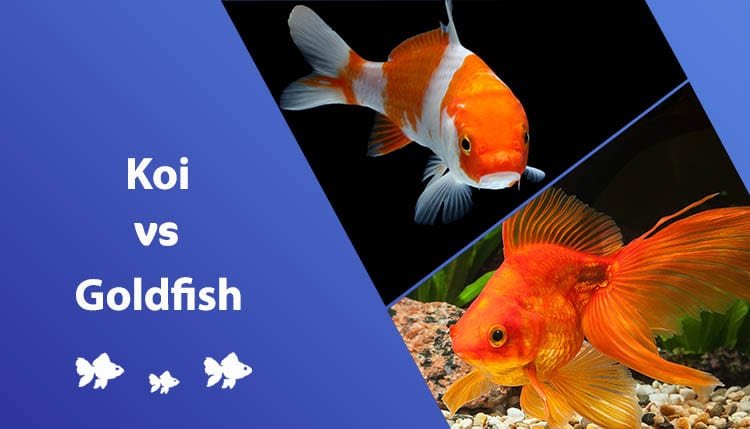
Goldfish vs koi fish: Koi need space and ponds; goldfish are smaller and tank-friendly.
I have kept and cared for both goldfish vs koi fish for years, and I write from hands-on experience and research. This guide compares behavior, size, lifespan, habitat needs, costs, and health risks so you can pick the right fish. I will explain practical care steps, share real mistakes I made, and give a clear roadmap whether you want a tranquil pond with koi or a lively aquarium with goldfish. Read on to learn everything you need about goldfish vs koi fish in simple, actionable terms.
Quick comparison: goldfish vs koi fish at a glance
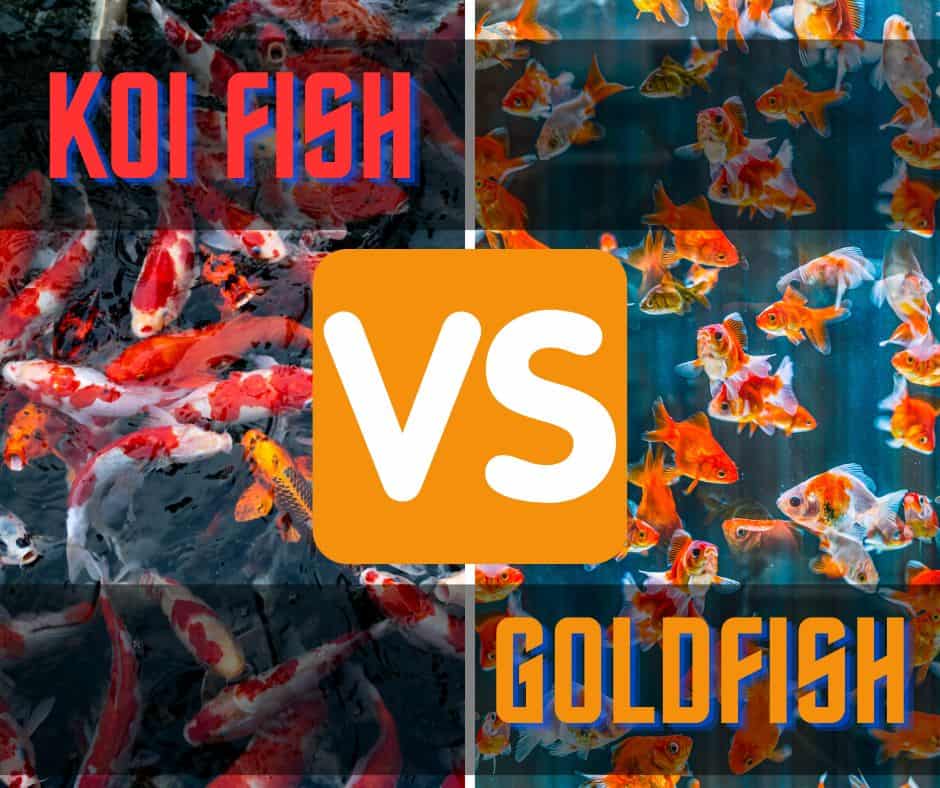
Goldfish vs koi fish look similar to many eyes, yet they differ in size, space need, lifespan, and care. This short comparison helps you match fish to your goals.
- Size and growth
- Goldfish usually reach 6 to 12 inches in home setups; fancy types stay smaller.
- Koi can grow 24 to 36+ inches in good ponds.
- Lifespan
- Goldfish live 10 to 20 years with good care; some live longer.
- Koi often live 25 to 40 years and can exceed 50 years in optimal conditions.
- Best habitat
- Goldfish do well in large tanks or ponds.
- Koi require outdoor ponds with strong filtration and depth.
- Cost and commitment
- Goldfish are inexpensive to buy and set up.
- Koi are costlier and need long-term commitment and space.
If you want a low-cost start, goldfish are friendly and forgiving. If you want a showpiece and long-term project, koi are rewarding but demanding. This article expands each point and gives practical steps for success with goldfish vs koi fish.

Origins, biology, and appearance differences
Understanding origins helps explain how goldfish vs koi fish behave and grow.
- Origins and domestication
- Goldfish were domesticated from carp in East Asia over 1,000 years ago.
- Koi are a colored variety of common carp, selectively bred in Japan for patterns and size.
- Body shape and varieties
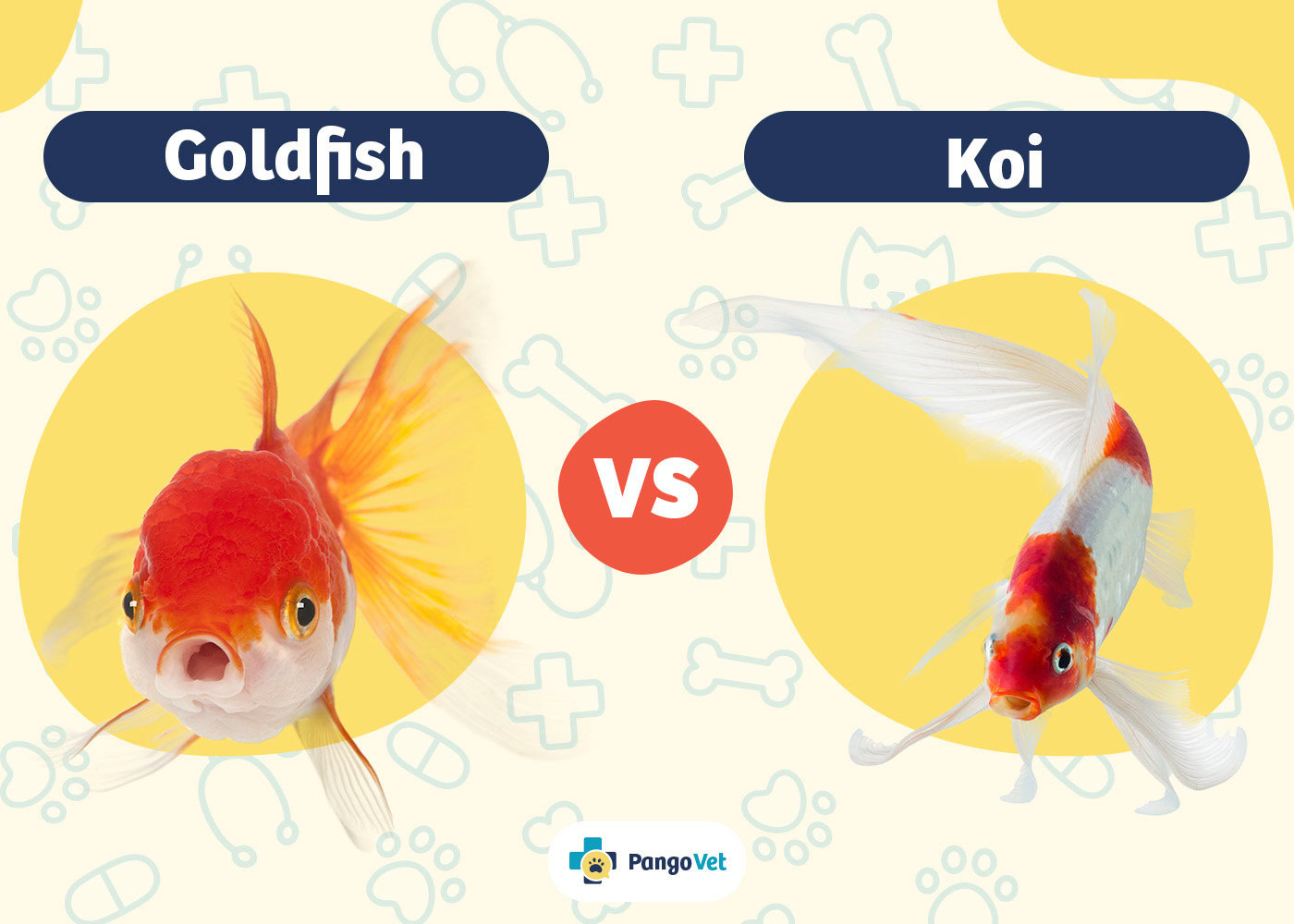
- Goldfish have many body shapes: slim commons, round-bodied ranchus, and bubble-eyed types.
- Koi keep the classic streamlined carp shape with diverse color patterns like Kohaku and Sanke.
- Color genetics
- Goldfish show many mutations in scale type, tail shape, and color due to long captive breeding.
- Koi color patterns result from selective breeding focused on skin hue, scale sheen, and symmetry.
- Physical needs tied to biology
- Goldfish metabolism and body shape make some fancy goldfish less strong swimmers and more prone to swim bladder issues.
- Koi are powerful swimmers suited for ponds and need open water to thrive.
Knowing these basics lets you choose species that match your setup and aesthetic goals for goldfish vs koi fish.

Care requirements: tanks, ponds, water, and feeding
Proper care separates healthy fish from stressed fish. Below are clear, simple rules I have used successfully.
- Habitat size and setup
- Goldfish in tanks need at least 20 gallons for one common goldfish and 10 additional gallons per extra fish.
- Koi need a pond of at least 1,000 gallons for a small group; depth of 3–4 feet helps temperature and predator safety.
- Filtration and water flow
- Both species produce a lot of waste. Use powerful mechanical and biological filters.
- For ponds with koi, choose pond skimmers, settling chambers, and UV sterilizers if algae or pathogens become an issue.
- Water parameters
- Aim for pH 7.0–8.0, ammonia 0 ppm, nitrite 0 ppm, and nitrate below 40 ppm.
- Goldfish tolerate cooler water; koi prefer stable temperatures and oxygen-rich water.
- Feeding
- Feed balanced pellets designed for goldfish or koi once to twice daily, only what they eat in two minutes.
- Avoid overfeeding. Uneaten food raises ammonia and causes illness.
- Common health problems
- Watch for ich, fin rot, swim bladder issues (especially in fancy goldfish), and koi-specific viral diseases.
- Quarantine new fish 2–4 weeks to limit disease spread.
Personal tip: I upgraded filtration early for both goldfish vs koi fish. A good filter prevents 70% of common problems.
PAA-style questions (short answers)
Q: Can goldfish live with koi?
A: Yes, in large ponds with strong filtration, but koi can outgrow or outcompete goldfish for food.
Q: Do koi need a pond?
A: Yes, koi do best in outdoor ponds with volume, depth, and robust filtration to support their size and waste.
Q: How big do goldfish get?
A: Common goldfish can reach 10–12 inches; fancy varieties often remain 4–8 inches depending on genetics and care.

Choosing between goldfish and koi: what to consider
Pick fish that match your space, time, and budget. These are the key deciding factors for goldfish vs koi fish.
- Space and long-term plans
- If you have a small home or balcony, goldfish in a well-sized tank are better.
- If you have yard space and long-term interest, koi ponds provide a beautiful focal point.
- Budget and maintenance time
- Goldfish setup costs less. Ongoing costs include food, water treatments, and filter media.
- Koi ponds cost more upfront for excavation, pumps, and filters and demand regular maintenance.
- Aesthetic and social value
- Goldfish are colorful and fun for aquariums or small backyard ponds.
- Koi are showy, large, and often kept as family heirlooms or garden centerpieces.
- Climate considerations
- Goldfish survive in many climates indoors or outdoors with shelters.
- Koi need winter planning in cold climates—deeper ponds and aeration help overwintering.
Personal decision note: I chose goldfish when I first started. After learning filtration and water quality, I built a pond and added koi. That gradual path can save money and teach needed skills for koi care.
Personal experience, common mistakes, and practical tips
I’ve learned lessons the hard way. Here are practical tips I trust.
- Mistakes I made
- Starting small with inadequate filtration and upgrading later was costly. Fix filtration first.
- Mixing many species without quarantine spread parasites once.
- Practical tips
- Cycle any tank or pond before adding fish to establish beneficial bacteria.
- Test water twice weekly at first, then weekly once stable.
- Use high-quality, species-specific food and feed sparingly.
- What worked well
- Regular partial water changes kept ammonia and nitrate low.
- Seasonal checks of pond pumps and aeration prevented winter oxygen crashes for koi.
- Empathy and hobby advice
- Expect a learning curve. Fish keepers learn by observing behavior, water tests, and small adjustments.
My best tip: invest in a reliable test kit and a good mechanical filter; they solve most problems early on.

Maintenance checklist and buying guide
Follow this checklist when buying fish and setting up a home for goldfish vs koi fish.
- Before you buy
- Ensure space and budget match the species you want.
- Prepare and cycle the tank or pond for 2–6 weeks.
- Equipment list
- Filter rated for at least double the system volume
- Water test kit (pH, ammonia, nitrite, nitrate)
- Pond pump and skimmer for koi ponds
- Dechlorinator and beneficial bacteria starter
- Routine care tasks
- Feed once or twice daily; remove uneaten food
- Weekly water tests and partial water changes (10–25%)
- Monthly filter checks and media cleaning as needed
- Buying tips
- Inspect fish for clear eyes, active swimming, and intact fins
- Quarantine new fish for 2–4 weeks
Checklist summary: space, filtration, water testing, and quarantine are the four pillars of success for goldfish vs koi fish.
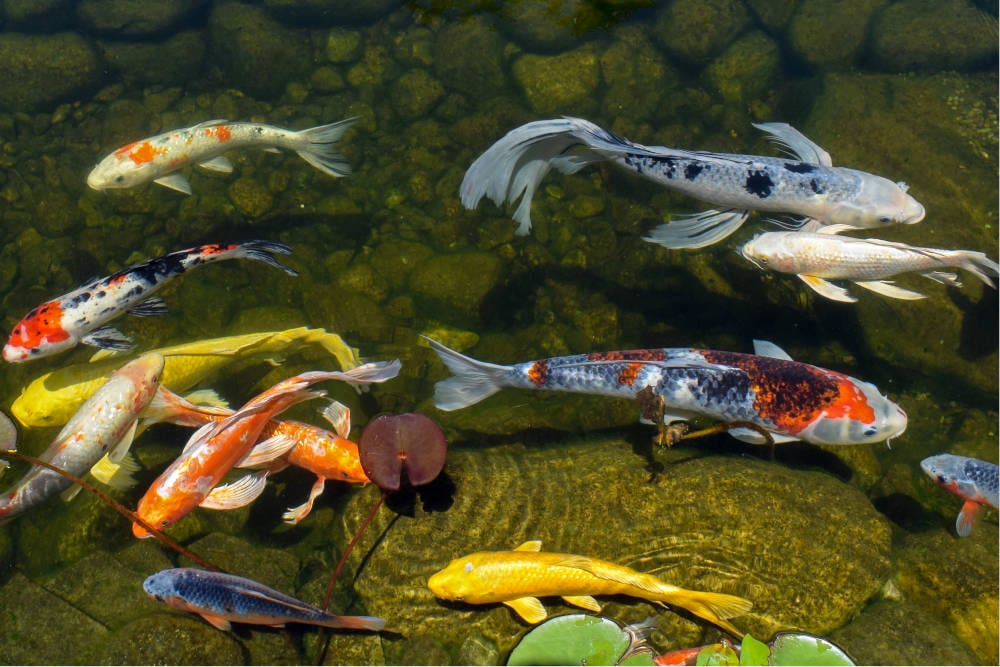
Frequently Asked Questions of goldfish vs koi fish
Are goldfish and koi the same species?
No. Both descend from carp, but they are different varieties with distinct breeding histories, body shapes, and care needs.
Can koi and goldfish live together?
They can, in large, well-filtered ponds. Monitor food competition and disease risks when mixing species.
How long do koi live compared to goldfish?
Koi typically live 25 to 40+ years with excellent care. Goldfish usually live 10 to 20 years, though some reach longer lives.
Do goldfish need a heater?
Goldfish do not usually need a heater; they tolerate cool water. Keep water stable and avoid rapid temperature swings.
What common diseases affect koi that goldfish owners should know?
Koi can face bacterial infections, parasites, and viral diseases like koi herpes. Quarantine and strong biosecurity reduce risk.
How big should a pond be for multiple koi?
A pond of 1,000 gallons or more with 3–4 feet depth is a good starting point for several koi. Bigger is better for growth and water stability.
Is it hard to keep koi as a beginner?
Koi require more experience than goldfish due to size, filtration needs, and long-term commitment. Start with goldfish to learn water management if you are new.
Conclusion
Goldfish vs koi fish both bring beauty and joy, but they suit different owners. Goldfish are forgiving and great for aquariums or small ponds. Koi reward long-term care with stunning size and longevity but demand space, filtration, and commitment. Use the checklists above, start with solid filtration, quarantine new fish, and test water often. If you want a low-cost start, choose goldfish; if you want a long-term outdoor centerpiece, plan a koi pond and commit. Try one step at a time, and share your experiences—leave a comment, subscribe for more care guides, or explore local clubs to learn from fellow keepers.
