
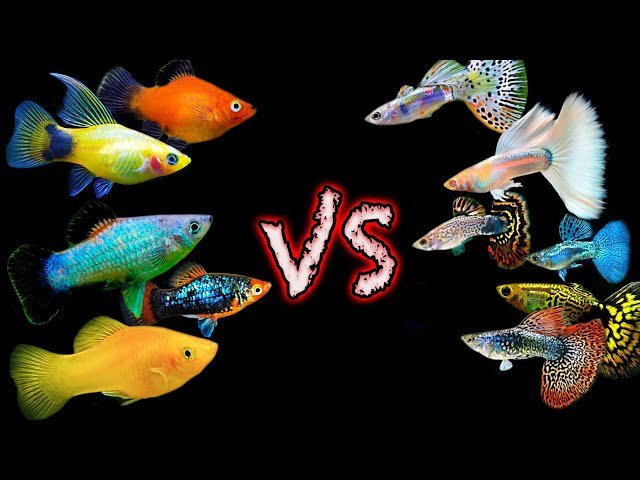
Guppies are smaller and flashier; platies are stockier, calmer, and easier for beginners.
I have kept both guppy vs platy fish in home tanks for years. I focus on their care, behavior, breeding, and how to pick the right fish for your tank. This guide compares guppy vs platy fish with clear facts, real experience, and practical tips. Read on to learn which livebearer fits your tank and lifestyle.
Overview: what guppy vs platy fish are
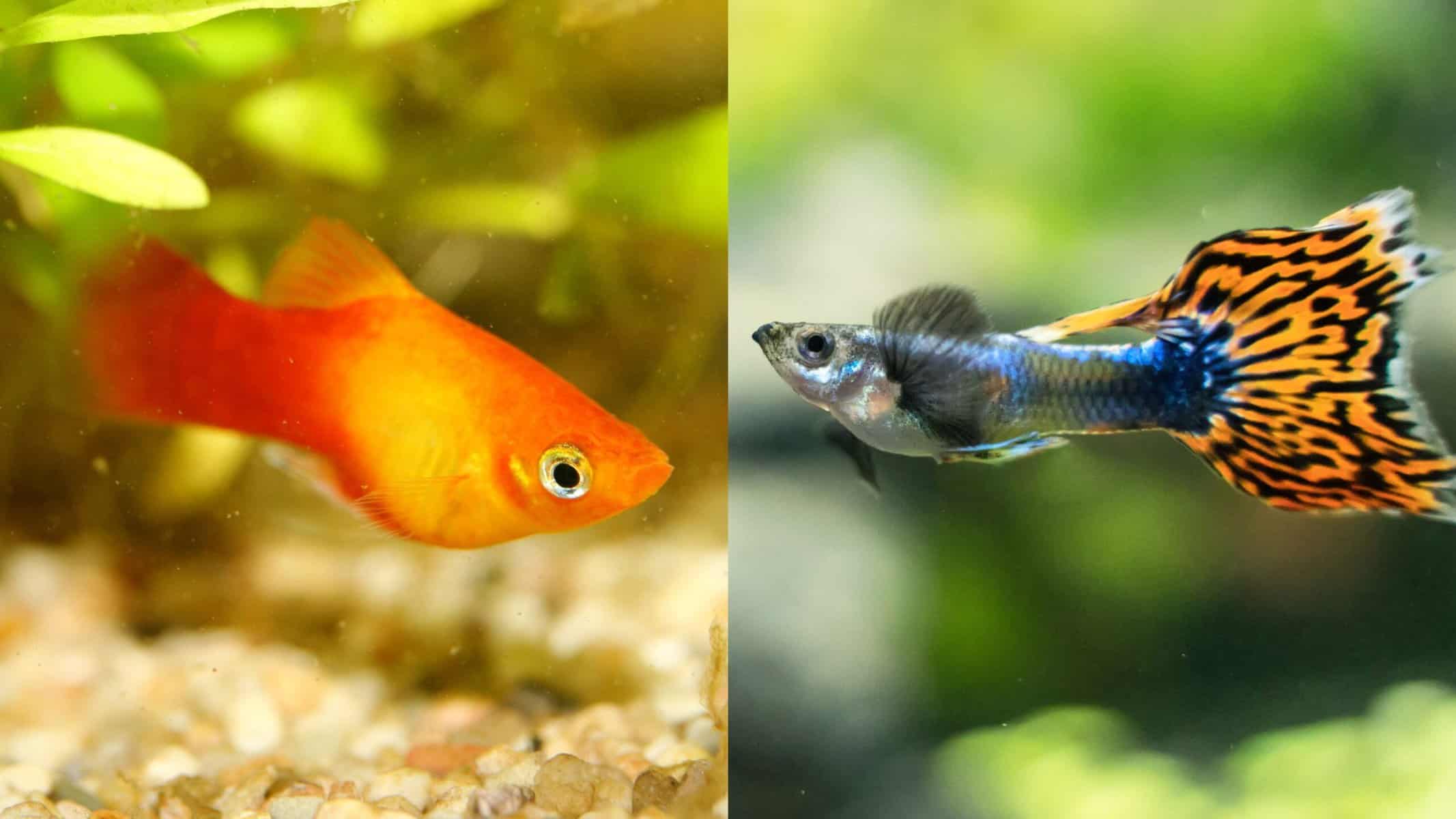
Guppy vs platy fish are two popular livebearing tropical fish. Both come from the Poeciliidae family and thrive in community tanks. Guppies are Poecilia reticulata. Platies are in the Xiphophorus group, commonly Xiphophorus maculatus. Both are bred into many colors and patterns. They share some care needs but differ in size, shape, and behavior.
Appearance and size differences
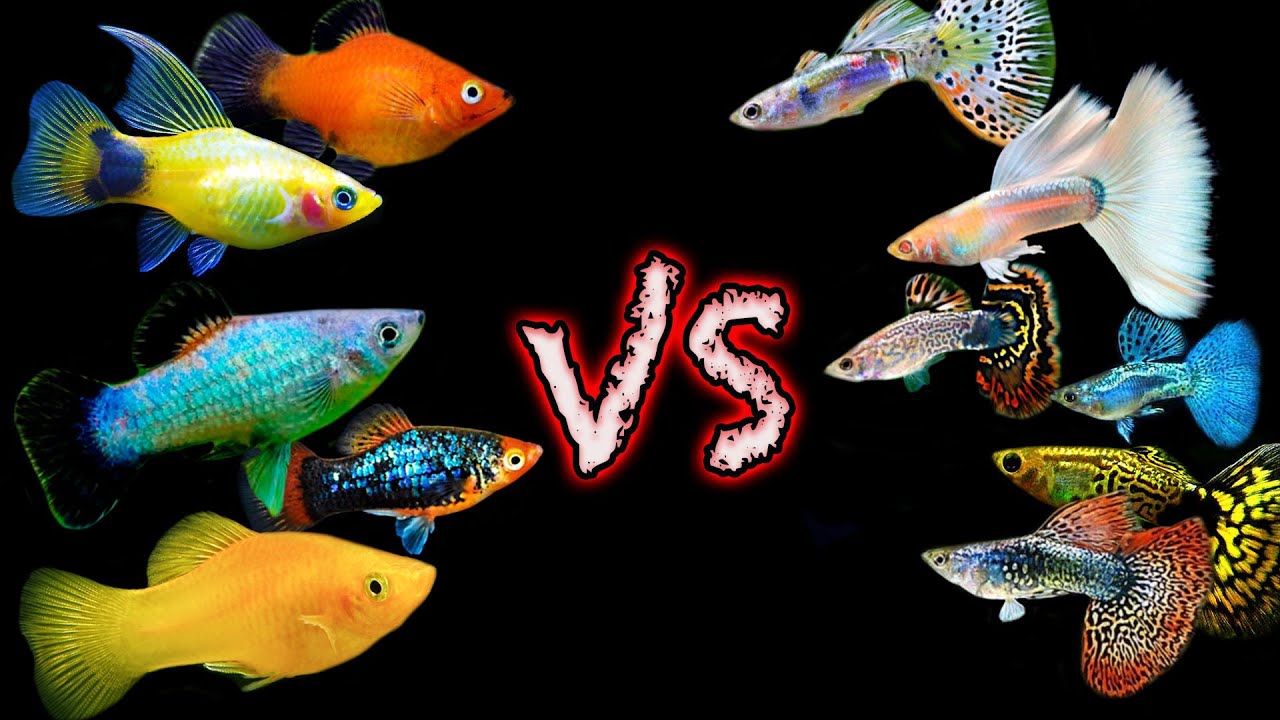
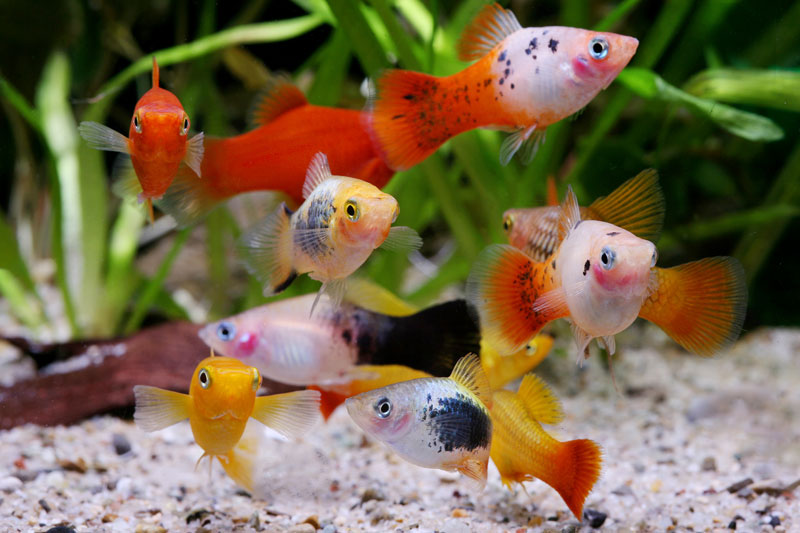
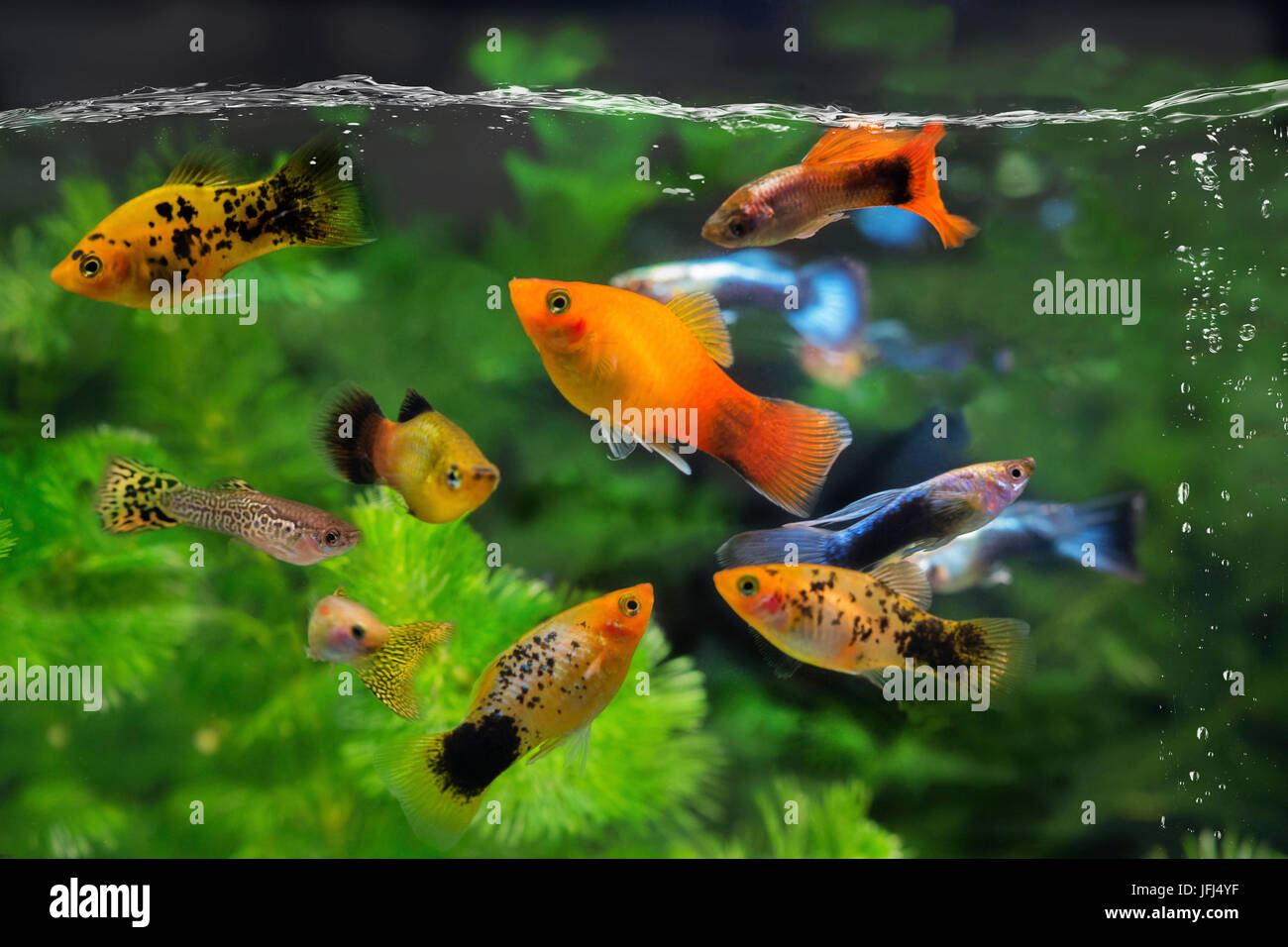
Guppy vs platy fish look different at a glance. Guppies are slim with large, flowing tails. Males show brighter, varied colors. Females are plainer and larger than male guppies. Platies are stockier and more rounded. Their tails are shorter and fan-shaped. Color can be vivid in platies too. Size range helps tell them apart. Guppies usually reach 1.5 to 2 inches. Platies grow to 2 to 3 inches. Size influences tank choices and community pairings.

Tank and care requirements
Guppy vs platy fish have similar water needs. Both prefer stable tropical conditions. Aim for these parameters:
- Temperature range: 72–78°F for both species.
- pH range: 6.8–8.0, with gentle stability preferred.
- Tank size: 10 gallons minimum for a small group; 20+ gallons for mixed groups.
- Filtration: gentle flow and biological filtration are best.
Feed both species a varied diet. Use high-quality flakes, pellets, and occasional live or frozen foods. Water changes of 20–30% weekly keep tanks healthy.

Behavior and compatibility
Guppy vs platy fish are peaceful schooling fish. Both do well in community tanks with nonaggressive tankmates. Guppies can be more active and showier. Males may nip fins during mating displays but rarely harm other fish. Platies are calm and less likely to chase. Both species appreciate plants, hiding spots, and open swim areas. For best results:
- Keep groups with more females than males to reduce stress.
- Avoid large, aggressive cichlids or fin-nippers.
- Pair with tetras, rasboras, and peaceful catfish.
Breeding and genetics
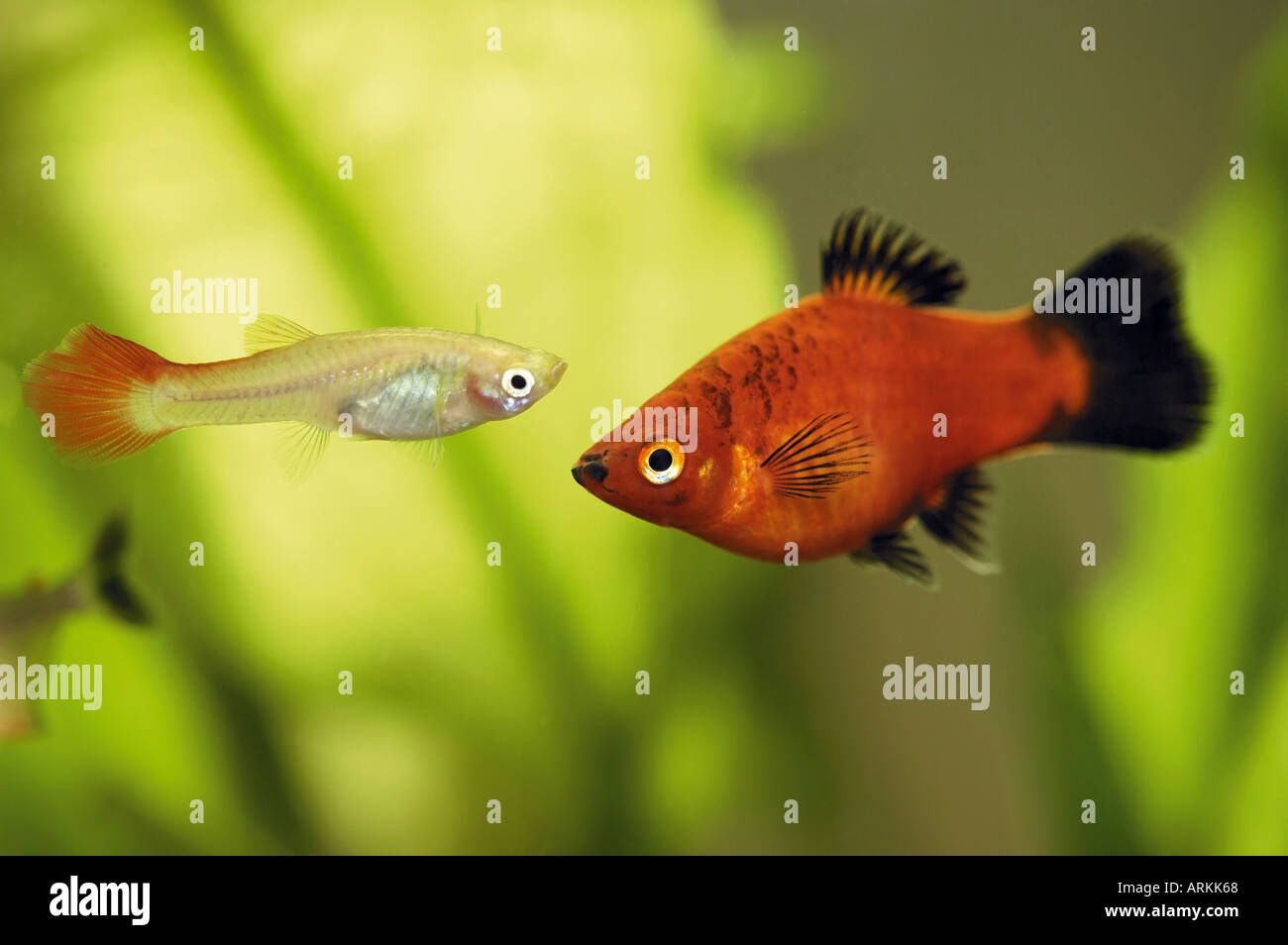
Guppy vs platy fish are prolific livebearers. Females give birth to free-swimming fry. This makes breeding easy, even by accident. Guppy males are very colorful and compete for mates. Platies show less extreme sexual dimorphism. Basic breeding notes:
- Gestation is about 21–30 days.
- Female guppies can store sperm and produce several broods.
- Separate fry or provide dense plants for survival.
From my tanks, guppy fry appear more numerous but smaller. Platy fry are hardier in mixed tanks. If you want selective breeding, set aside a breeding tank and monitor genetics closely.

Health, lifespan, and common issues
Guppy vs platy fish share common tropical fish health risks. Typical problems include ich, fin rot, and internal parasites. Good water quality prevents most issues. Lifespan varies by care and strain.
- Guppies typically live 1.5 to 3 years.
- Platies often live 2 to 4 years.
Watch for lethargy, loss of appetite, or clamped fins. Quarantine new fish for two weeks. I once lost a small guppy group from rapid temperature swings. Now I use a reliable heater and monitor daily.
Choosing between guppy vs platy fish: which to pick
Deciding guppy vs platy fish depends on your goals and experience. Consider these points:
- Beginner-friendly: platies are slightly easier and hardier.
- Color and show: guppies offer extreme color variety and tail shapes.
- Breeding control: both breed fast; platies are easier to manage in numbers.
- Tank mates: both are compatible with most peaceful species.
- Space: guppies fit small aquariums well; platies like a bit more room.
If you want flashy males and fast variety, choose guppies. If you want steady, calm community fish, pick platies. I prefer platies for planted community tanks and guppies for small, colorful displays.
PAA-style questions with short answers:
- Are guppies or platies better for a small tank? Platies grow a bit larger, but both can live in a 10-gallon tank if numbers stay low and care is good.
- Will guppies and platies crossbreed? They rarely hybridize naturally, but crossbreeding can happen in some mixes and is generally discouraged.
- Which species is more aggressive? Neither is truly aggressive; guppies can be more active during mating, while platies are calmer.

Practical tips and common mistakes from my experience
Small steps save many fish. From my years with guppy vs platy fish I learned key lessons:
- Avoid overfeeding. It causes pollution and disease.
- Quarantine new additions. It prevents outbreaks.
- Keep water stable. Rapid swings stress livebearers.
- Provide hiding spots. Fry survival improves with plants.
- Balance male-to-female ratio. Too many males stress females.
A mistake I made was adding too many fry to a community tank. Mortality rose and water quality suffered. Now I move fry to a grow-out tank early.
Advanced care and breeding tips
If you want to breed selectively, watch genetics and health closely. Tips that helped my breeding success:
- Select healthy, energetic parents with clear fins.
- Keep breeding pairs or small groups in a 10–20 gallon tank.
- Feed high-protein foods like mysis shrimp for stronger fry.
- Use frequent small water changes to maintain quality.
- Consider sponge filters to protect fry from being sucked into machinery.
These steps improve survival and allow you to select for color or finnage responsibly.
Frequently Asked Questions of guppy vs platy fish
Are guppies or platies easier for beginners?
Both are beginner friendly, but platies are slightly hardier and forgiving of minor water changes and temperature variations.
Can guppies and platies live together?
Yes. Guppy vs platy fish make good tank mates when numbers and male-to-female ratios are balanced and tankmates are peaceful.
How often do they breed?
Both species breed frequently. Females can give birth every 3–4 weeks under good conditions.
Do they need live plants?
Plants help both species. Live plants provide hiding places for fry and improve water stability, but are not strictly required.
What should I feed guppy vs platy fish?
Feed a varied diet: quality flakes or pellets, plus frozen or live foods like brine shrimp and daphnia for protein and color enhancement.
Conclusion
Guppy vs platy fish both shine as accessible, colorful livebearers. Guppies bring showy color and active displays. Platies bring calm, hardiness, and steady community presence. Choose based on tank size, breeding goals, and the look you want. Start with a small group, keep water stable, and feed a varied diet. Try one species first, then add the other once you master basic care. If you found this guide helpful, subscribe for more tank tips or leave a comment with your guppy vs platy fish questions.
