
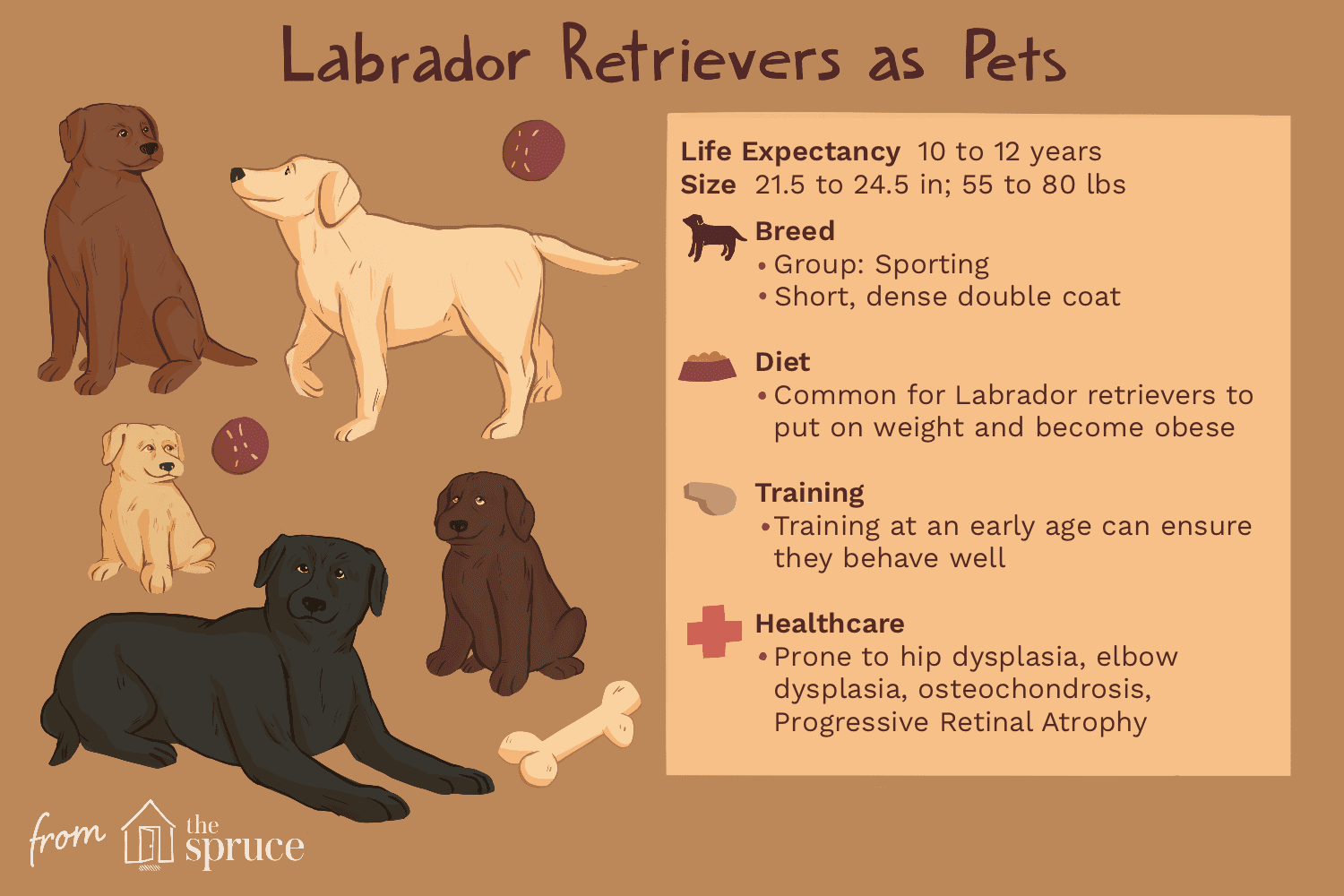
The Labrador Retriever breed characteristics and standards describe more than physical looks. They explain the qualities that make a Labrador a reliable family companion, hunting partner, and service dog. In the United States, Labs remain popular because they adapt well to active households and many types of work.
When studying the Labrador Retriever breed characteristics and standards, I focus on balance. A good Labrador should not only look correct but also show confidence, willingness to learn, and the natural retrieving instinct the breed was created for.
Physical characteristics of the Labrador Retriever
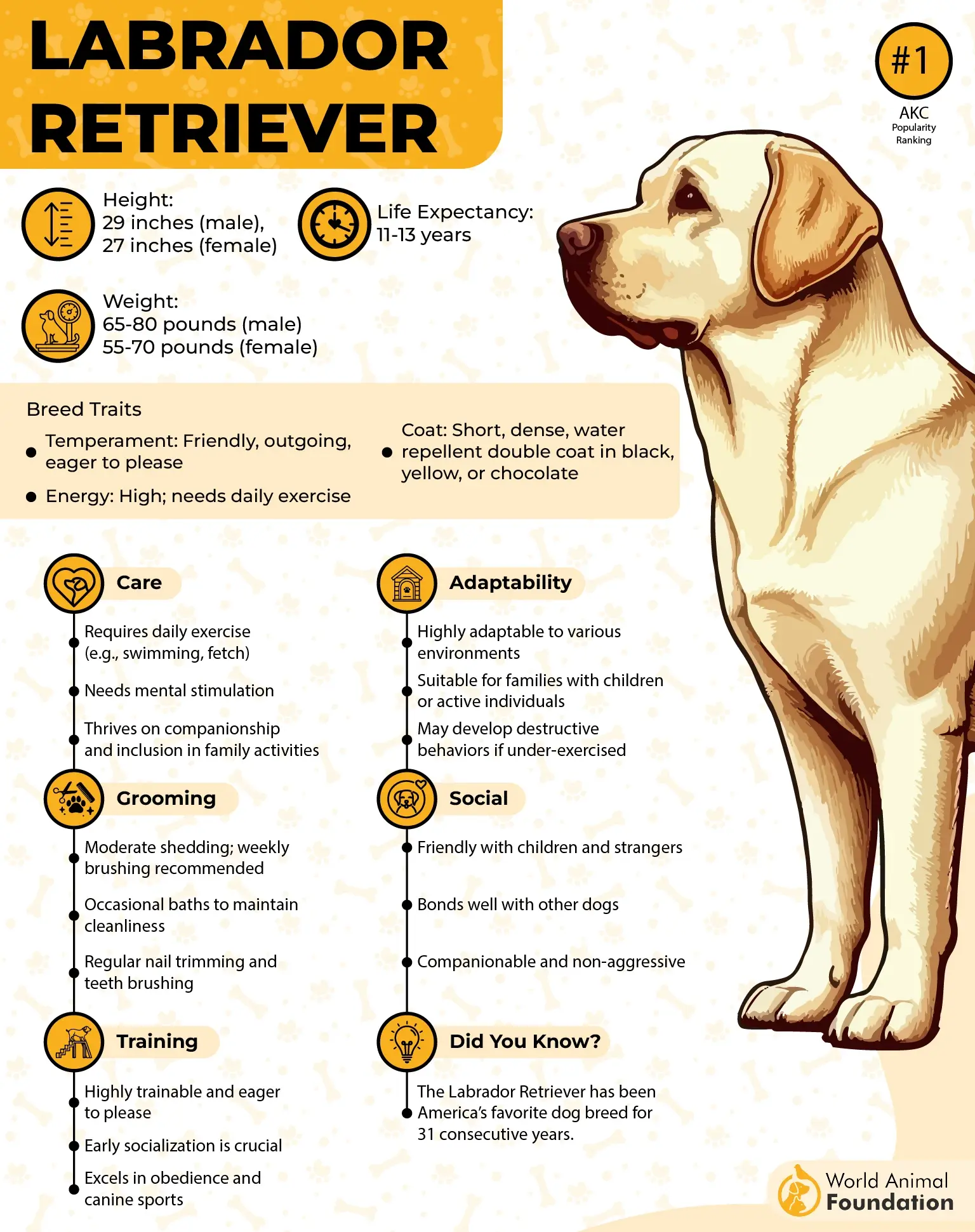
The Labrador Retriever breed characteristics and standards define a powerful but balanced dog. The breed should have a broad head, strong neck, deep chest, and a muscular body without appearing heavy.
A Labrador should look ready for work. Its structure supports swimming, running, carrying objects, and long periods of activity.

- ✦ Size
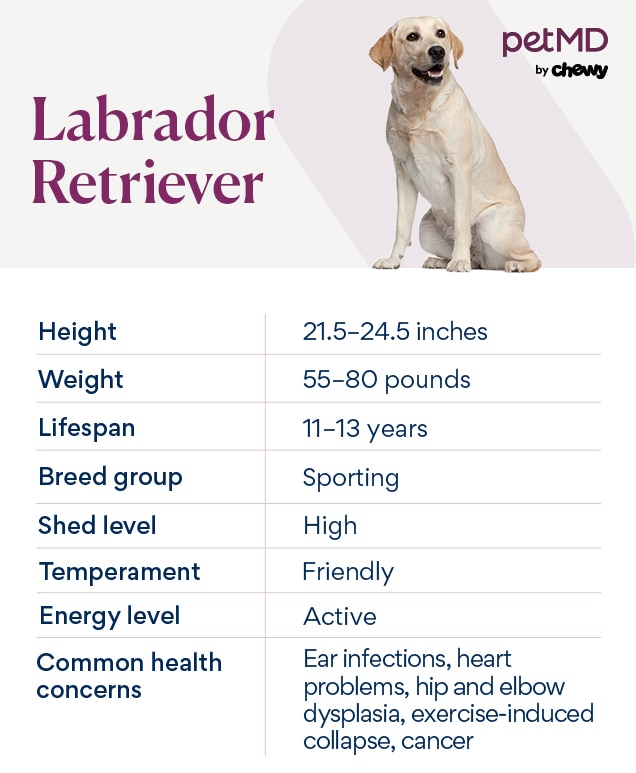
Adult Labradors are medium to large dogs. Males are generally taller and heavier than females, but both should maintain athletic proportions.
- ✦ Body shape
The ideal Labrador has a strong back, well-developed rear muscles, and a balanced frame that supports efficient movement.
- ✦ Head and expression
The breed standard values a friendly expression, broad skull, and kind eyes that show intelligence and good nature.
Coat colors and coat quality
Labradors have a short, dense double coat. The outer coat helps protect the dog from water, while the soft undercoat provides insulation.
Accepted coat colors include black, yellow, and chocolate. Small variations may occur, but responsible breeding follows recognized standards.
- ✦ Black Labrador
A solid black coat is one of the classic colors recognized for the breed.
- ✦ Yellow Labrador
Yellow shades can range from pale cream to deeper golden tones.
Labrador Retriever temperament and personality standards
The Labrador Retriever breed characteristics and standards place major importance on temperament. A correct Labrador should be friendly, outgoing, and willing to cooperate with people.
Aggressive or overly fearful behavior is not considered typical for a well-socialized Labrador. Early training helps puppies develop calm and reliable habits.
- ✦ Friendly nature
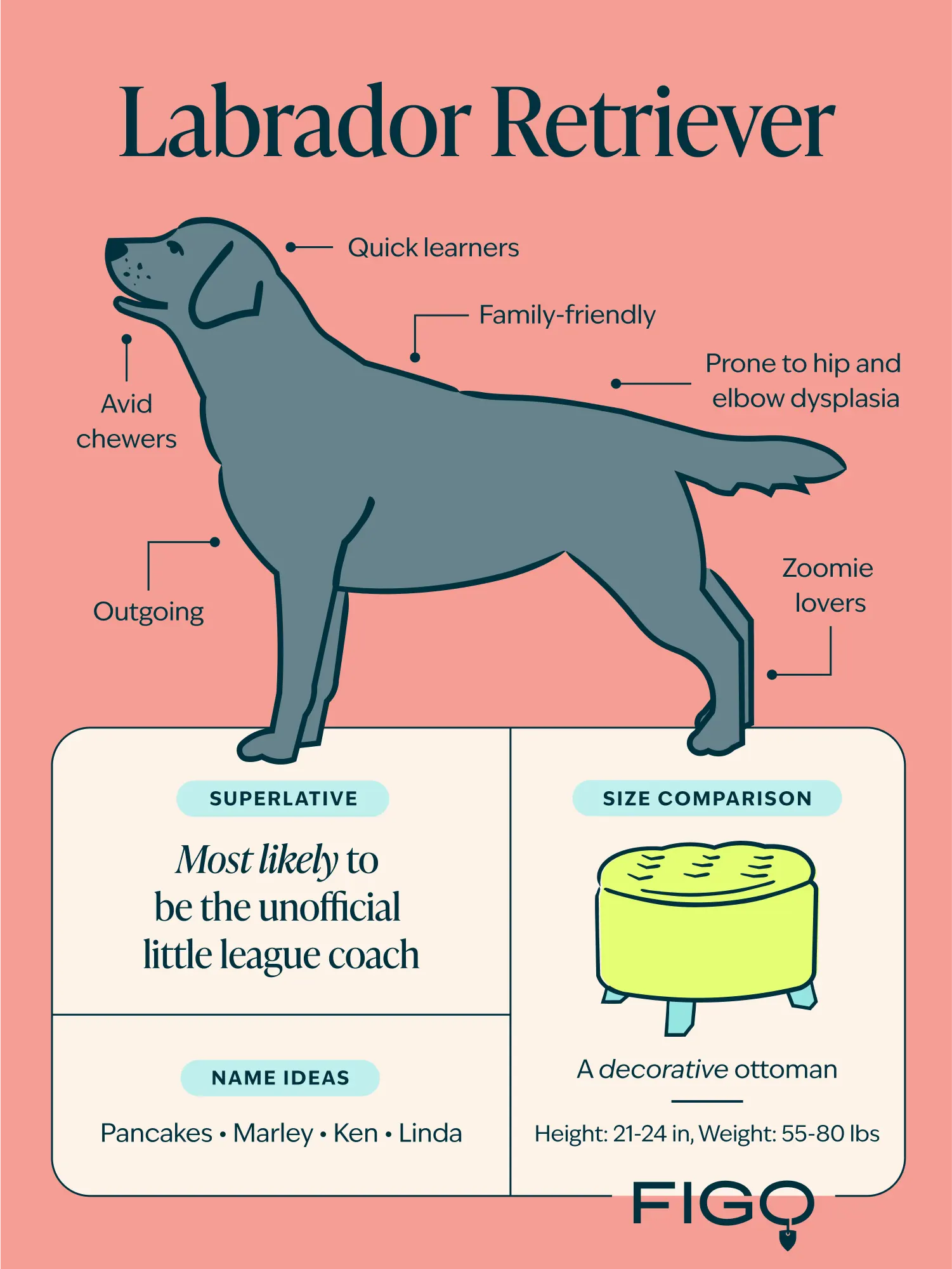
Labs are known for their social attitude and ability to form strong bonds with families.
- ✦ Intelligence
Their ability to learn commands makes them useful as service dogs, therapy dogs, and working companions.
- ✦ Energy level
Most Labradors need regular exercise because they were developed as active sporting dogs.
Working ability and retrieving instinct
The Labrador Retriever was developed to retrieve game from land and water. This history explains its love for fetching, swimming, and carrying objects.
Modern Labradors may live as family pets, but the original working traits remain important parts of the breed.
- ✦ Natural retriever
Labs often enjoy carrying toys, balls, and other safe objects.
Official Labrador Retriever breed standards for movement and structure
The Labrador Retriever breed characteristics and standards evaluate how the dog moves as well as how it looks. Good movement should appear smooth, powerful, and efficient.
A correctly built Labrador uses its front and rear legs together with strong balance. Poor structure can reduce comfort and working ability.
- ✦ Movement
The ideal Labrador moves freely with good reach in the front and strong drive from the rear.
- ✦ Tail
The famous otter tail is thick at the base and helps the dog swim with control.
- ✦ Feet
Strong, compact feet support outdoor activity and water work.
Why structure matters for owners
Correct structure is not only for dog shows. It affects comfort, stamina, and the ability to enjoy daily activities such as hiking and swimming.
- ✦ Daily life benefit
Balanced Labradors often handle active family routines more comfortably.
Health, grooming, and care requirements
Understanding Labrador Retriever breed characteristics and standards also includes responsible care. A Labrador needs proper nutrition, exercise, grooming, and routine veterinary attention.
Their short coat is easy to maintain, but Labradors shed throughout the year. Regular brushing helps control loose hair.

- ✦ Exercise needs
Daily walks, play sessions, and training games help keep Labradors physically and mentally healthy.
- ✦ Grooming
Weekly brushing, ear checks, and nail care support good hygiene.
- ✦ Health awareness
Owners should work with veterinarians and breeders who follow responsible health practices.
Choosing a Labrador puppy
A responsible breeder focuses on temperament, structure, and health rather than appearance alone. Buyers should ask about health testing and puppy socialization.
- ✦ Responsible breeding
Good breeding programs aim to preserve the Labrador Retriever breed characteristics and standards.
