
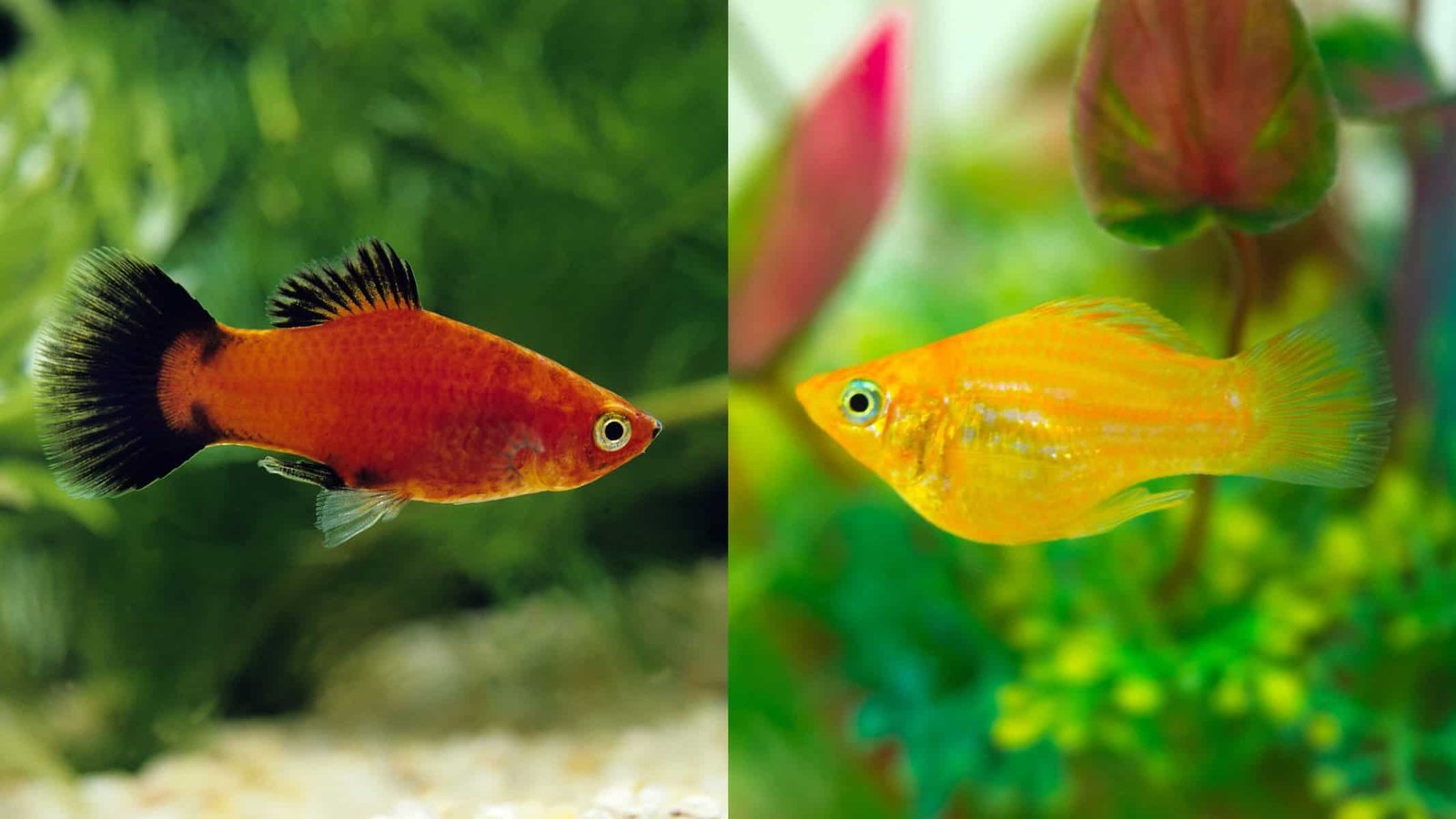
Molly vs platy fish: Mollies are larger and thrive in harder, sometimes brackish water; platies are smaller and more peaceful.
I’ve kept both molly vs platy fish for years, bred them, and helped friends set up tanks for each. This guide draws on hands-on experience and research to compare behavior, care needs, breeding, health, and tank setup. Read on to learn which fish fits your tank, budget, and lifestyle, and get practical tips to succeed with either species.
Overview: molly vs platy fish — quick comparison and basics
Molly vs platy fish are both freshwater livebearers in the family Poeciliidae. They share many traits: easy feeding, live young, and bright colors. Key differences include size, preferred water hardness, and activity levels. If you want a calm community fish, platies often fit better. If you want variety in size and the option for brackish setups, mollies stand out.

Appearance and varieties
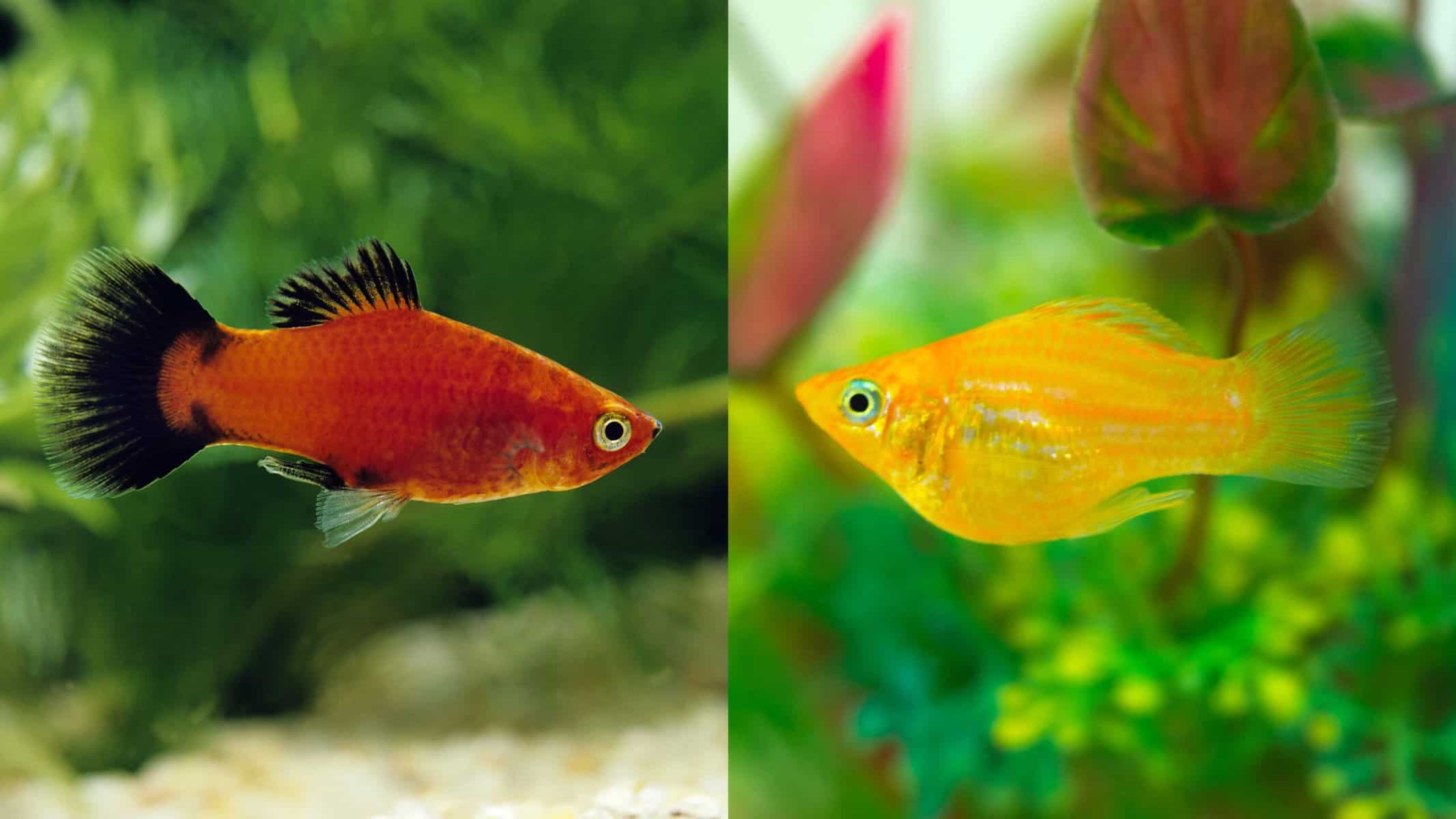
Molly vs platy fish look similar to casual observers, but details matter. Mollies often grow larger and have a thicker body. They come as sailfin mollies, black mollies, and dalmatian patterns. Platies are compact and come in swordtail-like red and yellow mixes, tuxedo patterns, and many designer strains.
- Molly appearance
- Larger body, sometimes up to 3.5–4 inches.
- Varied fins, especially sailfin varieties with tall dorsal fins.
- Color range includes black, silver, dalmatian, and marble.
- Platy appearance
- Smaller body, typically 1.5–2.5 inches.
- Shorter fins, stockier look.
- Colors include red, orange, yellow, and calico mixes.

Behavior and temperament
When weighing molly vs platy fish, temperament is a big factor. Platies are generally calm and social. Mollies can be lively and sometimes chase fins during breeding season.
- Social tendencies
- Both do best in groups of 5 or more to reduce stress.
- Platies are steady community members with less chasing.
- Mollies can show dominance displays, especially males.
- Compatibility
- Both mix well with tetras, rasboras, and peaceful catfish.
- Avoid small, delicate species that might get nipped by excited mollies.

Tank setup and water parameters
Choosing molly vs platy fish affects your tank choices. Both are adaptable, but mollies prefer harder, more alkaline water and tolerate a bit of brackishness. Platies do well in typical community tank conditions.
- Tank size
- Platy: minimum 10-gallon for a small group.
- Molly: minimum 20-gallon recommended for larger varieties and active males.
- Water chemistry
- Temperature: 72–78°F works for both species.
- pH: platies 7.0–8.2; mollies 7.5–8.5.
- Hardness: mollies prefer harder water; platies tolerate soft to hard.
- Filtration and plants
- Strong filter for stable water quality.
- Live plants and hiding spots help fry survival and reduce stress.
Practical tip from my experience: when I mixed mollies and platies in a smaller tank, the mollies’ activity stressed the platies. A larger tank with dense planting solved the issue.

Diet and feeding
Molly vs platy fish are omnivores. Both accept flakes, pellets, and live or frozen foods. Varied diets lead to vibrant colors and better health.
- Core diet
- High-quality flake or micro-pellet daily.
- Vegetables: blanched spinach, zucchini, or algae wafers a few times weekly.
- Protein: brine shrimp, daphnia, or bloodworms as treats.
- Feeding tips
- Feed small amounts 1–2 times daily.
- Avoid overfeeding; uneaten food pollutes water.
From my tanks: mollies appreciated extra vegetable matter and showed brighter color when fed spirulina flakes.

Breeding and reproduction
Both molly vs platy fish breed easily. They are livebearers, meaning females give birth to free-swimming fry.
- Breeding basics
- Males fertilize females with a gonopodium.
- Gestation ranges from 21 to 35 days, depending on temperature and species.
- A single female can produce 20–100 fry.
- Fry care
- Provide dense plants or a breeding box to protect fry.
- Feed newly hatched brine shrimp or crushed flakes.
- Notes on hybridization
- Mollies and platies can interbreed in some circumstances. Hybrids occur and may dilute species traits, so keep pure strains separate if you care about lineage.
My lesson learned: separate pregnant females to a breeder net once I see the gravid spot. That boosted fry survival dramatically.

Health, common diseases, and lifespan
Molly vs platy fish share common health issues. Good water and diet prevent most problems.
- Typical lifespan
- 2–5 years with proper care.
- Common diseases
- Ich, fin rot, and dropsy can affect both species.
- Mollies may be more sensitive to poor water quality.
- Prevention and care
- Regular water changes and monitoring ammonia, nitrite, and nitrate.
- Quarantine new fish for 2 weeks to avoid introducing disease.
Personal note: I lost a small molly group once to poor cycling after a filter change. Now I always cycle and do gradual filter maintenance.

Cost, availability, and community appeal
Both molly vs platy fish are affordable and widely available. Platies are often cheaper for beginners. Mollies can be slightly more expensive, especially rare color morphs.
- Availability
- Both found at local pet stores and online breeders.
- Price factors
- Designer strains and rare colors cost more.
- Bulk purchases lower per-fish cost.
- Community use
- Platies fit low-maintenance community tanks well.
- Mollies add visual interest with larger fins and active behavior.
Choosing between molly vs platy fish: a quick decision guide
Use these quick checks to pick the right fish for your tank:
- Choose platies if:
- You want a peaceful, small community fish.
- You keep a small tank 10–20 gallons.
- You prefer steady, low-maintenance behavior.
- Choose mollies if:
- You have a larger tank and want active, larger fish.
- You can maintain slightly harder, alkaline water.
- You enjoy variety in fin shapes and colors.
Practical care checklist for new owners
A compact list to get started with either molly vs platy fish.
- Tank and equipment
- Minimum tank: platy 10 gallons, molly 20 gallons.
- Good filter, heater, and cover.
- Water setup
- Temperature 72–78°F, stable pH 7.0–8.5.
- Partial water changes 20–30% weekly.
- Feeding and health
- Balanced diet: flakes, veg, occasional protein.
- Observe for lethargy, clamped fins, or white spots.
- Social setup
- Keep groups with more females than males to reduce male harassment.
- Provide plants and hiding spots for fry and shy fish.
PAA-style questions
What water conditions do mollies need compared to platies?
- Mollies prefer harder, more alkaline water and can tolerate low brackish levels, while platies do well in neutral to slightly alkaline freshwater.
Can mollies and platies live together?
- Yes, they can share a tank if it’s large enough and water parameters match both species’ needs. Watch for territorial males and provide hiding spots.
How quickly do molly vs platy fish breed?
- Both breed fast; females can produce multiple broods a month under ideal conditions. Plan for fry management.
Frequently Asked Questions of molly vs platy fish
Are mollies or platies better for beginner aquarists?
Both are beginner-friendly, but platies are slightly easier due to calmer behavior and lower sensitivity to water hardness.
Can molly and platy fry be raised together?
Yes, fry can be raised together if there’s plenty of cover and small food like baby brine shrimp; expect higher predation without cover.
Do mollies require salt in the tank?
Mollies may benefit from a small amount of aquarium salt in some setups, but it is not always necessary and should be used carefully.
How many mollies or platies should I keep in a 20-gallon tank?
A 20-gallon tank can house around 6–8 platies or 4–6 mollies comfortably, depending on filtration and stocking of other species.
Will mollies or platies eat my plants?
Both may nibble on soft plant leaves occasionally, but healthy plants and supplemental veggies reduce this behavior.
Conclusion
Molly vs platy fish both make excellent choices for home aquariums. Platies suit smaller tanks and peaceful community setups, while mollies offer larger size, striking fins, and the option of brackish care. My personal tip: match water chemistry first, then pick the species whose behavior and appearance you enjoy. Try a small group, monitor water, and adjust diet and tank layout as needed. Share your experiences in the comments, subscribe for more fish care guides, or try a starter tank with platies or mollies this month.
