
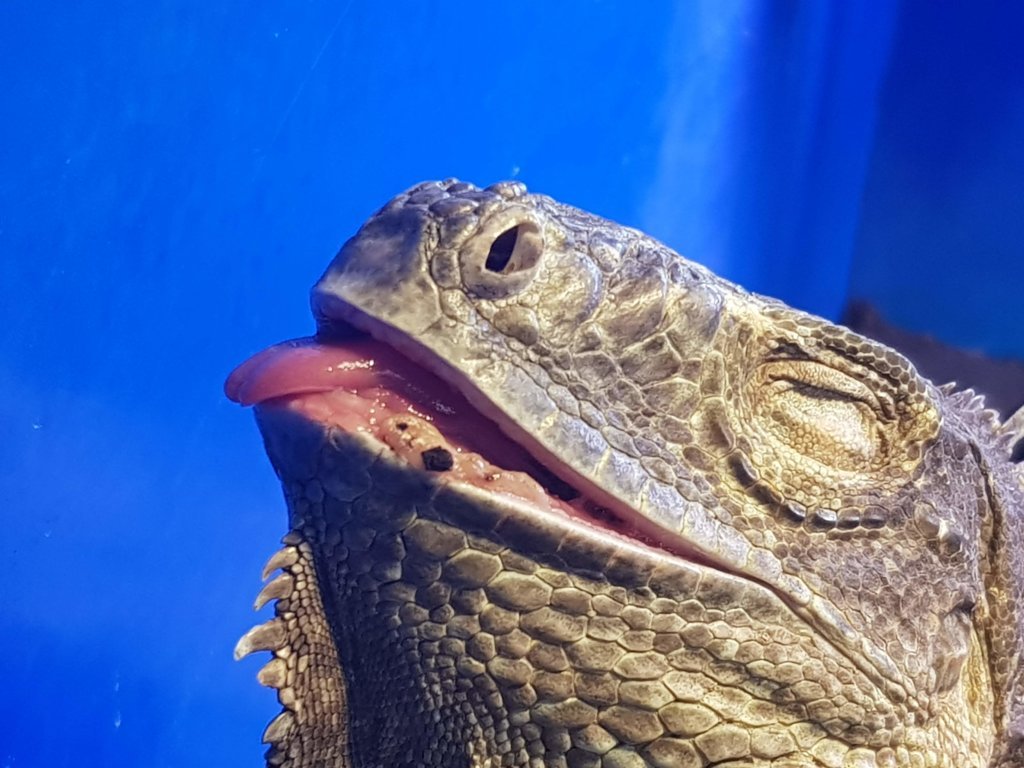
Reptile mouth rot is a bacterial infection causing sores, swelling, and tissue damage in reptiles.
I have cared for snakes and lizards for over a decade and treated mouth rot cases in clinic and at home. This guide explains what reptile mouth rot looks like, why it happens, how vets diagnose it, and clear steps you can take to treat and prevent it. Read on to learn practical, experience-backed advice to protect your pet and spot trouble early.
What is reptile mouth rot?
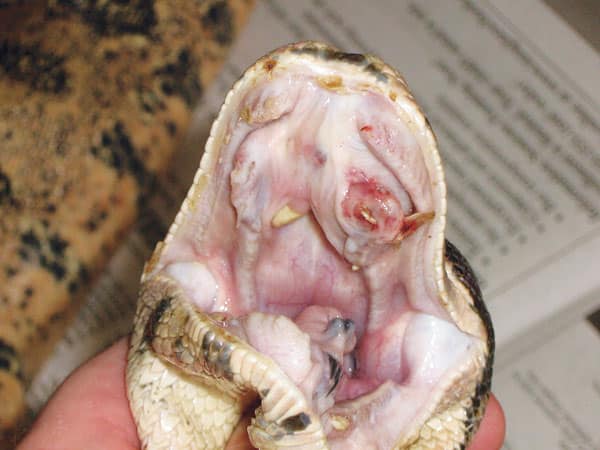
Reptile mouth rot refers to infection and inflammation of the mouth and gums in reptiles. It includes mild stomatitis to severe necrotic infections that destroy tissue. The condition can affect snakes, lizards, turtles, and crocodilians.
Reptile mouth rot is usually bacterial. It often follows injury, poor husbandry, or immune stress. Left untreated, it can spread to deeper tissues or the bloodstream and become life-threatening.
Causes and risk factors
Reptile mouth rot has several common causes and risk factors.
- Poor habitat hygiene. Dirty enclosures raise bacterial loads and irritate the mouth.
- Low temperatures. Cold or fluctuating temps reduce immune response and healing.
- Improper diet. Hard or sharp food can cut the mouth and invite infection.
- Stress and illness. Recent transport, parasites, or other disease lowers immunity.
- Dental or beak trauma. Broken teeth, stuck substrate, or bites create entry points.
- Opportunistic bacteria. Normal oral bacteria can overgrow when conditions change.
Understanding these factors helps you prevent reptile mouth rot before signs appear.

Symptoms and signs to watch for
Early recognition is key. Look for these signs of reptile mouth rot.
- Swollen or red gums. Inflammation often shows as reddened tissues near the teeth.
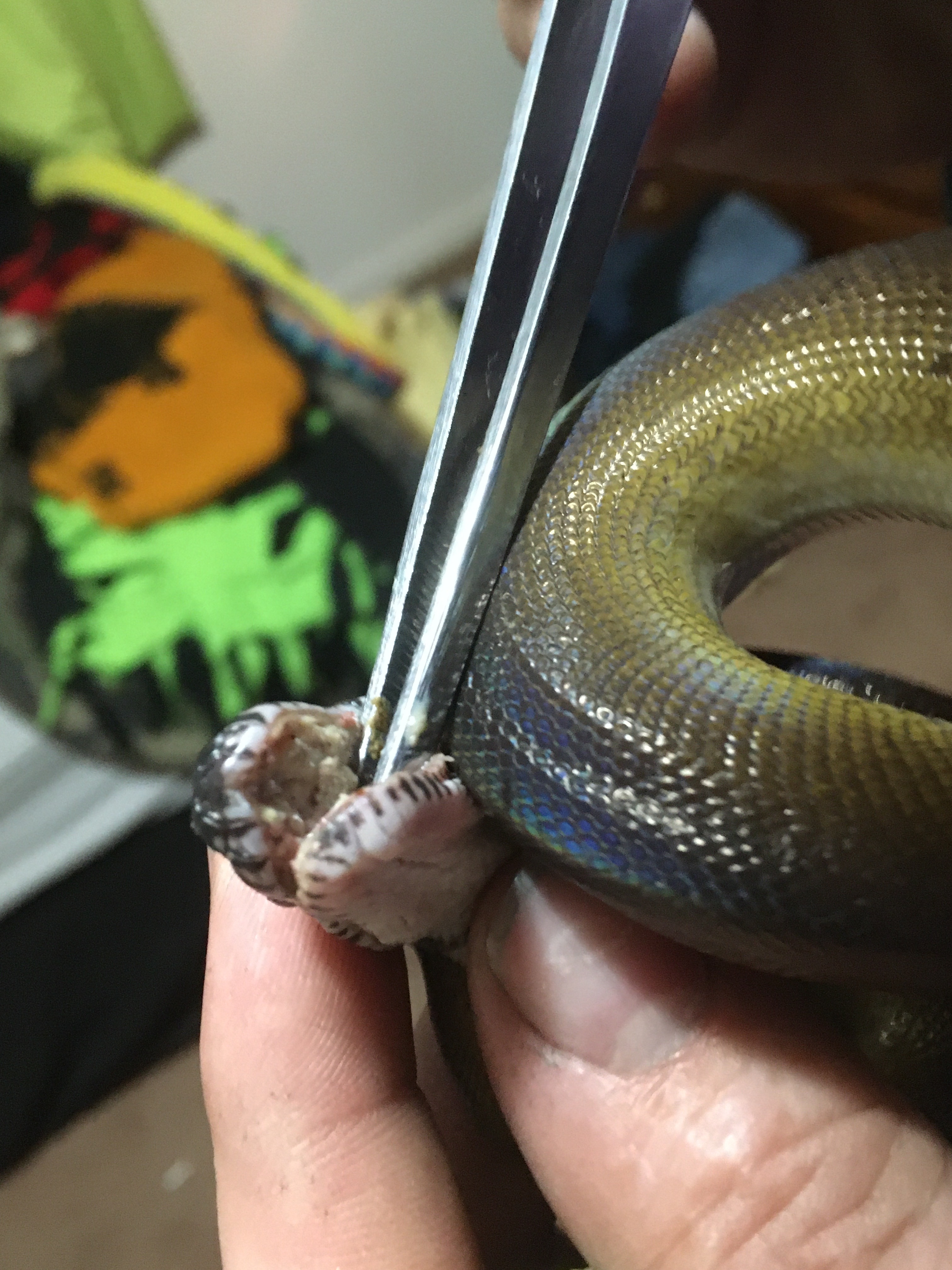
- Discharge from the mouth. Thick yellow, green, or bloody pus is common.
- White or gray patches. Necrotic tissue or slough can form on the tongue or gums.
- Refusal to eat. Pain makes reptiles stop taking food or strike less readily.
- Weight loss and lethargy. Ongoing infection causes weakness and decline.
- Bad breath. Foul odor suggests bacterial overgrowth.
Symptoms can appear gradually. Check your pet’s mouth regularly to catch problems early.
How vets diagnose reptile mouth rot
Diagnosis combines exam, history, and tests.
- Physical exam. The vet inspects the mouth and head, and checks breathing and swallowing.
- Medical history. Notes on temperature, diet, and enclosure help identify causes.
- Cytology and culture. Swabs are examined under a microscope and cultured to identify bacteria and sensitivities.
- Blood work. Tests reveal systemic infection or organ stress.
- Imaging. X-rays or CT scans show deep tissue damage or bone involvement.
Accurate diagnosis guides the right antibiotic and treatment plan.
Treatment options
Treating reptile mouth rot requires a mix of medical care and improved husbandry.
- Systemic antibiotics. Vets choose drugs based on culture results and sensitivity.
- Topical antiseptics. Gentle mouth rinses and medicated gels reduce local bacteria.
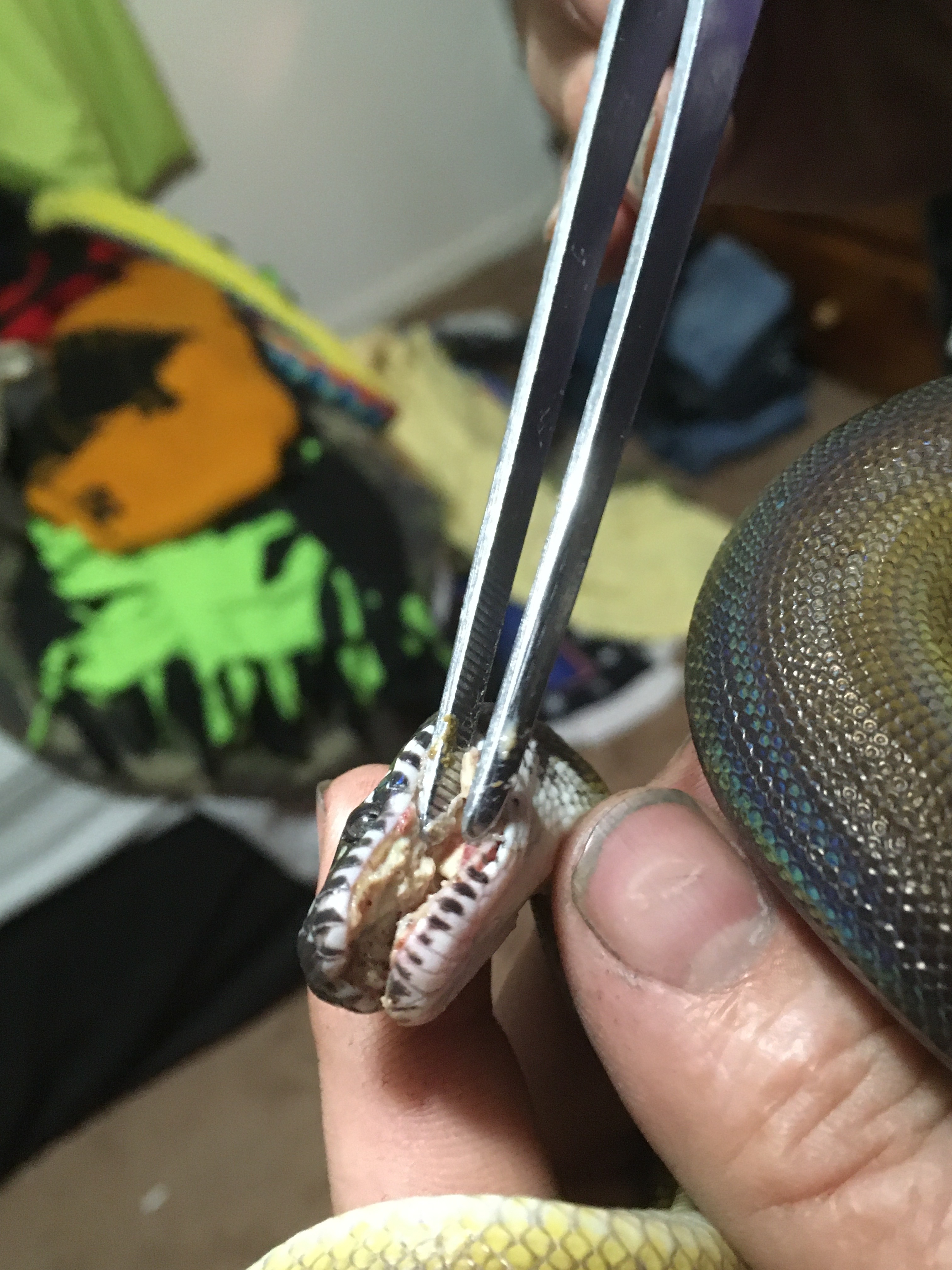
- Debridement. Dead tissue may be removed under anesthesia to speed healing.
- Pain control. Analgesics make feeding and recovery easier.
- Fluid and nutritional support. Fluids and assisted feeding prevent dehydration and weight loss.
- Long courses. Many cases need weeks of antibiotics and follow-up care.
Treatments must be tailored to species and severity. Never give antibiotics without veterinary guidance.
Home care and first aid
If you spot early signs, take prompt, simple steps while you reach a vet.
- Isolate the animal. Keep it in a clean, quiet enclosure to reduce stress.
- Improve temps and humidity. Restore proper thermal gradient for the species.
- Clean the mouth gently. Use saline or veterinarian-approved rinse to remove debris.
- Avoid human antibiotics. Wrong drugs or doses can harm reptiles and mask infections.
- Keep feeding gentle. Offer soft, easy-to-eat prey or meals to reduce pain.
These measures buy time and support vet treatment, but are not substitutes for professional care.
Prevention and husbandry best practices
Good husbandry is the best defense against reptile mouth rot.
- Maintain clean enclosures. Clean and disinfect regularly, and remove waste promptly.
- Provide stable temperatures. Use reliable heating and monitor with accurate thermometers.
- Offer a balanced diet. Feed appropriate food size and texture for your species.
- Regular oral checks. Gently inspect your pet’s mouth weekly for early changes.
- Quarantine new animals. Keep new or sick animals separate for at least 30 days.
- Reduce stressors. Avoid sudden moves, loud noise, and overcrowding.
Simple routine care cuts the risk of mouth rot dramatically.
Recovery, prognosis, and follow-up
Recovery depends on severity and prompt care.
- Mild cases. Many mild infections respond well to treatment and heal fully.
- Severe cases. Deep necrosis or systemic spread can cause long-term problems or death.
- Follow-up care. Rechecks and repeat cultures may be needed to confirm clearance.
- Long-term monitoring. Some reptiles need months of observation after treatment.
Early vet care and improved husbandry give the best chance of full recovery from reptile mouth rot.
Common mistakes owners make
I have seen repeat cases caused by avoidable errors. Here are pitfalls to avoid.
- Using human medications. Human drugs can be toxic and ineffective for reptiles.
- Waiting too long. Delaying vet care makes infection harder to treat.
- Poor temperature control. Underestimating heating needs slows healing.
- Infrequent checks. Owners often miss early signs until the infection worsens.
- Ignoring follow-ups. Stopping antibiotics early can cause relapse and resistance.
Learn from these mistakes. Quick action matters most with reptile mouth rot.
My experience and lessons learned
Years of work with reptiles taught me practical lessons. One bearded dragon I treated had chronic mouth rot after living in a cool garage. After antibiotics, debridement, and moving it to a warm, clean setup, it recovered and began eating within two weeks. The key steps were prompt vet care, accurate dosing, and steady husbandry. I now advise new keepers to build vet contact early and inspect mouths weekly.
These real cases show that consistent care and fast response change outcomes for reptile mouth rot.
Frequently Asked Questions of reptile mouth rot
What causes mouth rot in reptiles?
Mouth rot is usually caused by bacterial infection after injury, stress, or poor husbandry. Low temperature and dirty enclosures are common triggers.
How quickly does mouth rot get worse?
It can worsen over days to weeks. Severe infections may progress fast, so seek care as soon as you see signs.
Can I treat mouth rot at home without a vet?
Home care helps short-term, but you should not skip veterinary care. Proper antibiotics and possible debridement require a vet.
How long does treatment take?
Treatment often lasts several weeks. Full healing and follow-up checks may take one to three months depending on severity.
Will my reptile fully recover?
Many reptiles recover fully with prompt, proper care. Severe or untreated cases can lead to lasting damage or death.
Is mouth rot contagious to other pets or humans?
Mouth rot bacteria are generally species-specific but can spread between reptiles in the same enclosure. Proper hygiene reduces cross-infection risk.
How much does treatment usually cost?
Costs vary by tests and procedures. Basic treatment with exam and meds is modest, while surgery and long-term care increase cost significantly.
Conclusion
Reptile mouth rot is treatable when caught early and managed correctly. Regular checks, stable temperatures, clean enclosures, and quick vet care make the difference. If you suspect mouth rot, act fast: isolate your pet, improve husbandry, and contact a reptile-experienced vet. Your prompt attention can save pain and lives. Share your experiences, ask questions below, or subscribe for more reptile care guides.
