
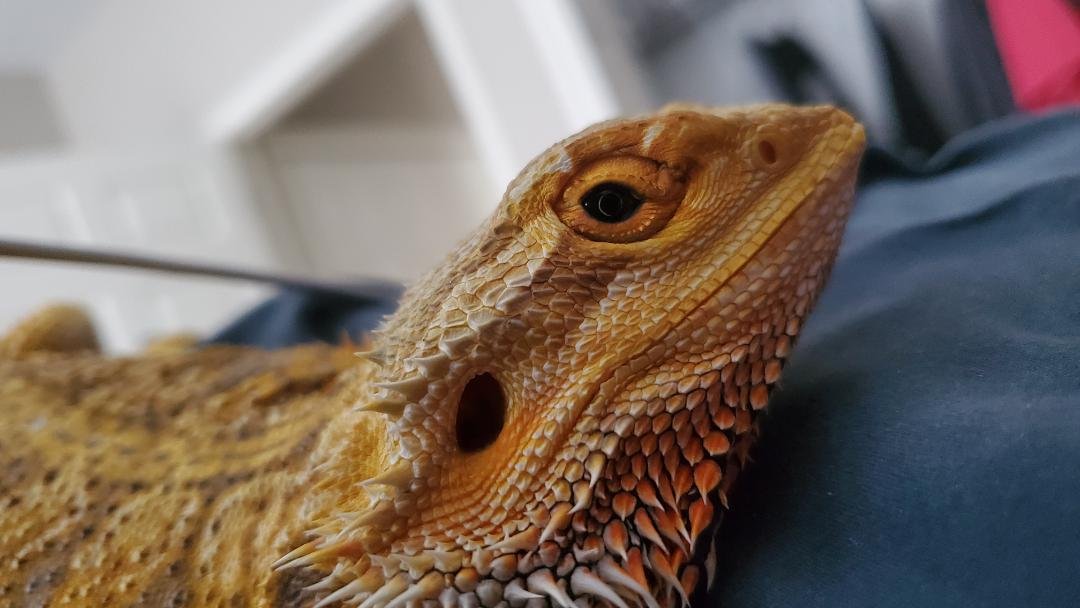
Sunken eyes in reptiles usually signal dehydration, illness, or poor husbandry and need prompt attention.
I have cared for reptiles for over a decade and diagnosed many cases of reptile sunken eyes. This article covers clear causes, signs, diagnosis steps, treatment options, and prevention strategies so you can act with confidence and protect your pet’s health.

Causes of reptile sunken eyes
Reptile sunken eyes arise from several common and overlapping causes. Dehydration is the top cause; reptiles lose moisture from heat, poor drinking setup, or illness. Chronic illness, such as organ disease or parasites, can change fluid balance and shrink the soft tissues around the eye. Mouth or oral problems can reduce food and water intake, indirectly causing reptile sunken eyes. Metabolic or kidney disease reduces the body’s ability to maintain normal fluid levels, which shows early as sunken eyes. Poor enclosure humidity and incorrect temperatures stress the pet and make dehydration and shedding issues more likely.
- Dehydration: reduced water intake, high temps, improper humidity.
- Internal disease: kidney, liver, or metabolic disorders.
- Parasites and infections: systemic or GI parasites, fungal or bacterial illness.
- Oral problems: stomatitis or blocked mouth prevents drinking.
- Husbandry issues: wrong substrate, poor lighting, or lack of water source.

Symptoms and severity of reptile sunken eyes
Sunken eyes can appear different by species and severity. Mild cases show slightly recessed eyes and dull skin. Moderate cases display very recessed eyes, lethargy, reduced appetite, and sticky or thick shed. Severe cases include collapse, weight loss, and organ failure signs. Watch for additional clues that indicate seriousness: dry skin, poor shedding, reduced feces, and weak tail or limbs. Early recognition of reptile sunken eyes improves outcomes.
- Mild signs: slight eye recession, reduced sheen on scales.
- Moderate signs: marked eye recession, appetite loss, sticky shed.
- Severe signs: collapse, major weight loss, obvious systemic illness.

Diagnosis and when to see a vet for reptile sunken eyes
Accurate diagnosis combines history, exam, and simple tests. A vet will check hydration (skin/tongue elasticity), weigh the reptile, evaluate oral health, and palpate the abdomen. Tests may include bloodwork to assess kidney and liver values, fecal parasite checks, and cultures if infection is suspected. Take a clear timeline of symptoms, recent husbandry changes, and photos showing progression. Seek veterinary care promptly if the reptile is very lethargic, not eating, or shows multiple symptoms besides sunken eyes.
People also ask
Can dehydration alone cause reptile sunken eyes?
Yes. Dehydration removes fluid from tissues, making the eyes appear recessed and dull; rehydration often improves the look quickly if no other disease is present.
How fast do reptile sunken eyes get worse?
It varies; dehydration can worsen within 24–72 hours, while organ-related causes may progress more slowly but steadily.
Should I give fluids at home for reptile sunken eyes?
You can offer water and soaking soaks as a first step, but prolonged or severe cases require veterinary subcutaneous or intravenous fluids.
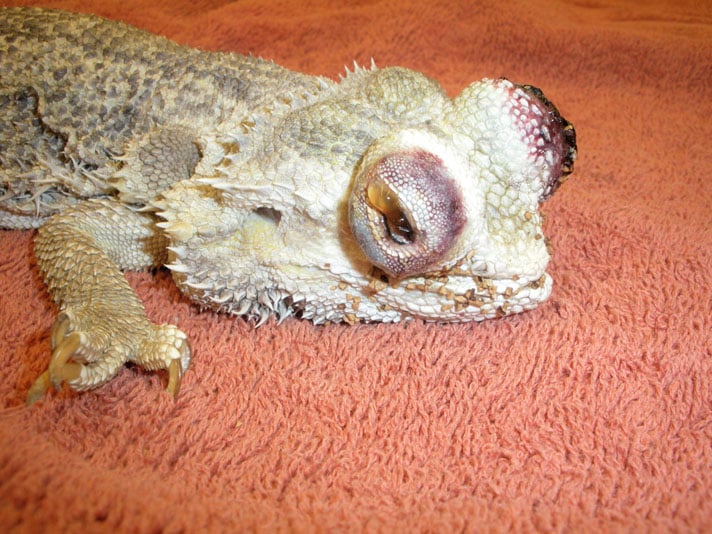
Treatment and home care for reptile sunken eyes
Treating reptile sunken eyes targets the cause and supports recovery. Start with husbandry fixes and supportive care immediately. Offer clean, fresh water and a shallow soaking bowl at appropriate temperatures for 10–20 minutes daily. Raise humidity gently for species that need it to help rehydrate skin and eyes. Provide electrolytes or oral rehydration solutions only under vet guidance. For moderate to severe cases, a vet may give subcutaneous fluids, antibiotics for infection, or antiparasitic medication.
Practical steps to follow
- Offer a shallow water dish that the reptile can easily access.
- Provide daily warm soaks for 10–20 minutes if the species tolerates it.
- Correct temperature and humidity to species needs right away.
- Monitor weight and appetite daily to track progress.
- Seek veterinary fluids or medications when home measures don’t help within 24–48 hours.
From my experience, early soaking and humidity fixes can resolve mild dehydration quickly. Once, a bearded dragon with mildly sunken eyes recovered in three days after corrected humidity and two warm soaks. Waiting made a similar case require vet fluids.

Prevention and husbandry to avoid reptile sunken eyes
Prevention is the best strategy for avoiding reptile sunken eyes. Good husbandry keeps your reptile hydrated and healthy. Maintain species-specific temperatures and UV lighting. Ensure constant access to clean water and a humidity gradient suitable for the species. Offer appropriate diets that include moisture-rich foods when relevant. Schedule routine fecal checks and annual vet exams to catch parasites and slow illnesses early.
Checklist for prevention
- Maintain correct ambient temperature and thermal gradient.
- Provide species-appropriate humidity and a moist hide when needed.
- Keep a clean, accessible water bowl at all times.
- Feed a balanced diet that includes moisture-rich items where appropriate.
- Monitor weight and behavior weekly for early signs of trouble.

Frequently Asked Questions of reptile sunken eyes
What are the first things I should do if my reptile has sunken eyes?
Offer clean water and a warm soak, check enclosure temperature and humidity, and observe appetite. If symptoms persist over 24–48 hours or the reptile is weak, contact a vet.
Can sunken eyes in reptiles be a sign of old age?
Sometimes older reptiles show mild eye recession as part of age-related muscle and fat loss, but any new change should be checked to rule out disease.
Are there species that are more prone to sunken eyes?
Desert species are more vulnerable to dehydration, while tropical species may suffer sunken eyes from improper enclosure humidity or chronic infections.
How do vets rehydrate reptiles with sunken eyes?
Vets commonly use subcutaneous fluids for mild to moderate dehydration and IV fluids in critical cases, combined with treatments for any underlying illness.
Can parasite infections cause reptile sunken eyes?
Yes. Heavy parasite loads can reduce nutrient absorption and cause dehydration, leading to visible eye recession.
Conclusion
Reptile sunken eyes are a visible sign that something is off. Most often the cause is dehydration or husbandry issues, but infections, parasites, and organ disease can also produce the same sign. Act quickly: correct environmental problems, offer fluids and soaks, and seek veterinary care if the condition does not improve within 24–48 hours. With attentive care and good habitat practices, many cases of reptile sunken eyes resolve well. If you found this guide helpful, try improving your pet’s setup, track changes closely, and share your experience or questions below.
