
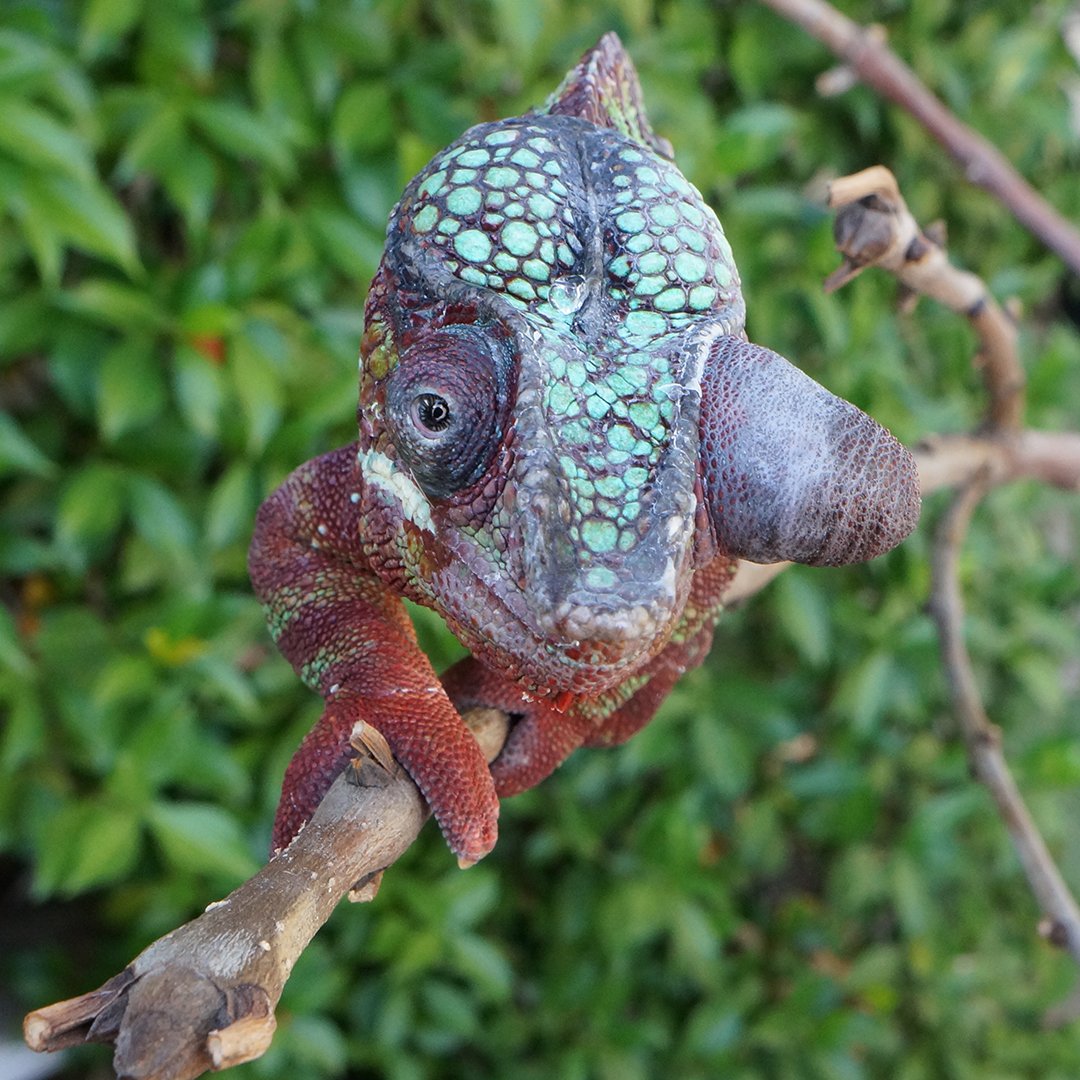
Reptile eye swelling usually means infection, retained shed, or injury and needs prompt care.
I have worked with reptiles for years and seen many cases of reptile eye swelling. This guide breaks down causes, signs, diagnosis, treatment, and prevention in plain language. You will learn how to spot trouble fast, what a vet will check, and which home steps help. My advice mixes hands-on experience, clinical knowledge, and easy tips so you can help your reptile with confidence.

What is reptile eye swelling?
Reptile eye swelling is puffiness or bulging around the eye or eyelids. It can affect one eye or both eyes. The swelling may be soft, firm, watery, or filled with pus. It can change how the reptile blinks or sees.
Causes range from mild to serious. Common causes include infection, blocked tear ducts, retained skin from shedding, injury, and systemic disease. Understanding the cause matters because treatment differs for each problem.
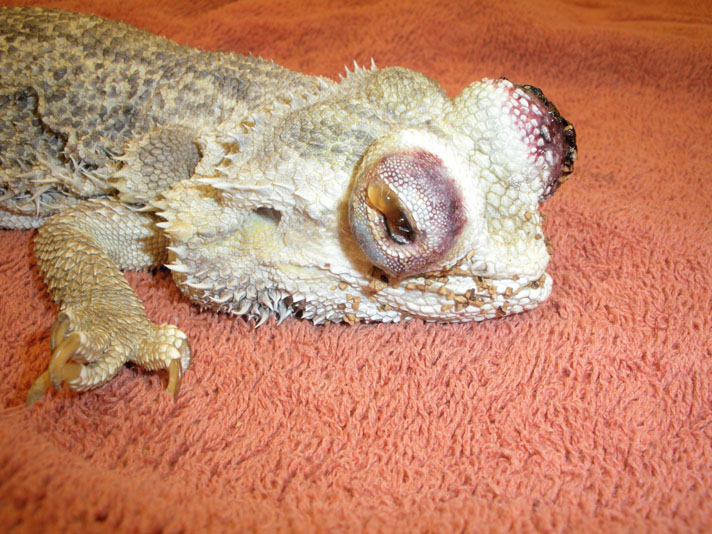
Common causes of reptile eye swelling
Many things can cause reptile eye swelling. Here are the main ones and what to look for.
- Infection
- Bacterial, viral, or fungal infections can produce pus, redness, and pain.
- Infections often follow injury or poor husbandry.
- Retained shed (dysecdysis)
- Old skin stuck to the eye can trap fluid and irritate the surface.
- This is common in snakes and lizards during poor humidity.
- Trauma and foreign bodies
- Scratches, bites, or plant material can cause swelling and bleeding.
- Watch for sudden onset after enclosure changes or fights.
- Conjunctivitis (pink eye)
- Inflammation of the eye lining gives redness, discharge, and swelling.
- It can be infectious or irritant-based.
- Metabolic or systemic disease
- Kidney disease, vitamin A deficiency, or parasites can cause eye problems.
- Both eyes are often affected with systemic issues.
- Tumors or growths
- Less common, but growths can push on the eye and cause swelling.
I once treated a gecko with swelling from retained shed. Gentle warm soaks and better humidity cleared the skin and the eye healed in days. That taught me to check humidity first.
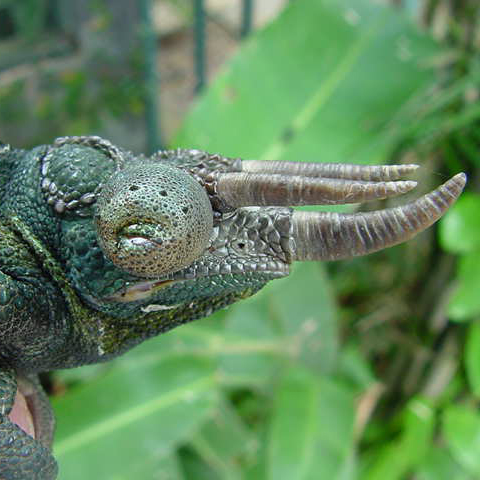
Signs and symptoms to watch for
Recognizing signs early makes treatment easier. Look for:
- Visible swelling or bulging around one or both eyes.
- Cloudy, red, or watery eye surface.
- Yellow, green, or thick discharge.
- Frequent blinking or inability to fully close the eye.
- Rubbing the eye on enclosure furniture.
- Loss of appetite or hiding, which can signal pain.
If the reptile stops opening an eye or you see pus, act quickly. Mild irritation may improve with simple care. Severe signs need a vet.

Diagnosis: what a vet will check
A proper diagnosis guides safe treatment. A reptile vet will:
- Take a detailed history of husbandry, shed cycles, and recent changes.
- Physically examine the eye and nearby skin.
- Use fluorescein staining to check corneal damage.
- Swab the eye for cultures to find bacteria or fungi.
- Run blood tests to check organ function and systemic disease.
- Perform imaging like X-rays if trauma or deep problems are suspected.
Accurate diagnosis matters. Treating with the wrong medicine can delay healing. In my experience, a culture often reveals resistant bacteria. That changed the treatment and saved the eye.
Treatment options for reptile eye swelling
Treatment depends on the cause. Common approaches include:
- Improving husbandry
- Raise humidity for shedding issues.
- Clean the enclosure and water dish daily.
- Gentle cleaning
- Use warm saline to flush the eye twice daily.
- Avoid alcohol or harsh antiseptics.
- Topical medications
- Veterinarians may prescribe antibiotic or antifungal eye drops.
- Drops are often more effective than ointments for reptile eyes.
- Systemic medications
- Oral or injected antibiotics may be needed for deep or systemic infections.
- Anti-inflammatories can reduce swelling and pain.
- Surgical care
- Surgery may be needed to remove retained shed, growths, or severe abscesses.
- Supportive care
- Fluid therapy and nutritional support help sick reptiles recover.
Always follow a vet’s directions for doses and duration. Incomplete treatment can cause recurrence.

Home care and prevention tips
Good daily care lowers the chance of eye problems. Try these steps:
- Maintain proper humidity levels for your species.
- Provide a clean water dish large enough for soaking.
- Keep the enclosure clean and free of sharp objects.
- Offer a balanced diet with proper vitamins and calcium.
- Monitor shed cycles and assist gently if shed sticks.
- Quarantine new animals to prevent infectious spread.
- Observe eyes daily for early signs.
If you treat at home, keep notes. Track appearance, treatments, and appetite. That record helps your vet if the problem persists.

My hands-on experience and practical lessons
I have cared for many snakes and lizards with eye issues. These real lessons helped shape practical advice:
- Never force shed off the eye. Soak the animal and allow soft removal.
- Quick cleaning with saline often reduces swelling within 48 hours if the cause is mild.
- Do not give over-the-counter human eye drops without a vet ok. Some ingredients harm reptiles.
- Early vet visits prevent vision loss. Delaying care can mean surgery or permanent damage.
One green iguana had chronic eye swelling from low vitamin A. With diet change and veterinary treatment, the swelling resolved. That case taught me to check diet as a first step.

PAA-style quick questions
What causes sudden eye swelling in snakes?
Sudden swelling is often trauma, foreign bodies, or acute infection. A vet exam is recommended for sudden changes.
How long before an eye infection is serious?
If swelling, discharge, or pain lasts more than 48 hours, or if vision changes occur, see a vet right away. Early treatment prevents complications.
Can retained shed cause blindness?
Yes. If shed stays on the eye, it can damage the cornea and cause vision loss. Prompt, gentle removal and vet care can save the eye.
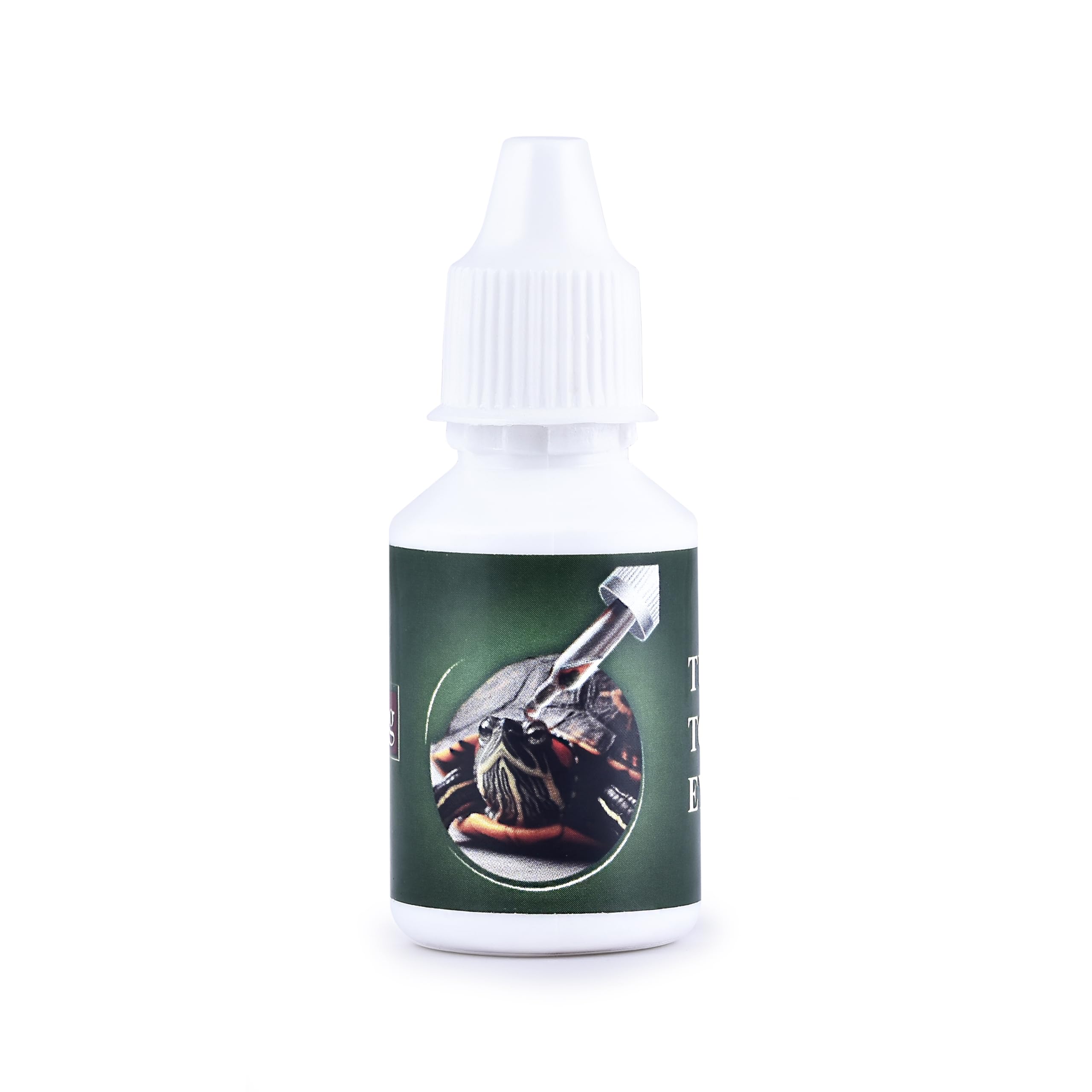
Frequently Asked Questions of reptile eye swelling
What immediate steps should I take if my reptile’s eye is swollen?
Gently flush the eye with warm saline and isolate the animal. Keep humidity steady and call a reptile vet for guidance.
Can poor humidity alone cause reptile eye swelling?
Yes, low humidity can cause retained shed and irritation that leads to swelling. Fixing humidity often resolves mild cases quickly.
Are over-the-counter human eye drops safe for reptiles?
No, many human drops have preservatives or ingredients harmful to reptiles. Use only vet-prescribed eye meds.
How long does treatment for reptile eye swelling usually take?
Treatment length varies by cause. Minor cases may clear in a few days, while infections can take several weeks with proper care.
When is surgery necessary for reptile eye swelling?
Surgery is needed for deep abscesses, large growths, or stubborn retained shed that cannot be removed safely. A vet will advise when it is required.
When to seek emergency care
Seek emergency vet care if you see any of these signs:
- Severe swelling that worsens quickly.
- Thick, colored discharge or pus.
- The reptile cannot open or close the eye.
- Sudden blindness or dramatic behavior change.
- A wound near the eye that bleeds or exposes tissue.
Prompt care saves vision and reduces the chance of lasting damage.
Conclusion
Reptile eye swelling is common but treatable when spotted early. Check habitat, humidity, diet, and behavior first. Clean gently and contact a reptile-savvy vet if swelling, discharge, or vision changes occur. Act quickly and keep clear records of what you tried. Your careful attention can protect your pet’s sight and health. If this guide helped, consider subscribing for more reptile care tips or leave a comment sharing your experience.
