
Dog place training is one of the most useful skills for modern dog owners in the United States. It gives your dog a clear job and creates a calm habit during busy moments like family visits, meal times, or when guests arrive.
From my experience studying obedience methods, the best results come from making the place command simple and rewarding. Dogs learn faster when they understand exactly what behavior earns praise, treats, or play.

What Is Dog Place Training and Why Does It Matter?
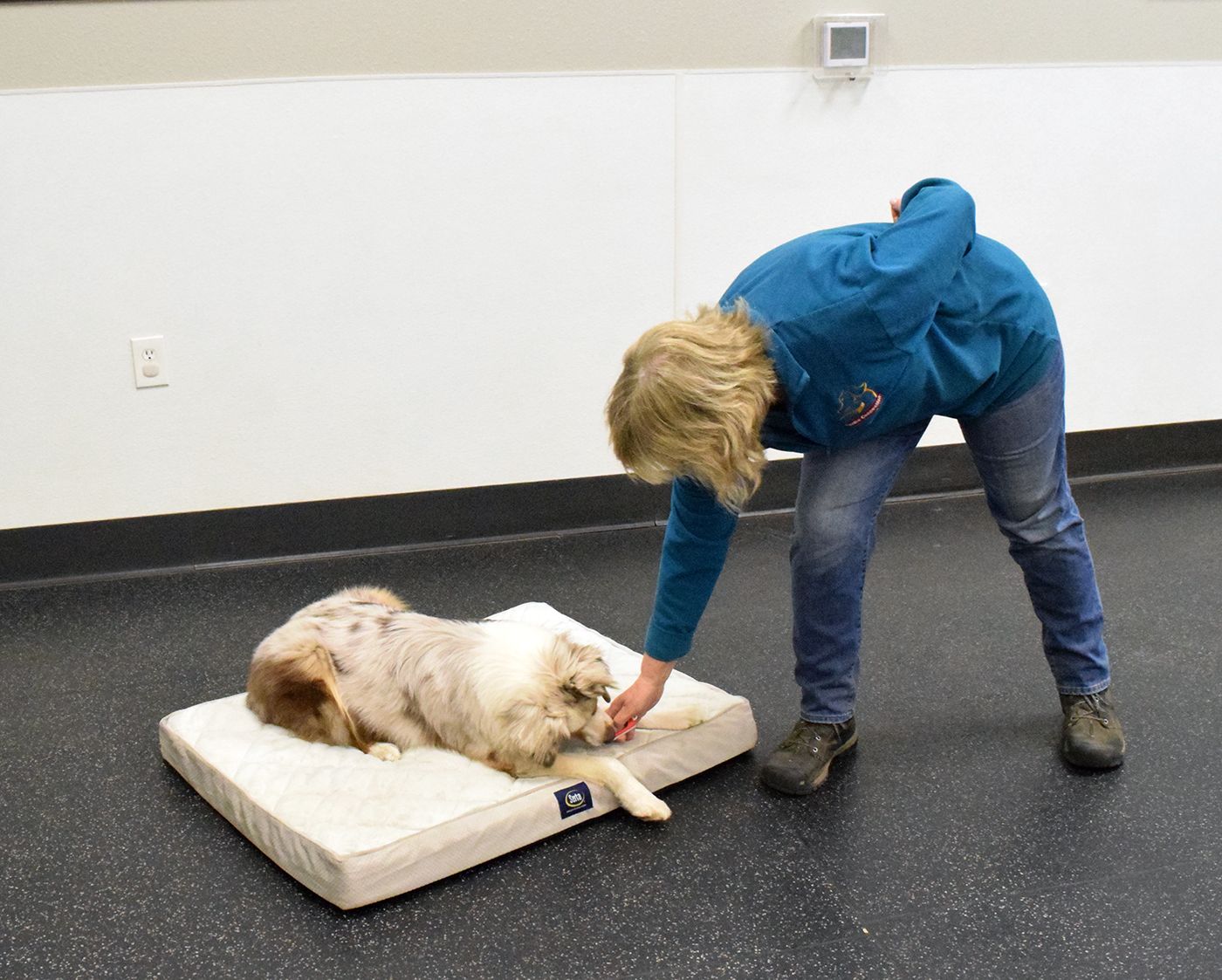
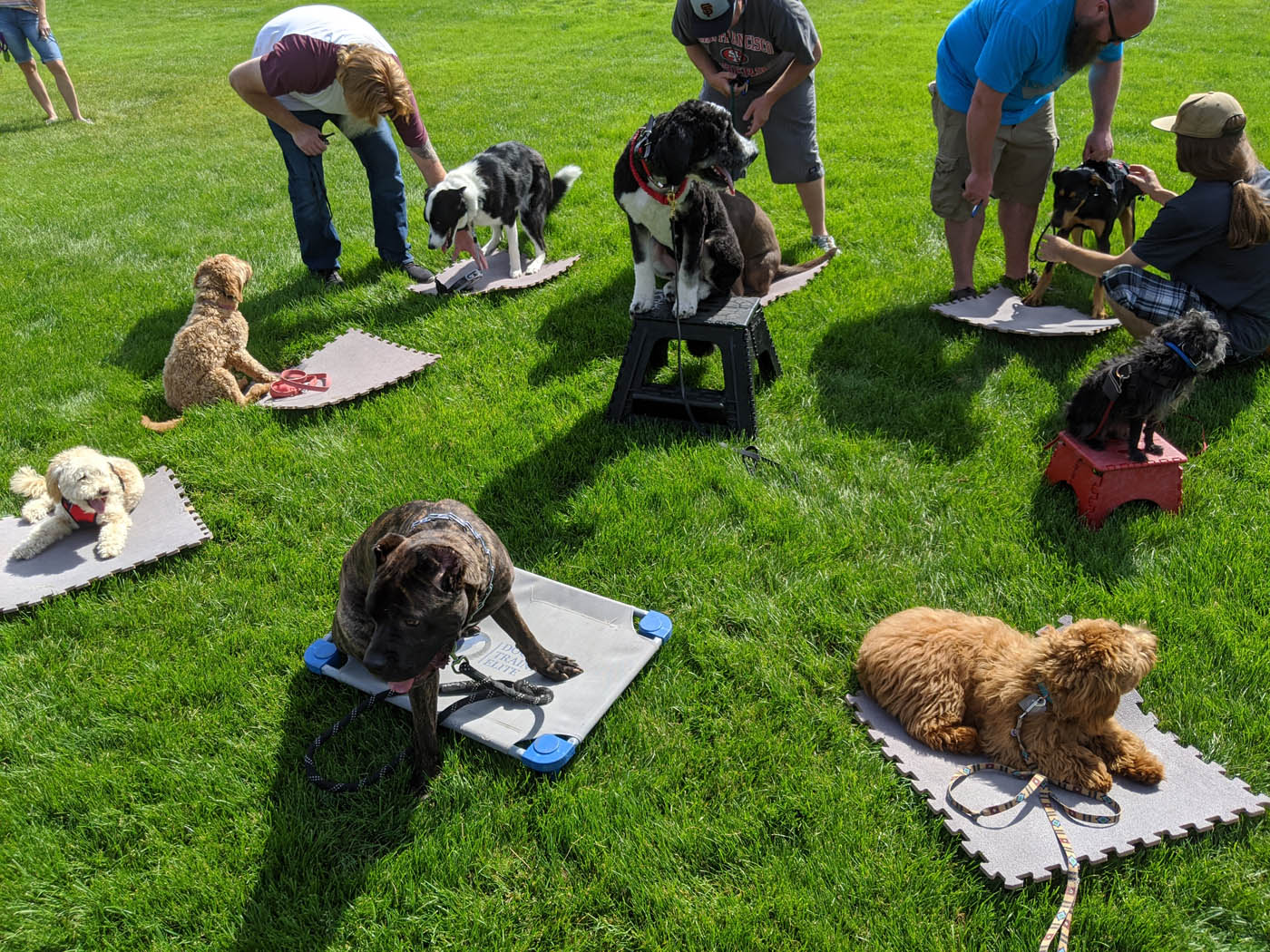
Dog place training teaches a dog to move to a chosen location and remain there until a release word is given. The location can be a mat, bed, blanket, or raised platform.
Unlike a simple sit or down command, the place command builds patience and self-control. It helps dogs learn that calm behavior is valuable even when distractions are nearby.
- ✦ Better home manners
A trained dog can relax instead of jumping on guests, chasing movement, or creating chaos during daily routines.
- ✦ Improved focus
The exercise teaches dogs to listen and stay connected with their owner.
How the Place Command Works
The owner chooses a specific area and teaches the dog that going there brings rewards. Over time, the dog learns to stay until a release cue ends the exercise.
- ✦ Clear location
Use one consistent spot so your dog understands the command.
Benefits of Dog Place Training for Everyday Life
Dog place training is useful far beyond obedience classes. Many American households use this skill to create peaceful routines with children, visitors, and other pets.
A reliable place command can also support dogs that become overly excited. It gives them a predictable activity when they feel distracted or energetic.

- ✦ Controls excitement
Dogs learn to pause and relax instead of reacting immediately to sounds, people, or movement.
- ✦ Creates independence
Dogs learn that being calm alone is a normal and rewarding behavior.
- ✦ Supports safety
The command can keep dogs away from open doors, cooking areas, or stressful situations.
How to Start Dog Place Training Step by Step
Start Dog place training in a quiet room with few distractions. Use a comfortable mat or bed and keep sessions short, around a few minutes at a time.
Reward small successes first. Your dog does not need to stay for a long time at the beginning. Building confidence is more important than demanding perfect behavior.

- ✦ Step 1: Choose a place
Pick a mat or bed that your dog can easily recognize.
- ✦ Step 2: Add the command
Say place as your dog moves onto the spot, then reward immediately.
- ✦ Step 3: Increase time
Slowly extend the stay duration before giving the release word.
Using Rewards Correctly
Timing matters in Dog place training. Give rewards while your dog is still calm on the spot so the dog understands what behavior you want.
- ✦ Reward calm behavior
Avoid rewarding jumping or leaving the place early.
Common Dog Place Training Mistakes to Avoid
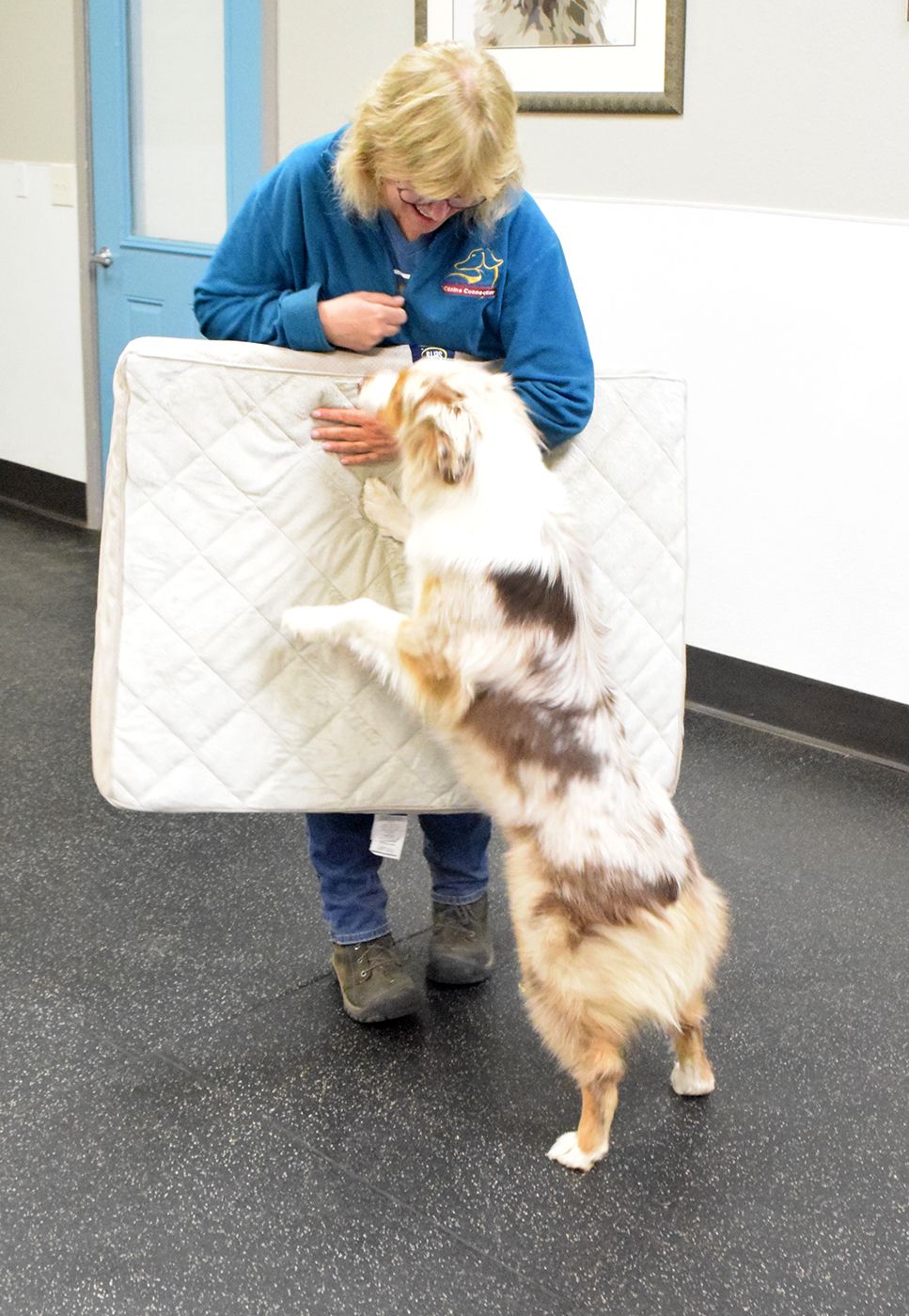
Many owners rush Dog place training by adding distractions too soon. A dog must first understand the behavior in a quiet environment before practicing around challenges.
Another common mistake is using the command without following through. Consistency helps your dog understand that the place command has a clear meaning every time.
- ✦ Making sessions too long
Short sessions help dogs stay interested and prevent frustration.
- ✦ Changing rules
Everyone in the home should use the same command and release word.
Advanced Dog Place Training for Real World Distractions
Once your dog understands the basic place command, slowly introduce distractions. Practice with family members walking around, door sounds, or mild outdoor activity.
Advanced Dog place training should always protect your dog’s confidence. Increase difficulty step by step instead of forcing long stays in stressful environments.
- ✦ Increase distance
Walk farther away while your dog remains on the place spot.
- ✦ Add distractions
Practice around normal household activities.
Using Place Training With Puppies
Puppies can learn the place command early. Keep expectations realistic and focus on building attention, patience, and positive habits.
- ✦ Keep it fun
Young dogs learn best through rewards and repetition.
