
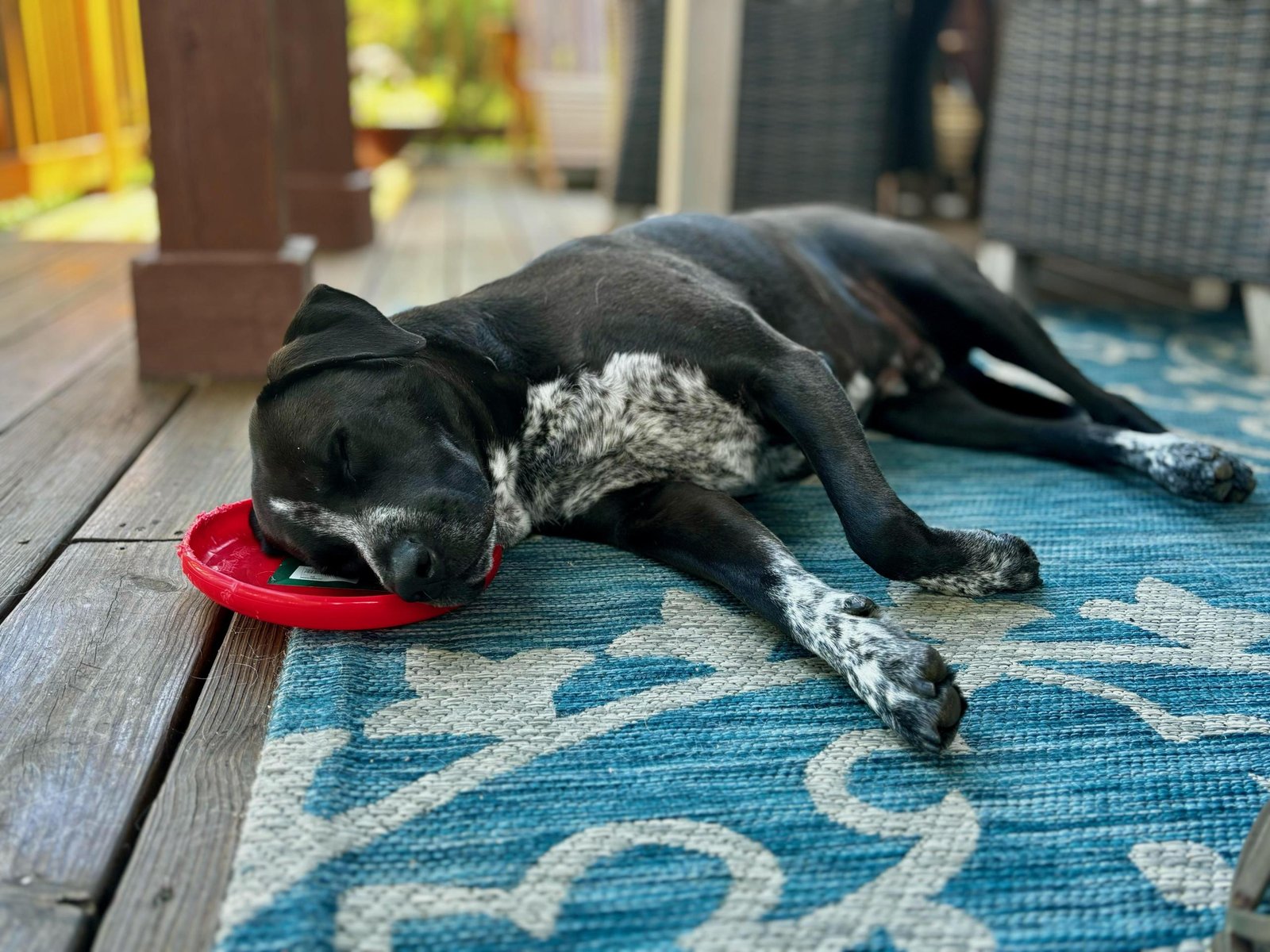
Most dogs need 12 to 16 hours of rest and sleep each day.
Understanding dog rest requirements helps owners create a healthier daily routine. Dogs do not only rest after exercise. Rest supports muscle repair, brain function, emotional balance, and overall wellness.
From my experience studying canine care routines, many owners focus heavily on walks and play but forget recovery time. A balanced schedule with activity and proper rest often leads to a calmer and happier dog.
Dog rest requirements are not the same for every dog. A young puppy, senior dog, working dog, and family pet may all need different amounts of downtime based on their needs.

How much rest do dogs need each day?
Dog rest requirements depend on age, health, breed traits, and daily activity. Many adult dogs sleep around 12 to 14 hours daily, while puppies and older dogs often need more rest.
Dogs naturally follow a cycle of short activity periods followed by rest. Unlike humans, many dogs take several naps during the day instead of sleeping only at night.
A dog that receives enough rest usually shows stable energy, good focus, and relaxed behavior.
- ✦ Puppies
Puppies may need 18 to 20 hours of sleep because their bodies and brains are developing quickly.
- ✦ Adult dogs
Healthy adult dogs often need around 12 to 16 hours of combined sleep and rest.
- ✦ Senior dogs
Older dogs may need extra rest because aging bodies recover more slowly.
Why sleep is important for dogs
Sleep helps dogs process learning, recover after movement, and maintain healthy body functions. Rest also helps reduce stress after busy days.
Dogs that miss proper rest may become tired, less interested in training, or more sensitive to changes around them.
- ✦ Physical recovery
Rest allows muscles and joints to recover after exercise and daily movement.
Factors that affect dog rest requirements
Every dog has different dog rest requirements. A small apartment dog and an active working breed may need different schedules even if they are the same age.
Owners should watch their dog’s behavior instead of following a strict number alone. Changes in energy, mood, and movement can show whether rest needs are being met.

- ✦ Age
Young and senior dogs usually need more rest than healthy adult dogs.
- ✦ Breed
High-energy breeds may need more recovery after intense activity.
- ✦ Health condition
Illness, injury, or surgery can increase a dog’s need for quiet recovery time.
Exercise and rest balance
Exercise is important, but too much activity without enough rest can create stress on the body. Dogs need recovery periods after walks, training, and play.
A good routine combines physical activity, mental enrichment, meals, and rest periods.
- ✦ Balanced routine
Alternate active periods with calm periods to support healthy energy levels.
Creating the right resting environment for your dog
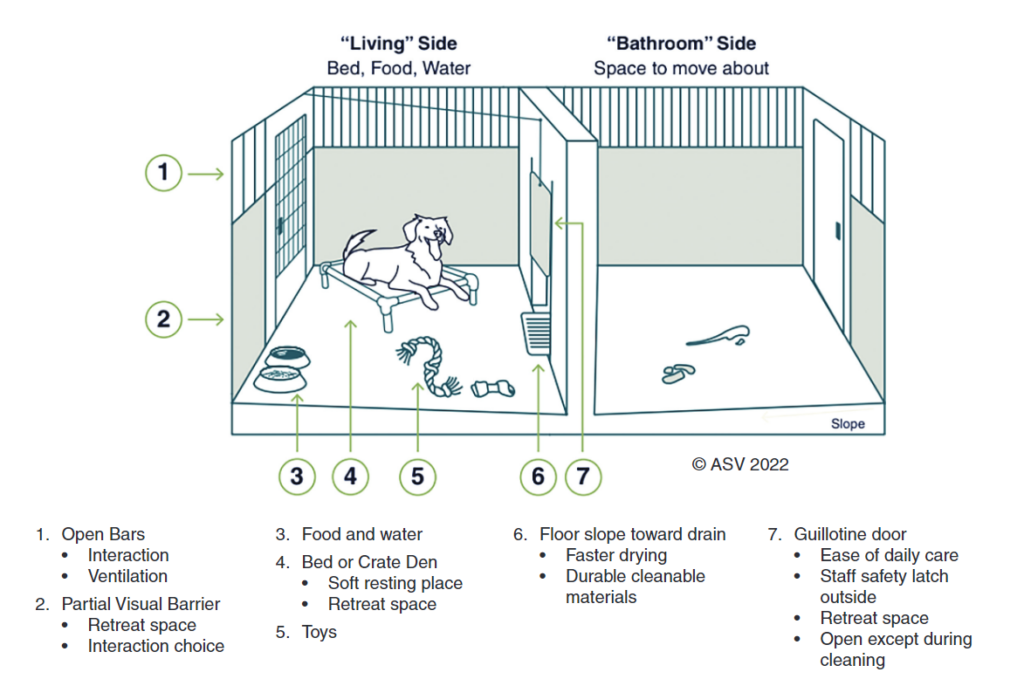
A comfortable resting space is a major part of meeting dog rest requirements. Dogs need a place where they feel safe and can relax without constant interruption.
The ideal rest area should match your dog’s size and habits. Some dogs prefer open beds, while others enjoy crates or quiet corners.
- ✦ Comfortable bedding
Use supportive bedding that helps your dog relax and protects joints.
- ✦ Low disturbance area
Choose a calm location away from loud traffic and constant activity.
- ✦ Safe temperature
Keep the resting area comfortable during both hot and cold weather.
Crate rest and quiet spaces
A crate can become a positive resting place when introduced correctly. It should never be used as punishment.
Many dogs enjoy having a personal area where they can sleep and recover after activity.
- ✦ Positive association
Reward calm behavior around the crate to build comfort.
Signs your dog may not be getting enough rest
Recognizing poor rest is an important part of managing dog rest requirements. Dogs cannot explain when they feel tired, so owners must notice behavior changes.
A lack of rest can affect mood, training ability, and physical comfort. Some dogs become restless, while others become unusually quiet.

- ✦ Increased irritability
A tired dog may react more strongly to normal situations.
- ✦ Reduced focus
Dogs may struggle with training or responding to commands.
- ✦ Excessive sleeping changes
Sudden changes in sleep patterns may require attention.
When to contact a veterinarian
If your dog’s rest habits suddenly change, it may signal pain, illness, or stress. A veterinarian can help identify the cause.
Healthy dog rest requirements should be consistent with your dog’s normal behavior and physical condition.
- ✦ Watch for sudden changes
Unexpected sleep changes, discomfort, or weakness should be checked.
Rest requirements after exercise, training, and activity
Active dogs need recovery time after physical or mental challenges. Rest allows the body to rebuild energy and prevents constant stress.
Training sessions can be tiring because dogs use focus and problem-solving skills. Quiet time after training helps them process new information.
- ✦ After long walks
Provide water and a calm resting period after extended activity.
- ✦ After play sessions
Allow dogs to relax instead of immediately starting another activity.
- ✦ After surgery or injury
Follow veterinary instructions for controlled recovery and restricted movement.
Supporting recovery for active dogs
Working dogs and athletic dogs often have higher recovery needs. Their routines should include planned rest days and lower-intensity activities.
Meeting dog rest requirements helps active dogs maintain performance and reduces unnecessary strain.
- ✦ Recovery planning
Schedule rest periods as carefully as exercise sessions.
How to build a healthy daily rest routine
A predictable routine helps dogs understand when it is time to play and when it is time to relax. Consistency is one of the easiest ways to support dog rest requirements.
American households often have busy schedules, but even small changes can create better rest habits for dogs.

- ✦ Set regular quiet times
Create daily periods where your dog can rest without interruption.
- ✦ Avoid constant stimulation
Dogs need breaks from toys, visitors, and activities.
- ✦ Observe individual needs
Adjust routines based on your dog’s age, health, and energy.
